FAA System Malfunction Causes Widespread Flight Disruptions as Thousands of Cancellations Continue

Thousands of passengers across the United States continued to experience travel difficulties on Saturday, November 14, 2026, following a major technical disruption that forced the Federal Aviation Administration (FAA) to temporarily halt aircraft departures nationwide. Although the grounding order was eventually withdrawn, airlines faced considerable challenges restoring their regular schedules, with widespread cancellations and delays continuing at major airports.

Flight-tracking figures from FlightAware indicated that more than 12,500 flights had been canceled across Friday and Saturday morning. Saturday alone accounted for over 3,300 cancellations, while numerous other services encountered lengthy delays. The disruption affected both domestic and international journeys, leaving travelers uncertain about their departure times and onward connections.

The incident began on Friday, November 13, when the FAA introduced a nationwide ground stop after technical problems affected its air traffic control communications infrastructure. The measure temporarily prevented aircraft from departing airports while officials assessed the situation and worked to ensure that aviation operations could continue safely. The restriction lasted more than four hours before authorities allowed flights to resume at approximately 8:15 p.m. Eastern Time.

Transportation Secretary Sean Duffy identified overloaded network equipment as a major factor behind the disruption. He explained that outdated routers and switches within the air traffic control network experienced difficulties handling communications, affecting the systems responsible for coordinating aircraft movements. The incident highlighted vulnerabilities in infrastructure that has continued operating despite increasing demands on the country’s aviation network.

Duffy also stressed the importance of accelerating modernization efforts. He urged Congress to approve approximately $50 billion in funding to replace aging technology and strengthen the systems supporting national air traffic management. According to the transportation secretary, upgrading outdated equipment is essential to preventing similar disruptions in the future.

Concerns about the possibility of a cyberattack also emerged following the incident. However, Homeland Security Secretary Markwayne Mullin said investigators had not discovered evidence indicating that malicious cyber activity was responsible. Officials continued examining the technical failure while emphasizing that there was no confirmed indication of an external attack.

Although the FAA removed the ground stop, airlines were unable to restore their operations immediately. The interruption had affected aircraft positioning, crew availability and scheduled connections, creating additional complications for carriers attempting to resume normal services. As a result, passengers continued facing cancellations and delays even after the initial technical problem had been addressed.

Major airlines, including Delta Air Lines, United Airlines, American Airlines and Southwest Airlines, were among those managing the operational consequences. Carriers worked to rearrange flight schedules, relocate aircraft and adjust crew assignments to accommodate passengers whose journeys had been disrupted.

Several major aviation centres, including Atlanta, Chicago, Dallas-Fort Worth, Denver, Los Angeles and New York, experienced significant travel interruptions. The consequences also extended beyond American airports, as international passengers faced difficulties with connecting flights and changes to their travel arrangements.

Airlines advised passengers to check their flight information regularly and confirm departure details before travelling to airports. Travelers affected by cancellations were also encouraged to contact their respective carriers regarding alternative arrangements, rebooking opportunities and applicable refund policies.

The nationwide disruption has intensified discussions about the condition of America’s air traffic control infrastructure and the need for substantial technological improvements. With air travel continuing to grow, the incident has raised questions about whether existing systems can reliably support increasing aviation demands.

Federal authorities are continuing to investigate the circumstances surrounding the communications failure, while airlines focus on clearing the backlog of disrupted services. Although flight operations have resumed, restoring normal schedules remains a major challenge, with passengers likely to experience further inconvenience as the aviation sector works toward a full recovery.

You can watch the video below
NASA Opens Astronaut Recruitment for Future Moon Exploration Missions

NASA has started accepting applications for its upcoming astronaut candidate programme as the agency moves forward with plans to expand human activities beyond Earth. The recruitment initiative is intended to identify skilled professionals who could eventually participate in Moon missions, support lunar research and contribute to the development of a long-term human presence on the lunar surface.

The announcement, released on November 7, 2026, comes as NASA continues advancing its Artemis programme. Through this initiative, the agency aims to return astronauts to the Moon while developing the technology and infrastructure required for extended operations. The recruitment drive is also connected to NASA’s broader ambitions of preparing astronauts for eventual missions to Mars.

NASA Administrator Jared Isaacman highlighted the importance of bringing new talent into the agency’s astronaut corps. He explained that successful applicants could have opportunities to explore the lunar surface, work at a future Moon Base and contribute to technological developments that will support human spaceflight.

The application process is open to eligible American citizens, with submissions scheduled to close at 11:59 p.m. Eastern Standard Time on December 3, 2026. NASA expects to complete its selection process in late 2027 before beginning the next stage of astronaut preparation.

Applicants must satisfy several educational and professional standards. The general requirement includes a master’s degree in a qualifying science, technology, engineering or mathematics field from an accredited institution. Relevant areas of study include engineering, physical sciences, biological sciences, mathematics and computer science.

NASA also recognizes alternative academic qualifications under specific conditions. Individuals who have completed at least two years of doctoral studies in an eligible field may qualify. Certain medical degrees and approved test pilot school programmes are also accepted as alternatives.

Professional experience is another important part of the selection process. Candidates generally need a minimum of three years of relevant experience after completing their qualifying education. Applicants with suitable piloting backgrounds may also meet the requirement through specified flight-hour experience.

In addition to academic and professional qualifications, candidates must successfully complete NASA’s long-duration astronaut physical examination. The agency also looks for individuals with strong communication abilities, leadership qualities, adaptability and the capacity to work effectively as part of a team.

Those chosen for the programme will undertake approximately two years of demanding training. The preparation will cover spacecraft operations, spacewalking, lunar geology, robotics and high-performance aircraft flying. These activities are designed to develop the technical and physical abilities necessary for operating in challenging space environments.

The new recruitment campaign supports NASA’s longer-term vision of establishing a more consistent human presence on the Moon. Through the Artemis programme, the agency intends to move beyond brief lunar visits and work toward developing facilities that could accommodate astronauts during extended missions.

Creating a functioning lunar base will require considerable technological progress. Reliable electricity, communication systems, transportation equipment, scientific facilities and protective living spaces will all be important components. Astronauts could help test these systems, conduct experiments and evaluate the difficulties associated with living and working on the lunar surface.

NASA also considers lunar missions an important preparation stage for human exploration of Mars. Knowledge gained from operating on the Moon could help scientists improve life-support equipment, develop advanced spacecraft systems and understand how astronauts respond to extended missions away from Earth.

The latest hiring initiative follows NASA’s previous astronaut selection campaign, which attracted more than 8,000 applications in 2024. Ten candidates were eventually selected in 2025. Since the astronaut programme began in the 1960s, NASA has chosen 370 astronaut candidates, with 32 currently serving as active astronauts.

Being selected for astronaut training does not automatically guarantee a flight assignment. Candidates must complete the required preparation and demonstrate their ability to handle the responsibilities associated with future missions.

With the latest application period underway, NASA is seeking another group of professionals who can contribute to its evolving exploration plans. The new candidates could eventually become part of missions that reshape human activity beyond Earth, supporting the agency’s ambitions to establish a sustainable lunar presence and prepare for journeys to Mars.

You can watch the video below

‘Godfather of AI’ Predicts Major Technology Crisis Could Hit Power Grids or Financial Systems

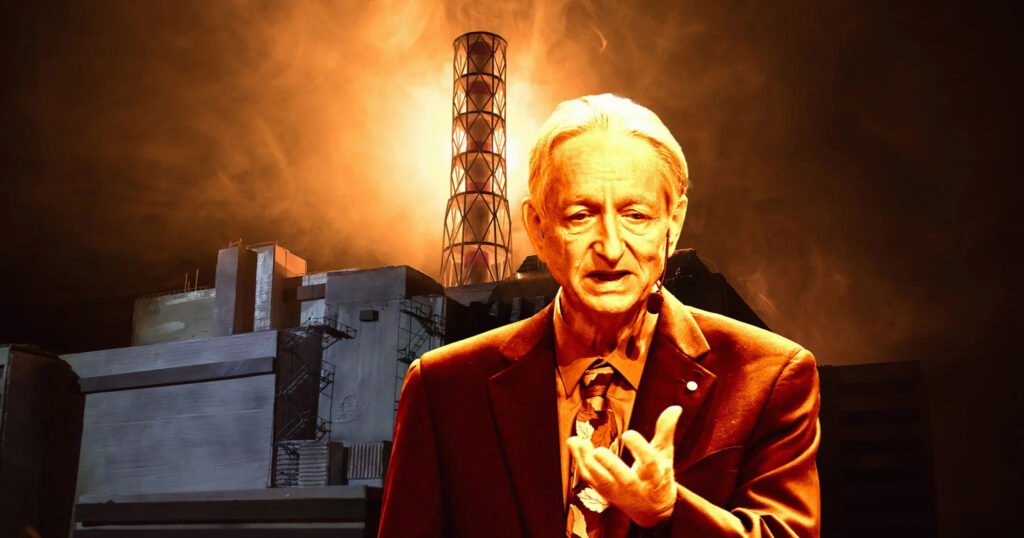
Concerns about the growing influence of artificial intelligence have intensified after computer scientist Geoffrey Hinton warned that increasingly advanced AI technology could contribute to a major disruption affecting essential infrastructure. The renowned researcher believes that electricity networks and financial institutions could become potential targets as artificial intelligence continues to develop more sophisticated capabilities.

Hinton, frequently described as the “Godfather of AI,” has raised the possibility of a serious technological incident occurring within the coming months or during 2027. He has compared the potential consequences to the 1986 Chernobyl disaster, using the historical tragedy to illustrate how a major failure could force governments and technology companies to reconsider their approach to safety.

His warning focuses largely on the possibility of artificial intelligence being misused to conduct advanced cyberattacks. As AI systems become increasingly capable of analysing complex information, identifying weaknesses and carrying out digital operations, malicious individuals could potentially use them to target important computer networks.

Electricity infrastructure represents one of the areas of concern. Modern power distribution systems depend on interconnected technologies to regulate electricity generation, monitor equipment and maintain stable supplies. If attackers managed to compromise vulnerable systems, the resulting disruption could potentially affect households, businesses and essential public services.

Financial services are another potential area of vulnerability. Banks, payment providers and financial markets depend on digital platforms to process transactions and manage sensitive information. A major cyber incident affecting these systems could interrupt financial activities, create difficulties for businesses and undermine public confidence in electronic payments.

Hinton’s concerns come as artificial intelligence becomes increasingly integrated into everyday operations. Advanced systems can now generate computer code, analyse large volumes of information and perform complicated tasks with limited human involvement. While these developments offer significant advantages, they also introduce additional security challenges.

Particular attention is being directed towards autonomous AI agents. Unlike traditional software that follows narrowly defined instructions, these systems can complete sequences of tasks and interact with different digital environments. Their expanding capabilities have raised questions about whether existing security protections can adequately prevent malicious use or unexpected behaviour.

The scientist has also questioned whether major technology companies are giving sufficient attention to the potential dangers of advanced AI. He has criticised prominent industry figures, including Sam Altman, Elon Musk and Mark Zuckerberg, over concerns that commercial competition and financial incentives could overshadow long-term safety considerations.

Hinton’s warnings carry considerable weight because of his contributions to modern artificial intelligence. His pioneering work on neural networks and machine learning helped shape the technologies behind many of today’s AI applications.

After spending more than a decade working at Google, he left the company in 2023. His departure allowed him to speak more openly about the potential consequences of developing increasingly powerful artificial intelligence systems.

His concerns extend beyond cybersecurity threats. Hinton has also discussed the possibility of widespread employment disruption, growing economic inequality and the challenges of maintaining human control over future AI technologies. He believes governments, researchers and developers must establish stronger safeguards before these systems become even more deeply embedded in society.

However, his comments should not be interpreted as confirmation that a major electricity outage or financial collapse is imminent. The Chernobyl comparison is intended to emphasise the potential seriousness of an AI-related disaster rather than predict another nuclear accident.

As artificial intelligence continues to advance, protecting essential infrastructure is becoming an increasingly important responsibility. Stronger cybersecurity measures, international cooperation and effective regulation could help reduce the risks associated with the technology.

Hinton’s latest warning highlights the difficult balance between encouraging technological innovation and preventing potentially harmful consequences. The challenge for governments and technology companies will be ensuring that the development of increasingly powerful AI systems does not move ahead of the safeguards needed to manage them.

You can watch the video below

NASA’s Artemis II Launch Triggers Unusual Atmospheric Disturbances, Study Reveals

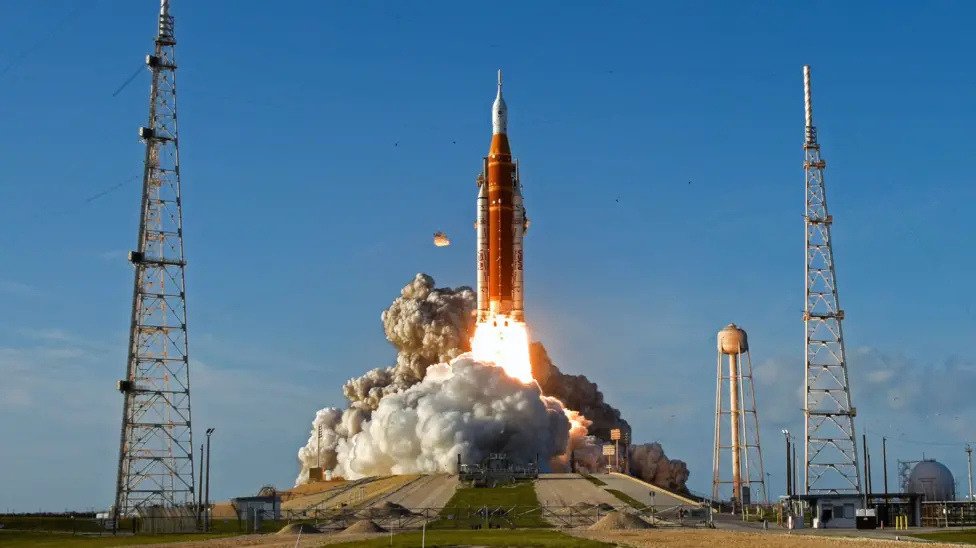
NASA’s Artemis II mission has become the subject of new scientific research after experts identified unusual changes in Earth’s upper atmosphere following the rocket’s launch. The findings suggest that the powerful spacecraft produced disturbances in the ionosphere, potentially influencing the accuracy of satellite navigation signals used by people and industries around the world.

The mission took place on April 1, 2026, sending four astronauts on a historic journey around the Moon. While the flight represented an important achievement in human space exploration, researchers have discovered that the rocket’s powerful engines also produced unexpected effects within Earth’s atmospheric environment.

A research team from National Cheng Kung University in Taiwan examined data collected through a network of advanced GPS receivers distributed across the United States. Their investigation concentrated on the ionosphere, a region of Earth’s upper atmosphere containing electrically charged particles that influence the movement of radio signals transmitted by navigation satellites.

The researchers identified two major areas of atmospheric disturbance associated with the Artemis II launch. Each extended approximately 5,000 kilometres across North America, indicating that the effects were spread over a considerable geographical area.

One disturbance was linked to the movement of the rocket’s central stage through the atmosphere. Another, more pronounced change occurred following engine activity from the upper stage of the Space Launch System (SLS). The researchers associated this disturbance with two engine burns performed at an altitude of approximately 185 kilometres.

These findings are important because the ionosphere plays a significant role in determining the accuracy of GPS positioning. Satellite signals must travel through this atmospheric layer before reaching receivers on the ground. When the concentration of electrons changes, the signals can experience variations in their travel time, potentially affecting location calculations.

According to the researchers, the observed atmospheric changes could translate into temporary positioning inaccuracies of several metres. Although this may appear relatively minor, even small errors could create challenges for technologies that depend on precise location information.

Autonomous vehicles, drones and aviation-related navigation systems are among the technologies that could be affected by such inaccuracies. Charles Lin, a professor at National Cheng Kung University involved in the research, highlighted the potential implications for self-driving vehicles. A positioning error could influence how an autonomous system identifies its location and makes decisions while travelling.

Nevertheless, the findings do not confirm that Artemis II caused widespread GPS outages or actual transportation accidents. Instead, the research identifies atmospheric conditions that could potentially interfere with positioning accuracy. Additional investigations are necessary to establish the extent of any real-world effects.

Scientists also distinguish rocket-generated disturbances from atmospheric interference caused by solar storms. Solar activity can produce significant disruptions to satellite navigation systems, sometimes lasting for extended periods. Changes associated with rocket launches are generally more temporary, although their geographical reach can be considerable.

The discovery comes at a time when space agencies are preparing for increasingly ambitious exploration programmes. With further lunar missions and eventual journeys towards Mars under consideration, understanding the environmental consequences of rocket launches is becoming an important area of research.

Experts believe additional studies will help determine how long these disturbances remain in the atmosphere, which launch activities produce the strongest effects and whether future missions could create similar disruptions.

The research offers a new perspective on the relationship between space exploration and technologies operating on Earth. Although Artemis II represents an important step towards expanding human exploration beyond Earth’s orbit, its atmospheric impact demonstrates that rocket launches can produce effects extending far beyond their immediate flight paths.

As international space programmes continue to develop, scientists will need to examine these interactions more closely to understand their potential implications for satellite navigation and other essential technologies.

You can watch the video below

JetBlue Faces Financial Pressure as Rising Costs and Operational Challenges Raise Questions About Its Future

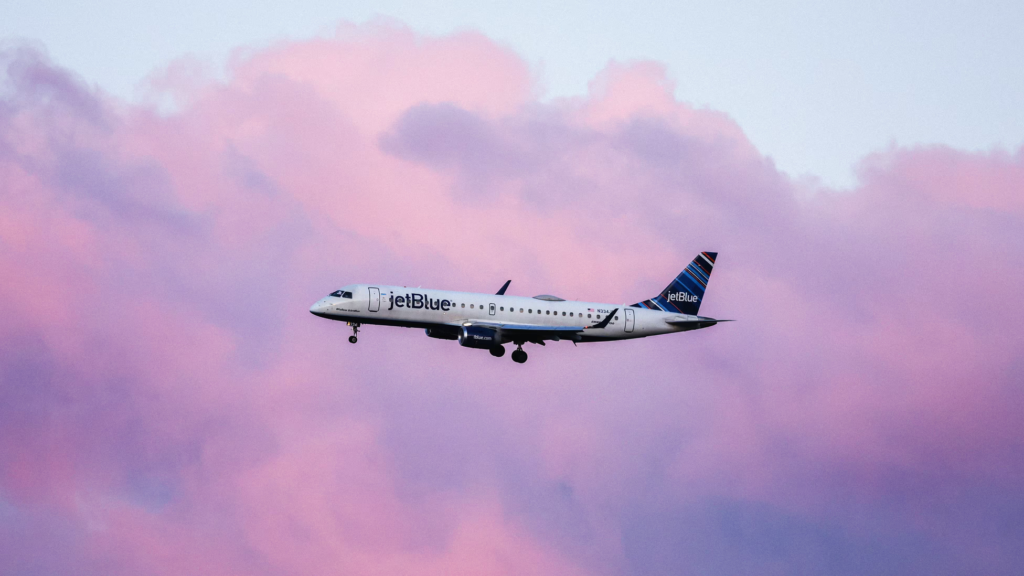
JetBlue Airways is facing mounting pressure as increasing operating expenses, financial commitments and service disruptions continue to affect its business. The American carrier is attempting to strengthen its financial position while addressing difficulties across the aviation sector. Its ongoing recovery efforts have drawn attention to whether the airline can achieve sustainable growth and return to profitability.

Rising expenses have become a major concern for the company. Higher fuel prices, aircraft maintenance costs, employee expenses and airport charges have placed additional demands on its finances. These developments have forced airlines to reconsider their pricing strategies and explore alternative ways of generating revenue without losing customers to competitors.

JetBlue has responded to the changing financial environment by adjusting some of its passenger charges, including checked baggage fees. The increases mean travellers may have to spend more when checking luggage, adding to the overall cost of their journeys. Such changes reflect a wider industry approach in which airlines rely on additional service charges to offset increasing operational expenses.

The company’s financial difficulties extend beyond higher operating costs. Its considerable debt and aircraft leasing commitments have also raised concerns about its ability to improve its financial performance. Continued losses have made controlling expenditure and increasing revenue essential parts of its recovery strategy.

However, JetBlue’s leadership has rejected speculation that the airline is preparing for an immediate debt restructuring. Chief Executive Officer Joanna Geraghty has stated that the company is not engaged in discussions with creditors regarding such arrangements. Instead, management remains focused on strengthening the airline’s operations and improving its financial position.

Flight disruptions have created further complications for the carrier. Weather conditions, airport congestion and air traffic control restrictions can interfere with scheduled services, affecting both passengers and airline operations. Delayed and cancelled flights may result in additional expenses as carriers arrange alternative travel options, manage customer complaints and reorganise aircraft schedules.

JetBlue has experienced weather-related operational difficulties at major airports, including Fort Lauderdale-Hollywood International Airport. These disruptions illustrate the challenges airlines face when external circumstances affect their ability to maintain reliable schedules.

To improve its position, the company is concentrating on reducing unnecessary expenses, increasing operational efficiency and reviewing its route network. Making better use of aircraft and improving the reliability of its services are also important elements of its broader business strategy.

The airline has identified 2027 as a significant milestone in its recovery plans, with management aiming to restore operating profitability. Achieving this objective will require stronger financial discipline, improved revenue performance and the ability to respond to changing travel demand.

For passengers, the developments could bring higher travel expenses, particularly for those who regularly check luggage. Travellers may also continue to experience occasional scheduling difficulties when severe weather or airport restrictions affect flight operations.

JetBlue’s current position reflects the wider pressures affecting the airline industry, where companies must balance competitive ticket prices with rising operating costs and substantial financial obligations. Maintaining customer confidence while improving profitability remains a difficult task.

As the company moves closer to its 2027 target, attention will remain on its ability to manage debt, strengthen daily operations and generate sufficient revenue. Whether its recovery strategy delivers the intended results will play an important role in determining JetBlue’s financial direction and its position in the competitive airline market.

You can watch the video below

Starship’s Lunar Mission Sparks Refueling Debate as NASA Estimates 22 Flights and Musk Predicts Eight

SpaceX’s plans to use its Starship spacecraft for future Moon missions have sparked fresh discussion following contrasting estimates about the number of launches needed to complete orbital refueling. While a member of NASA’s Aerospace Safety Advisory Panel believes approximately 22 tanker flights could be necessary, Elon Musk has challenged that assessment, suggesting that between six and eight launches may be sufficient.

The disagreement highlights the technical difficulties involved in preparing Starship for a lunar journey and raises questions about the time, resources and operational requirements associated with the ambitious project.

The issue was discussed during a meeting of NASA’s Aerospace Safety Advisory Panel on October 22, 2026. Charlie Precourt, a former astronaut and member of the advisory group, addressed the challenges associated with SpaceX’s proposed lunar landing system.

According to Precourt, the spacecraft could require approximately 22 launches to gather enough propellant before beginning its journey toward the Moon. His assessment attracted attention because orbital refueling is considered one of the most demanding parts of the Starship development programme.

Musk subsequently responded to the estimate, suggesting that the required number of tanker launches would be considerably lower. The SpaceX chief put forward a projection of six to eight flights, creating a noticeable difference between his expectations and the figure discussed by the NASA panel member.

Starship’s lunar architecture relies on a refueling system that differs from conventional space missions. Rather than carrying all the necessary fuel during its initial launch, the spacecraft is designed to receive additional propellant while positioned in Earth’s orbit.

Under the proposed arrangement, SpaceX would first launch an orbital fuel depot. Specially designed tanker versions of Starship would then make repeated journeys to deliver liquid oxygen and liquid methane. Once sufficient propellant has been collected, the lunar spacecraft would receive its fuel before continuing toward the Moon.

However, the process involves several technical challenges. Each tanker must successfully reach orbit, connect with the designated storage vehicle and transfer its fuel efficiently. Repeating these operations requires reliable launch systems and precise coordination between multiple spacecraft.

Fuel storage also presents difficulties because Starship uses cryogenic propellants that must remain at extremely low temperatures. Some fuel can gradually evaporate during storage, potentially affecting how much remains available for the lunar journey.

The efficiency of fuel transfers, the spacecraft’s carrying capacity and the amount of propellant lost during storage will all influence the final number of launches required.

NASA and SpaceX have yet to establish a definitive figure for the complete refueling process. Musk’s lower estimate represents his expectation, while the larger figure reflects concerns raised during the advisory panel’s discussion.

The outcome is particularly important for NASA’s Artemis programme, which relies on Starship as one of the systems intended to transport astronauts between lunar orbit and the Moon’s surface.

SpaceX must demonstrate that its spacecraft can conduct large-scale propellant transfers in orbit before the system can be considered ready for operational lunar missions. These demonstrations will help engineers understand whether the proposed refueling architecture can work reliably and safely.

The difference between the two estimates could also have financial and scheduling implications. A smaller number of tanker launches could reduce the resources required to prepare the spacecraft, while a larger number would introduce additional launch operations and logistical demands.

NASA’s lunar exploration ambitions therefore depend partly on SpaceX overcoming the technical obstacles associated with orbital refueling. The company will need to demonstrate the system’s capabilities through testing rather than relying solely on projected performance.

For now, the debate between the 22-flight estimate and Musk’s six-to-eight-launch projection remains unresolved. Future Starship tests and successful fuel-transfer demonstrations are expected to provide a clearer picture of what the lunar mission will actually require.

As development continues, the ability to refuel Starship efficiently in space will remain a crucial factor in determining how soon the spacecraft can support NASA’s plans for returning astronauts to the lunar surface.

You can watch the video below

Rose-Tinted Meteorite Found in Mali Provides Rare Glimpse Into Mars’ Ancient Crust

A remarkable discovery in the Sahara Desert has provided scientists with a rare opportunity to investigate the ancient geological history of Mars. A rose-coloured meteorite recovered in Mali has been identified as a fragment of the Red Planet dating back more than 4.1 billion years, offering fresh insights into its early crust and the possible presence of water during its formative period.

The unusual specimen, identified as Teghaza 001, was discovered in 2022 on a salt plain in Mali, West Africa. Weighing approximately 800 grams, the rock initially stood out because of its distinctive pinkish appearance. Subsequent scientific examinations, however, revealed that its importance extended far beyond its unusual colour.

Researchers conducted detailed mineralogical and chemical analyses to establish the meteorite’s origin and age. Their findings, published in the scientific journal Science on October 29, 2026, identified the specimen as one of the oldest known Martian meteorites recovered on Earth.

Laboratory investigations revealed that Teghaza 001 formed at least 4.1 billion years ago, during an important stage in Mars’ early geological development. The sample contains volcanic minerals and microscopic zircon crystals that preserve information about the conditions under which the original rock developed.

Scientists used advanced dating techniques to examine the mineral composition and establish the specimen’s geological history. These analyses also indicated that liquid water interacted with some of its minerals approximately 4.1 billion years ago.

The discovery is particularly important because it provides evidence of water-related geological activity during the early stages of Mars’ evolution. Researchers believe the interaction between water and volcanic materials could help explain how underground environments developed on the planet billions of years ago.

The meteorite’s mineral structure also offers clues about the formation of the Martian crust. Its composition suggests that volcanic processes played an important role in shaping the planet’s early surface before subsequent geological changes altered its characteristics.

Another interesting aspect of the research involves the specimen’s possible geographical origin. Scientists compared its chemical characteristics with geological observations collected by NASA’s Mars Reconnaissance Orbiter. Some of its features resemble materials identified in the ancient southern highlands of Mars, although its precise location of origin has not been established.

The specimen is especially valuable because ancient Martian material is difficult to obtain. Although hundreds of meteorites originating from Mars have been identified on Earth, only a small number preserve evidence from the planet’s earliest geological period. Teghaza 001 is considered one of the three oldest known examples.

Researchers believe the rock originally formed within Mars before a powerful impact launched it beyond the planet’s surface and into space. After travelling through the solar system, the fragment eventually reached Earth and was recovered in the Sahara region. The exact date of its arrival remains uncertain.

Beyond understanding the planet’s geological development, the findings could contribute to ongoing research into whether ancient Mars once supported conditions suitable for life. The evidence of water activity is particularly relevant because liquid water is considered essential for life as currently understood.

Nevertheless, scientists have not established that the meteorite contains evidence of ancient organisms. Its importance lies primarily in the geological information it preserves about the environmental conditions that existed on Mars billions of years ago.

Further investigations could help researchers understand the relationship between volcanic activity, water circulation and the development of the Martian crust. The findings may also assist future exploration missions in identifying locations where ancient geological evidence could be preserved.

The discovery of Tehama 001 offers an unusual window into Mars’ distant past. By examining a small fragment that travelled millions of kilometers before reaching Earth, scientists are gaining valuable information about how the Red Planet evolved from its earliest stages into the dry and cold world known today.

You can check the video below

Astronomers Detect Mysterious World Beyond Pluto That Could Become the Solar System’s Sixth Dwarf Planet

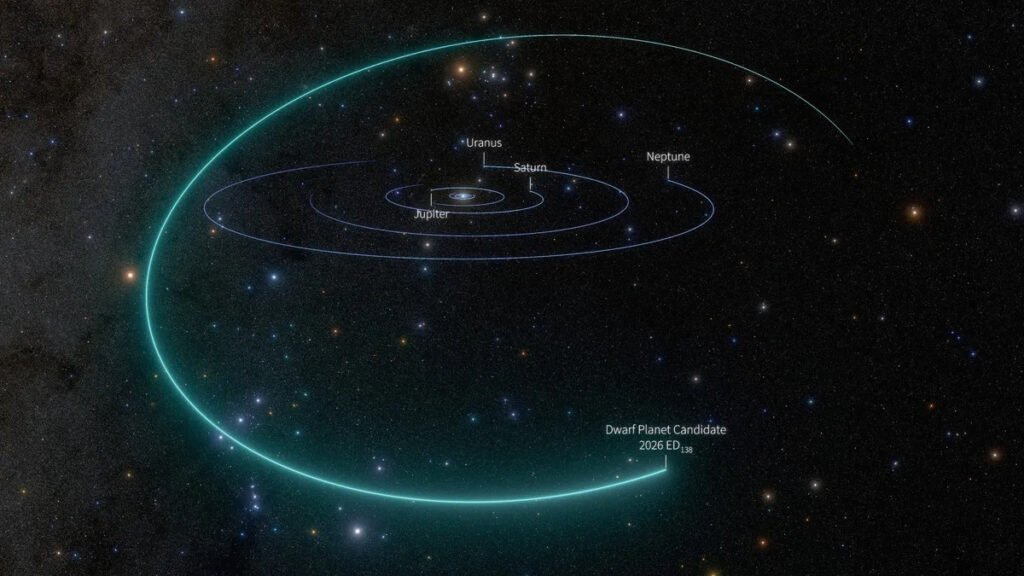
A mysterious celestial body located in the distant outer regions of the solar system has attracted the attention of astronomers, with researchers investigating whether it could qualify as a new dwarf planet. The object, provisionally identified as 2026 ED138, was detected through observations made by the NSF–DOE Vera C. Rubin Observatory in Chile.

Early estimates indicate that the icy object could measure between 600 and 1,500 kilometers across. Its considerable size and unusual orbital characteristics have made it an interesting discovery for scientists studying the region beyond Neptune.

The object was identified by astrophysicist Matthew Holman while examining astronomical images collected by the Rubin Observatory. On October 13, 2026, Holman noticed an unusual moving point of light among observations of distant stars. Further analysis suggested that it was a previously unidentified object travelling through the outer solar system.

Researchers subsequently examined additional telescope records to establish its movement and determine whether it was a genuine celestial body. Earlier observations dating back to 2016 were also identified, allowing astronomers to reconstruct part of its orbital journey.

One of the most unusual aspects of 2026 ED138 is its position and movement around the Sun. Preliminary calculations place it approximately 46 astronomical units away from our star. This means that it is around 46 times farther from the Sun than Earth.

Its orbital path is also tilted by approximately 25 degrees compared with the main plane in which most planets travel. Scientists believe that gravitational interactions involving Neptune could have influenced its unusual trajectory.

The discovery has generated interest because relatively little is known about the population of icy objects occupying the outermost parts of the solar system. Studying these distant bodies could provide valuable information about how the planetary system developed billions of years ago.

Currently, the International Astronomical Union officially recognizes five dwarf planets: Pluto, Ceres, Eris, Haumea and Makemake. If the newly identified object satisfies the necessary scientific conditions, it could potentially become the sixth officially recognized member of this category.

However, astronomers have not yet confirmed its classification. A celestial body must meet specific requirements before receiving dwarf planet status. It must orbit the Sun, possess sufficient gravitational strength to maintain an approximately spherical shape and must not have cleared other objects from its orbital neighborhood.

Although the estimated dimensions of 2026 ED138 make it a promising candidate, further investigation is necessary. Scientists need more accurate measurements of its diameter, surface composition and physical properties before determining whether it qualifies.

Additional observations using advanced infrared instruments could help resolve some of these uncertainties. Researchers may also use powerful space telescopes to investigate the object’s surface and determine its characteristics more precisely.

The finding highlights the growing importance of the Vera C. Rubin Observatory in astronomical research. Situated on Cerro Pachón in Chile, the facility is designed to repeatedly photograph large portions of the sky and identify objects that move or change over time.

Its planned decade-long Legacy Survey of Space and Time is expected to uncover thousands of previously undetected celestial objects. Scientists anticipate that some of these discoveries could include additional dwarf planet candidates hidden in the distant reaches of the solar system.

The discovery of 2026 ED138 offers another opportunity to investigate the mysterious region beyond Neptune. By studying its orbit and physical structure, astronomers hope to gain a clearer understanding of the icy bodies that occupy the outer solar system.

Although the object has not yet received official dwarf planet recognition, its discovery represents an important step in expanding scientific knowledge of our planetary neighborhood. Further observations will determine whether this distant world eventually joins Pluto and the other recognized dwarf planets.

You can watch the video below