Supreme Court Justices Encourage Americans to Revisit Their History as Nation Approaches 250th Anniversary

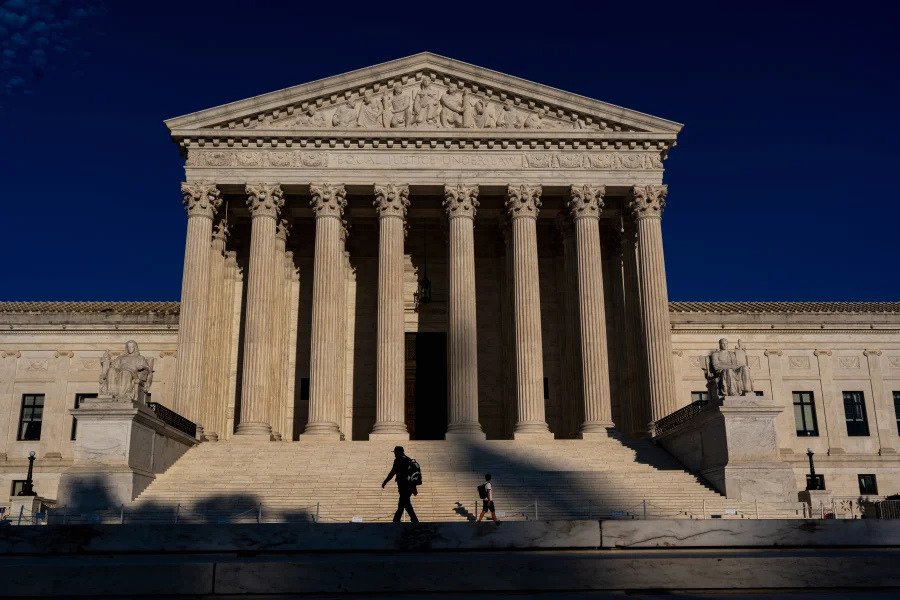
Three members of the United States Supreme Court have called on Americans to pay greater attention to the country’s historical foundations, constitutional principles and civic responsibilities as the nation reflects on 250 years of independence. Justices Neil Gorsuch, Brett Kavanaugh and Amy Coney Barrett have highlighted the value of historical knowledge and civic education in helping citizens understand the institutions that shape American democracy.

Their remarks come as the United States marks the 250th anniversary of the Declaration of Independence, adopted on July 4, 1776. The historic occasion has brought renewed attention to the country’s founding documents, the development of its constitutional system and the responsibilities associated with citizenship.

The justices shared their views through interviews connected to the Federalist Society’s 2026 National Lawyers Convention, scheduled for November 12–14. Their discussions explored the significance of America’s founding principles and the importance of passing historical knowledge to younger generations.

Justice Neil Gorsuch emphasised that the freedoms enjoyed by Americans today should not be taken for granted. He pointed to the historical events and sacrifices that contributed to the establishment of the country’s constitutional framework, noting the importance of understanding how these principles developed.

Gorsuch also stressed that preserving constitutional values requires continued attention from each generation. He encouraged citizens to become familiar with the Declaration of Independence and the Constitution, arguing that knowledge of these documents helps people better understand the foundations of American self-government.

Justice Brett Kavanaugh focused on the role of schools and educational institutions in strengthening civic awareness. He highlighted the need for Americans to learn more about their country’s history, constitutional structure and the functioning of government.

Kavanaugh also suggested that civic education should extend beyond classrooms. Adults, too, have a responsibility to remain informed about public institutions and understand the historical developments that have shaped the nation. A stronger grasp of constitutional history, including the amendments that have influenced American law and government, can help citizens participate more meaningfully in public affairs.

Meanwhile, Justice Amy Coney Barrett drew attention to the Declaration of Independence and the commitment demonstrated by its signatories. She referred to the document’s concluding pledge, in which those who signed it dedicated their lives, fortunes and honour to the cause of independence.

Barrett used this historical example to highlight the importance of public responsibility and active citizenship. Her remarks suggested that enjoying constitutional freedoms should also encourage individuals to understand the institutions that protect those rights and take an interest in the country’s future.

The justices’ statements form part of wider discussions surrounding America’s anniversary, with educational organisations, historical institutions and public bodies revisiting the events that shaped the nation. The milestone also offers an opportunity to examine the country’s constitutional development, from the establishment of its federal government to the expansion of individual rights and legal protections.

Other members of the Supreme Court have also reflected on the state of American democracy. Justice Sonia Sotomayor, speaking during an appearance at Mount Vernon’s Washington Library, addressed civic participation and the challenges confronting democratic institutions. She expressed confidence in the country’s ability to overcome difficulties and continue its democratic journey.

The renewed focus on civic learning comes amid broader concerns about public understanding of constitutional rights, government responsibilities and the democratic process. Advocates of stronger history and civics education argue that informed citizens are better equipped to understand public policies, recognise their legal rights and participate in national discussions.

As the United States looks back on two and a half centuries of independence, the justices’ comments highlight the continuing relevance of historical education. Their message places particular importance on ensuring that younger generations understand the country’s origins, constitutional development and the responsibilities involved in maintaining its democratic institutions.

You can watch the video below

DWP Introduces New Bank Account Checks for Benefit Claimants Under 2026 Rules

The UK government is strengthening its efforts to prevent welfare fraud and reduce incorrect benefit payments through a new financial verification system introduced by the Department for Work and Pensions (DWP). The updated arrangements will require selected banks and financial institutions to examine account information to help establish whether certain benefit recipients continue to satisfy eligibility requirements.

The initiative, known as the Eligibility Verification Measure (EVM), was established under the Public Authorities (Fraud, Error and Recovery) Act 2025. Its implementation began with the first Eligibility Verification Notice issued on October 26, 2026, marking the start of a controlled testing programme involving financial institutions.

The new verification arrangements cover recipients of Universal Credit, Pension Credit and New Style Employment and Support Allowance. They are primarily intended to identify financial circumstances that could affect benefit entitlement, including savings exceeding permitted limits and extended stays outside the UK where residency conditions apply.

Under the revised framework, banks will be responsible for checking their own records against specific indicators supplied by the DWP. These indicators are designed to highlight accounts that may contain information relevant to a claimant’s eligibility. The department will not receive unrestricted access to customers’ banking activities.

One of the main areas of attention is the amount of money held by benefit recipients. Universal Credit generally has a capital threshold of £16,000, meaning claimants whose qualifying savings and other capital exceed this amount are normally unable to receive the benefit. Pension Credit also has financial eligibility conditions, alongside rules governing residency and overseas absences.

When a financial institution identifies an account matching the specified criteria, it may provide selected details to the DWP. The information can include account holders’ names, account numbers, sort codes, relevant balances, linked account details and dates of overseas transactions.

However, the new system does not give the department permission to examine every financial transaction made by a claimant. Complete bank statements, everyday purchase records and ordinary spending histories are excluded from the information-sharing arrangements. Banks are also not required to provide direct access to customers’ online banking services.

The measures may also involve certain joint and connected accounts. Where accounts are linked to a qualifying benefit recipient, financial institutions may identify relevant information about those arrangements. Nevertheless, this does not mean that every account belonging to a family member or another person will automatically become subject to investigation.

The appearance of a potential eligibility concern does not necessarily indicate that a claimant has deliberately provided false information. A flagged account simply allows the department to identify cases where additional checks may be appropriate. Officials must examine the available evidence and consider the individual’s circumstances before making decisions about benefit entitlement.

Where further clarification is needed, claimants could receive communication through their Universal Credit online accounts, telephone calls, letters or text messages. The department may request additional information or supporting documents to determine whether payments have been made correctly. Any decision to revise or discontinue benefits must follow the relevant assessment procedures.

The government estimates that the new verification arrangements could help recover or prevent approximately £1.2 billion in losses by the 2030-31 financial year. Officials believe stronger financial checks will improve the accuracy of welfare payments and help ensure that government assistance is directed towards people who meet the required conditions.

Despite the expected financial benefits, the changes have generated questions about individual privacy and the handling of confidential banking information. To address these concerns, the legislation establishes restrictions on the type of information that can be shared, alongside safeguards and independent oversight of the system.

The initial rollout will follow a testing approach, allowing the department to assess how effectively banks identify relevant information and whether the process produces accurate results. Its impact on benefit recipients will also be considered before any wider implementation.

The introduction of these financial checks marks an important development in the administration of Britain’s welfare system. While the government maintains that the objective is to reduce fraud and payment errors, the measures also place greater emphasis on verifying financial eligibility. Claimants who disagree with decisions made following an assessment will retain the right to challenge the outcome through the established review and appeal procedures.

You can watch the video below
Supreme Court Examines Legal Protections for Federal Agents Amid Rising ICE Misconduct Allegations

The U.S. Supreme Court is reviewing a significant legal challenge that could redefine the extent to which federal law enforcement officers can be held personally responsible for alleged constitutional violations. The case has renewed discussions about civil rights, government accountability and the legal safeguards available to individuals, particularly as immigration enforcement agencies face increasing public scrutiny.

The justices heard arguments on November 9, 2026, in a dispute involving Kekai Watanabe, a former federal prisoner who claims that prison officials failed to provide proper medical attention after he sustained serious injuries during an incident at a detention facility in Hawaii in 2021.

Court documents indicate that Watanabe was assaulted during a disturbance involving other inmates. He reportedly suffered significant injuries, including a fractured tailbone, but alleges that his complaints about severe pain were not adequately addressed by prison medical personnel. The fracture was eventually identified by doctors approximately seven months after the incident.

Following the experience, Watanabe initiated legal proceedings against a prison nurse, arguing that the failure to provide appropriate medical care amounted to a violation of his constitutional rights. His lawsuit centers on protections under the Eighth Amendment, which prohibits cruel and unusual punishment.

The dispute has brought renewed attention to a legal doctrine established through a landmark 1971 Supreme Court decision known as Bivens. This principle allows individuals, under limited circumstances, to seek financial compensation from federal officers accused of violating constitutional protections.

However, the Supreme Court has gradually narrowed the circumstances in which such claims can be pursued. The latest dispute, identified as Nielsen v. Watanabe, asks the justices to consider whether the legal grounds supporting these lawsuits should remain available in situations involving alleged misconduct by federal employees.

Attorneys representing the prison nurse argue that Watanabe’s circumstances do not fall within the categories of cases previously recognized under the Bivens doctrine. They contend that expanding the legal remedy would interfere with decisions that should primarily be handled by Congress.

On the other side, Watanabe’s supporters argue that restricting these claims further could leave individuals with fewer opportunities to obtain justice when federal officers violate their constitutional rights. They believe the possibility of financial consequences plays an important role in discouraging misconduct and ensuring that victims have access to meaningful legal remedies.

The potential consequences extend beyond the federal prison system. Immigration enforcement agencies, particularly U.S. Immigration and Customs Enforcement (ICE), have faced growing scrutiny over allegations involving excessive force, unlawful detention and the treatment of individuals during enforcement operations.

Civil rights organizations have expressed concerns that narrowing the ability to sue federal officers could make it harder for people affected by alleged misconduct to pursue compensation. They argue that existing accountability mechanisms may not always provide adequate protection when constitutional violations occur.

Some legal specialists, however, believe that a more comprehensive approach should come from Congress. They argue that government institutions need stronger oversight procedures, improved employee training and clearer administrative policies to prevent misconduct. According to this position, individual lawsuits alone cannot resolve wider problems within federal law enforcement agencies.

Another available legal option is the Federal Tort Claims Act, which permits certain claims against the federal government for misconduct by its employees. Nevertheless, this legislation operates under specific restrictions and generally requires individuals to complete an administrative claims process before pursuing litigation. It does not offer precisely the same legal remedy as a Bivens lawsuit against an individual officer.

The disagreement has also highlighted the responsibility of lawmakers in establishing clear rules governing federal accountability. Congress has the authority to create legislation allowing individuals to seek compensation when federal employees violate their constitutional protections, although a comprehensive solution has yet to emerge.

The Supreme Court’s eventual decision could have important implications for civil rights cases, immigration enforcement and the responsibilities of federal law enforcement personnel. A ruling that further limits the Bivens doctrine could significantly reduce the legal options available to people seeking damages from individual federal officers.

As the legal proceedings continue, the case raises a broader question about how the country should balance protections for government employees with the constitutional rights of the public. Its outcome could influence future accountability standards and determine how effectively individuals can challenge alleged misconduct by federal authorities.

You can watch the video below

Trump’s Comments on Iran Ease Market Concerns, Sending Oil Prices Lower

Crude oil prices moved lower during Monday’s trading session, November 9, after U.S. President Donald Trump suggested that additional military strikes against Iran were unlikely if diplomatic discussions between the two countries continued progressing. His remarks helped ease concerns about a wider regional conflict, encouraging investors to reconsider the potential risks facing international energy supplies.

Brent crude futures recorded a decline of 64 cents, equivalent to 0.64%, reaching $97.67 per barrel. Meanwhile, U.S. West Texas Intermediate (WTI) fell by 35 cents, or 0.40%, to $90.51 per barrel by 1134 GMT. Brent prices also experienced a temporary drop of more than $1 as traders reacted to the possibility of improved relations between Washington and Tehran.

Trump shared his assessment during a telephone interview with CNN on Sunday. He indicated that further American military action would probably not be required if Iran accepted an agreement that met Washington’s expectations. The statement offered a more measured outlook following earlier warnings about the possibility of renewed attacks.

The prospect of diplomatic progress has become a major consideration for energy investors. The Middle East plays a significant role in global petroleum production and transportation, making developments involving Iran particularly important for international markets. Any expansion of military operations could threaten oil facilities, shipping routes and exports from the region.

Nevertheless, the latest decline does not eliminate concerns about potential supply interruptions. The Strait of Hormuz remains a major source of uncertainty because it handles a substantial share of the world’s seaborne oil shipments. Continued security concerns and reported attacks involving vessels in and around the waterway have kept energy traders cautious.

A prolonged disruption to shipping through the strategic passage could significantly affect international oil supplies. Consequently, investors continue monitoring developments in the region despite the more encouraging signals surrounding possible negotiations.

The recent movement also follows a substantial decline in crude prices during the previous week. Brent recorded a weekly loss of approximately 17%, representing its sharpest weekly fall since the COVID-19 pandemic. Changing expectations surrounding the conflict, alongside hopes for diplomatic engagement, contributed to the downturn.

Another factor influencing the market is the possibility of an increase in worldwide oil supplies. JPMorgan estimated that global production exceeded consumption by approximately 1.1 million barrels per day in September. The surplus was projected to increase to around 1.4 million barrels daily in October, reflecting stronger production and relatively softer demand.

Developments involving Iraqi oil exports have also attracted market attention. Iraqi Foreign Minister Fuad Hussein said an understanding had been reached with the United States to facilitate the resumption of oil shipments through the Strait of Hormuz using a route near Oman. The disruption has reportedly caused substantial economic losses for Iraq, estimated by the foreign minister at approximately $60 billion.

At the same time, security concerns elsewhere in the Middle East continue to complicate the energy outlook. Yemen’s Houthi group claimed responsibility for an attack targeting Saudi Aramco’s offices in Riyadh. The incident reportedly resulted in property damage but no casualties, highlighting the continuing instability surrounding the region.

Energy analysts believe that future oil price movements will depend heavily on the outcome of negotiations between Washington and Tehran. A lasting diplomatic agreement could reduce concerns about transportation disruptions and improve confidence in international supply chains. However, renewed military confrontations or additional threats to important shipping routes could quickly push prices upward again.

For the moment, investors remain focused on political developments, production levels and global consumption patterns. Although Trump’s latest comments have provided some relief to energy markets, uncertainty surrounding the Middle East remains an important influence on crude oil trading.

The latest price movement demonstrates the close relationship between international politics and commodity markets. As diplomatic efforts continue, traders are expected to follow developments involving Iran, regional security and global petroleum supplies to determine whether the recent decline will continue.

You can watch the video below

Democrats Turn Attention to Elon Musk as Congressional Scrutiny Looms After Midterm Elections

Elon Musk may soon find himself facing renewed congressional attention following the Democratic Party’s gains in the 2026 U.S. midterm elections. With Democrats securing greater influence in Congress, lawmakers are expected to revisit concerns involving the billionaire’s government activities, corporate interests and political involvement.

Although Musk was not a candidate in the election, his substantial financial backing of Republican politicians and political organizations made him an influential figure throughout the campaign season. His contributions attracted considerable attention as several candidates he supported faced competitive races.

According to reports, Musk directed hundreds of millions of dollars toward Republican political efforts during the election cycle. Despite his financial involvement, a number of candidates receiving his support failed to secure victories.

Texas emerged as one of the important political battlegrounds. Musk reportedly spent heavily on campaigns in the state, where several of his companies maintain significant business operations. However, Democratic candidates recorded important victories, including James Talarico’s win over Republican Ken Paxton in the Senate contest.

The shift in congressional power could create opportunities for Democratic lawmakers to investigate matters involving Musk’s previous government responsibilities. Particular attention is expected to focus on the Department of Government Efficiency, widely known as DOGE, which Musk helped lead during the early part of President Donald Trump’s second administration.

The department introduced a series of cost-cutting measures, workforce reductions and government restructuring initiatives. However, its activities attracted criticism from Democratic lawmakers, who questioned the transparency of its decisions, access to sensitive government information and the actual financial benefits achieved through its operations.

Another issue likely to receive attention involves the federal agreements held by Musk’s companies. SpaceX has secured substantial contracts with government agencies, including NASA and the Department of Defense. Democratic representatives have raised questions about whether Musk’s involvement in government activities created potential conflicts of interest involving his private businesses.

Lawmakers may also examine whether appropriate ethical safeguards were followed while Musk was associated with DOGE. The relationship between his government responsibilities and commercial interests has remained a subject of political discussion.

His international business operations could also become part of the wider examination. Starlink, the satellite internet service operated by SpaceX, has played an important role in communications in Ukraine. Its involvement in international security matters has raised questions about the influence private technology companies can exercise in sensitive geopolitical situations.

Several Democratic lawmakers have expressed interest in obtaining further information from Musk. Congressional hearings, requests for documents and potential testimony could become part of their efforts to understand the department’s operations and the billionaire’s government connections.

Musk, meanwhile, has previously indicated that he would challenge attempts by Democratic officials to target him politically. His statements suggest that further disagreements could emerge as lawmakers consider their next steps.

The political developments may also affect investor confidence surrounding Musk’s businesses. Tesla and SpaceX have attracted attention because of their extensive connections with federal agencies and the possibility of additional regulatory examination.

However, increased congressional scrutiny does not automatically establish misconduct. Any investigation would need to rely on documented evidence and determine whether existing laws, government ethics standards or contractual requirements were violated.

The Democratic gains in the midterm elections have therefore introduced a different political environment for Musk. His previous involvement in government cost-cutting initiatives, financial support for Republican campaigns and extensive federal business relationships could all receive renewed attention.

As the new congressional leadership prepares to take shape, Musk’s relationship with Washington is likely to remain an important issue. Whether the renewed scrutiny results in formal investigations, public hearings or further political disagreements will depend on the actions lawmakers take and the evidence available to them.

You can watch the video below

Trump Clashes With Fox News as Democrats Secure Major Victories in Midterm Elections

President Donald Trump has expressed growing dissatisfaction with Fox News following a series of significant Democratic victories in the 2026 US midterm elections. The developments have drawn attention to tensions between the president and a television network that has traditionally attracted a large conservative audience.

As election results emerged on November 3, Trump used his Truth Social platform to criticize Fox News over its political reporting, election analysis and coverage of Democratic candidates. His remarks reflected his frustration with the network’s editorial approach during an important period for the Republican Party.

Among those singled out by the president was Jessica Tarlov, a Democratic strategist and co-host of Fox News’ programme The Five. Trump criticized her commentary and expressed his unwillingness to continue watching the network while she was appearing on screen. He suggested that viewers could change channels rather than listen to her discussions.

The president also questioned the accuracy and credibility of Fox News’ polling. He accused the network of presenting unfavourable questions about his administration and giving excessive attention to Democratic political figures. Trump argued that the channel was not providing the level of support that Republican candidates needed during the election period.

Fox News’ audience figures also became part of the disagreement. Trump claimed that the network had lost a considerable portion of its viewers because of its coverage of Democrats. Media reports cited Nielsen figures showing that Fox News’ total-day audience had declined by approximately 27% in October compared with the same period a year earlier. Despite the reported decrease, the network continued to lead other cable news channels in overall viewership.

His criticism extended beyond television coverage, with Trump questioning political donations associated with Fox Corporation and highlighting contributions involving Democratic politicians and organizations. The comments further intensified the public disagreement between the president and the media company.

While Trump focused on the network, Democrats were celebrating substantial electoral achievements across several states. Their performance represented a setback for Republicans and potentially altered the balance of political power in Washington.

One of the most significant developments was the Democratic Party’s success in regaining control of the US Senate, following victories in several competitive contests. The party also recorded important gains in statewide elections, including races that had previously been dominated by Republican candidates.

In Texas, Democrat James Talarico defeated Republican Ken Paxton, while Gina Hinojosa secured victory over incumbent Governor Greg Abbott. Georgia also witnessed a notable political change as Keisha Lance Bottoms won the gubernatorial contest. Democrats additionally celebrated victories in South Carolina and Ohio.

The outcome in the House of Representatives remained a major focus as vote counting continued and the final distribution of seats was being determined.

A combination of domestic and international concerns contributed to the election debate. Rising living expenses, economic uncertainty, dissatisfaction with government decisions and concerns surrounding the administration’s foreign policy were among the issues discussed during the campaign.

The Democratic victories could create additional difficulties for Trump’s administration. With a stronger position in Congress, Democrats may have greater opportunities to influence legislation, investigate government decisions and challenge policies supported by the Republican leadership.

Trump’s dispute with Fox News has also raised questions about the relationship between conservative media organizations and Republican political figures. Although the network has frequently provided coverage of Trump and other Republican leaders, disagreements over polling, commentary and editorial decisions have periodically created friction.

The latest confrontation demonstrates that political disagreements can extend beyond opposing parties, particularly when media coverage becomes a subject of public criticism.

As the new election results reshape the political environment, Democrats are preparing to make use of their strengthened congressional position, while Republicans face the task of examining their performance and rebuilding support.

The combination of Democratic electoral success and Trump’s criticism of Fox News has therefore become one of the prominent developments following the 2026 midterm elections, with potential consequences for both the country’s political direction and the relationship between conservative media and the Republican Party.

You can watch the video below

Democrats Regain Georgia Governorship as Keisha Lance Bottoms Secures Historic Election Victory

Keisha Lance Bottoms has secured a landmark victory in Georgia’s gubernatorial election, bringing the state’s governor’s office back under Democratic leadership. The former Atlanta mayor’s triumph over Republican candidate Rick Jackson signals a major political development in a state that has remained a key battleground in American elections.

Bottoms’ victory carries historical significance beyond the change in party control. She is set to become the first Black woman elected governor of a U.S. state, marking a breakthrough in American political representation. Her election is expected to strengthen Democratic momentum in Georgia while drawing renewed attention to the state’s evolving electorate.

The gubernatorial contest placed Bottoms against Jackson, a healthcare entrepreneur whose campaign centered on economic expansion, business investment, tax policies and public safety. Bottoms built her campaign around issues affecting households across Georgia, including healthcare access, rising living costs, economic opportunities and community development.

Georgia has become one of the most closely watched states in the country because of its increasingly competitive political environment. Although Republicans have traditionally dominated statewide elections, Democrats have gradually expanded their influence, particularly in Atlanta and its surrounding suburban communities.

Bottoms entered the race with considerable political experience. She served as Atlanta’s mayor between 2018 and 2022, leading the city through several difficult periods, including the coronavirus pandemic, economic disruption and nationwide demonstrations over racial justice. Her time in municipal government helped establish her reputation as a prominent Democratic leader.

After leaving the mayor’s office, Bottoms moved into national politics, serving as a senior adviser to President Joe Biden and leading the White House Office of Public Engagement. Her experience at both the local and federal levels became an important part of her campaign as she sought to appeal to voters across Georgia.

The election result is also being viewed as a significant development for Democrats seeking to strengthen their position in the American South. Georgia’s changing demographics and growing urban populations have made it increasingly competitive, with both parties investing heavily in statewide campaigns.

Bottoms’ campaign focused on building a broad coalition of voters, including residents in metropolitan Atlanta, suburban communities and working-class neighborhoods. These areas have become increasingly influential in determining the outcome of statewide elections.

Her victory follows years of Democratic efforts to expand their electoral presence in Georgia. Previous campaigns by Stacey Abrams helped place the state at the center of national political discussions, while Democratic victories in other statewide contests demonstrated the party’s growing competitiveness.

The change in leadership is expected to bring renewed attention to healthcare, education, employment and the cost of living. Bottoms will face the challenge of turning her campaign commitments into practical policies while navigating Georgia’s political divisions.

Her administration will also be expected to address economic concerns affecting families and businesses. Rising expenses, access to affordable healthcare and opportunities for employment are likely to remain central issues as the new governor prepares to take office.

The result carries broader implications for the Democratic Party as it looks toward future elections. Winning Georgia’s governorship provides Democrats with a major statewide achievement and could influence their strategy in other Southern states.

At the same time, Bottoms’ election highlights the changing nature of political representation in the United States. Her achievement as the first Black woman elected governor represents a significant moment for women and minority communities seeking greater participation in public leadership.

With Republicans losing control of the governor’s office, Georgia enters a new political chapter. Bottoms now faces the task of governing a diverse and politically divided state while meeting the expectations created by her historic campaign.

Her victory represents both a shift in Georgia’s political leadership and a milestone in the broader movement toward greater representation in American government.

You can watch the video below

Alaska Judge Rejects Trump’s Election Lawsuit in Legal Setback

A federal court in Alaska has dismissed an election-related lawsuit filed by the administration of President Donald Trump, delivering a legal setback to its efforts to challenge the state’s election procedures. The case focused on the upcoming U.S. Senate race and concerns that candidates with similar names could potentially create confusion among voters.

U.S. District Judge Sharon Gleason rejected the Justice Department’s request on Sunday, November 1. The administration had sought to prevent Alaska from certifying its Senate election results under certain circumstances if Republican incumbent Dan Sullivan failed to secure victory.

The lawsuit was connected to Alaska’s closely contested Senate election, where Sullivan is facing Democratic challenger Mary Peltola. The race has attracted considerable national attention, as the result could influence the balance of power in the U.S. Senate following the midterm elections.

The legal dispute arose after another candidate, Daniel J. Sullivan Jr., entered the contest. His name closely resembles that of the incumbent senator, prompting the federal government to argue that voters could mistakenly select the wrong candidate when casting their ballots.

The Justice Department claimed that the similarity between the names could potentially affect the election outcome. It requested that state officials take additional measures to address the issue, including separating certain ballots for further examination.

However, Judge Gleason ruled that the administration had not demonstrated a sufficient legal basis for the requested intervention. The court also raised concerns about how the proposed investigation could be conducted without compromising the secrecy of voters’ choices.

The judge questioned whether election officials could realistically determine which voters had intended to support the incumbent senator while maintaining the confidentiality of their ballots.

The ruling further emphasized the importance of allowing Alaska to manage its own election procedures. The administration’s request, according to the court, could interfere with the state’s established election system and create complications during a period when voting was already underway.

Early voting had begun in Alaska before the decision was issued, adding urgency to the dispute. Election officials were preparing for Election Day while dealing with the legal challenge.

The case also highlighted the broader debate over the federal government’s authority in state-run elections. Under the U.S. Constitution, states generally oversee election administration, including ballot processing, vote counting and certification.

The Trump administration has argued that stronger federal involvement is necessary to protect election integrity. Critics, however, have raised concerns that such efforts could undermine state authority and introduce uncertainty into established voting procedures.

Alaska officials and voting-rights advocates opposed the lawsuit, arguing that the proposed measures could threaten ballot confidentiality and disrupt the election process.

The Justice Department has indicated that it intends to appeal the ruling, maintaining that its legal action was aimed at protecting voters from potential confusion.

The dispute has also attracted attention because of allegations concerning the recruitment of Daniel J. Sullivan Jr. as a candidate. Reports have suggested that Democratic campaign operatives may have encouraged him to enter the race. Peltola has denied personal involvement in the alleged recruitment effort.

The controversy has added another layer of political tension to the Senate contest, which could have significant implications for both parties.

Despite the legal challenge, Alaska’s election is continuing under existing state procedures. The judge’s decision does not determine the winner of the Senate race or prevent officials from counting ballots and certifying the final results.

The Justice Department’s planned appeal could lead to additional legal proceedings, although the approaching Election Day may limit the time available for further court action.

As voters prepare to cast their ballots, the Alaska Senate contest remains closely watched across the country. The outcome could influence the composition of the Senate and shape the political direction of Washington in the months ahead.

The court’s decision leaves Alaska’s election system in place while federal authorities continue to pursue their legal challenge.

You can watch the video below

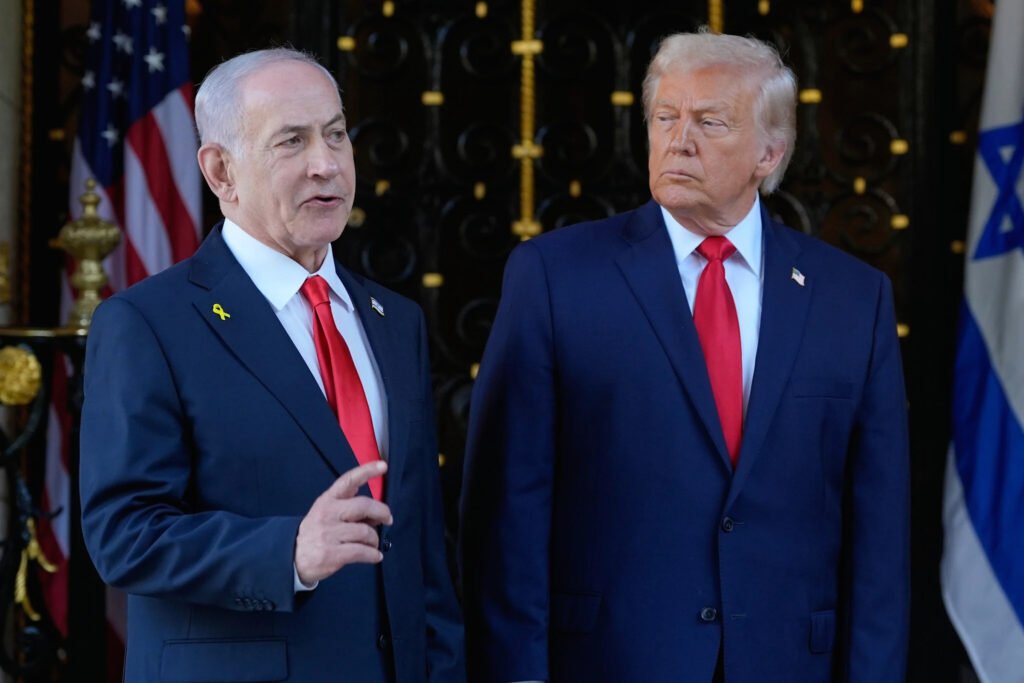
Trump and Netanyahu Discuss Iran as Israel Reportedly Considers Renewed Military Action

US President Donald Trump has spoken with Israeli Prime Minister Benjamin Netanyahu as concerns grow over the possibility of another round of military strikes against Iran. The reported conversation comes at a sensitive moment for the Middle East, with Washington and Tel Aviv closely monitoring developments and considering their next moves amid continuing tensions with Tehran.

According to media reports, the two leaders held a telephone discussion on Saturday, October 31. Their conversation reportedly focused on the evolving situation involving Iran and the possibility of renewed military operations. The call comes as both governments assess the security risks associated with Iran’s nuclear programme and its broader influence throughout the region.

The latest diplomatic contact has drawn attention because of reports suggesting that Israel is preparing for potential additional strikes against Iranian targets. Although no official announcement has confirmed an imminent operation, the reported preparations have raised concerns that the current situation could escalate into another military confrontation.

The Trump administration is also believed to be examining different military scenarios in case diplomatic efforts fail. Discussions involving senior American officials have reportedly included possible responses to developments surrounding Iran’s nuclear activities and regional security concerns.

Despite these preparations, Washington has not publicly confirmed that a decision has been made to launch another attack. Trump has continued to leave the door open for negotiations, suggesting that a diplomatic solution remains possible if Iran is willing to address American concerns.

Israel, meanwhile, is reportedly reviewing its military readiness as uncertainty continues over the next phase of the confrontation. Preparations are believed to include assessments of potential targets, operational capabilities and defensive measures against possible Iranian retaliation.

The situation has also placed renewed attention on America’s military presence across the Middle East. Washington has reportedly been evaluating its regional security arrangements and military resources as tensions increase. Any decision to resume operations could involve significant coordination between American and Israeli defence officials.

Political developments in the United States may also influence the timing of any potential military action. The upcoming midterm elections, scheduled for November 3, have added another consideration for the Trump administration. Previous reports suggested that discussions had taken place about the possibility of delaying renewed strikes until after the election period.

Meanwhile, US Secretary of State Marco Rubio has indicated that diplomatic communication with Iran has not entirely ended. He has maintained that Washington remains interested in reaching an agreement, provided that Tehran addresses key American security demands.

Iran’s nuclear programme remains one of the central disagreements between the two sides. Washington has repeatedly expressed concerns about Tehran’s nuclear ambitions, while also opposing its support for armed groups operating across the Middle East.

Iranian officials, however, have consistently rejected external pressure and warned that any fresh military attack would receive a response. Tehran has maintained that it has the right to defend its territory and interests against foreign aggression.

These warnings have heightened concerns about the possibility of a wider regional conflict. If Israel or the United States launches another operation, Iran could respond through direct military action or other regional channels, potentially drawing additional countries into the confrontation.

The economic consequences could also be significant. The Middle East plays a crucial role in international energy production and global shipping routes. Any prolonged military escalation could disrupt oil supplies, increase energy prices and create further uncertainty in international markets.

For neighbouring countries, the possibility of renewed hostilities raises concerns about regional stability, civilian safety and the potential expansion of military operations beyond existing conflict zones.

For now, Trump’s latest conversation with Netanyahu underscores the continued coordination between Washington and Jerusalem as they evaluate the situation involving Iran. However, neither government has publicly confirmed that another military operation is imminent.

With diplomatic possibilities still open and reports of military preparations continuing, the coming days could be particularly important. Whether the situation moves towards renewed negotiations or another round of military confrontation remains uncertain, leaving the region facing another period of heightened tension.

You can watch the video below

Rihanna Calls Out Non-Voters in Discussion About Donald Trump’s Second-Term Victory

Singer and entrepreneur Rihanna has sparked fresh discussion about political participation in the United States after suggesting that people who did not vote in the 2024 presidential election also share responsibility for Donald Trump’s return to the White House.

The singer made the remark in the comments section of an Instagram post featuring political commentator Joy Reid discussing the outcome of the election. The clip, shared by Hollywood Unlocked on October 27, included Reid speaking with journalist Charles M. Blow about Trump’s second presidential term and the choices made by American voters.

Reid argued that the election result reflected the political preferences of sections of the electorate. Her comments prompted a debate among social media users, with some directing criticism at people who voted for Trump. One commenter agreed with Reid’s assessment and argued that Trump’s supporters were responsible for his victory.

Rihanna responded by widening the discussion to include eligible voters who chose not to participate. She wrote that people who did not vote had also contributed to the outcome, drawing attention to the influence of voter turnout in determining election results.

Her response quickly attracted attention online, bringing a new perspective to the ongoing conversation about the 2024 election. Rather than limiting responsibility to those who supported the winning candidate, the singer highlighted how abstaining from voting can also affect the political direction of a country.

Trump defeated Democratic nominee Kamala Harris in November 2024, securing a second, non-consecutive term as president. His victory followed a closely watched campaign shaped by debates over the economy, immigration, reproductive rights and the future direction of the federal government.

Rihanna’s comments have renewed discussion about the millions of eligible Americans who did not cast ballots. Although turnout in 2024 was relatively high by recent historical standards, a substantial number of eligible voters remained outside the electoral process. Their absence raises questions about political engagement and whether greater participation might have affected the final result.

However, non-voters do not necessarily share the same political views or motivations. Some may have been dissatisfied with both candidates, while others faced practical obstacles, lacked confidence in the political system or decided that voting would not make a difference. Their potential choices cannot be assumed to favour one party or candidate.

The exchange also reflects a wider debate about electoral accountability. Some commentators focus on the people who actively supported Trump, while others argue that political parties must examine why certain voters stayed home. Rihanna’s intervention adds another dimension by emphasising that participation itself can matter, even when individuals do not directly support a winning candidate.

The singer’s perspective is particularly notable because she was born in Barbados and is not a United States citizen, meaning she is not eligible to vote in American federal elections. During the 2024 campaign, she encouraged Americans to participate in the election through social media and used humour to acknowledge that she could not cast a ballot herself.

Rihanna has previously used her public platform to discuss social issues and encourage political engagement. Her latest comment continues that pattern, showing how celebrities can contribute to conversations about elections beyond traditional campaign events and endorsements.

The reaction to her remarks illustrates the continuing influence of social media in shaping political debate. A short exchange between a celebrity and a follower can quickly reach a large audience, encouraging people to discuss voter participation, responsibility and the consequences of electoral decisions.

As the United States continues to debate the implications of Trump’s second term, Rihanna’s comments have brought renewed attention to those who chose not to vote. Her central point is that election outcomes are shaped not only by the ballots cast but also by the decisions of eligible citizens who stay away from the polls.

You can watch the video below