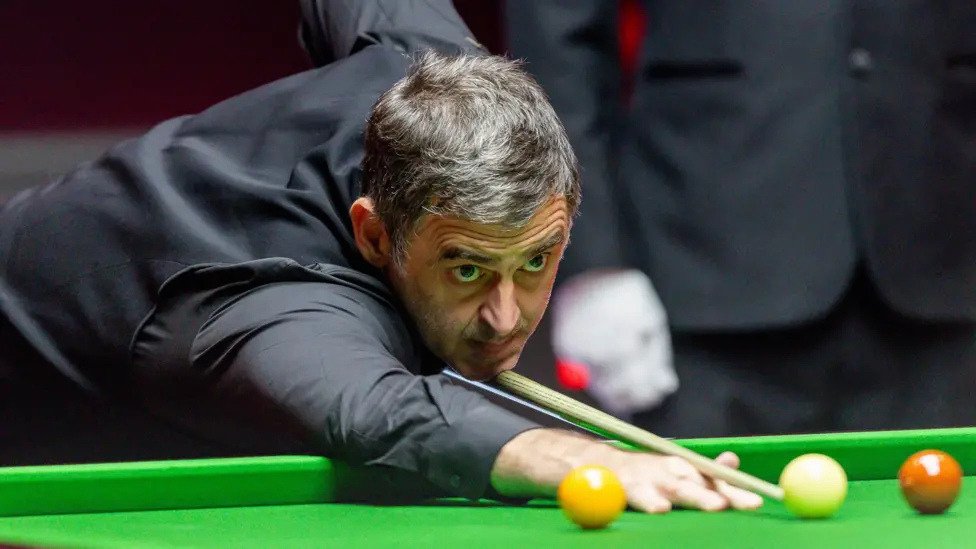
Seven-Time World Champion O’Sullivan Knocked Out by 61-Year-Old Tony Drago

Ronnie O’Sullivan suffered another disappointing result after Maltese snooker veteran Tony Drago defeated him 5-3 at the Snooker 900 Crucible Cup in Reading. The 61-year-old delivered an impressive performance against the seven-time world champion, securing a place in the tournament final and producing one of the competition’s biggest surprises.

The match took place on November 25, 2026, with Drago demonstrating confidence and composure against one of the sport’s most successful players. O’Sullivan struggled to establish control during the early stages, allowing his experienced opponent to build an advantage.

Drago opened the contest strongly, recording breaks of 78 and 121 to claim the first two frames. His aggressive approach and quick decision-making created difficulties for O’Sullivan, who initially found it challenging to match the Maltese player’s scoring ability.

The Englishman eventually responded by winning two consecutive frames, bringing the score to 2-2. The comeback suggested that O’Sullivan might regain control, but Drago refused to let the opportunity slip away. He secured the next two frames and moved within one frame of completing an unexpected victory.

O’Sullivan managed to extend the match by taking the seventh frame, reducing Drago’s lead to 4-3. However, the veteran remained focused during the deciding stage and produced a break of 63 to seal the match. The final score of 5-3 confirmed O’Sullivan’s exit from the competition.

Following the victory, Drago expressed his emotions and dedicated the achievement to his mother. He admitted that overcoming a player of O’Sullivan’s calibre at the age of 61 was an extraordinary moment in his career.

Known by the nickname ‘The Tornado’, Drago has built a reputation for his exceptionally fast playing style. He previously competed on the professional circuit between 1985 and 2016, reaching the world’s top 10 during his career. His attacking approach and rapid movement around the table made him one of the more recognisable personalities in international snooker.

Among his notable achievements was reaching the final of the 1997 International Open, where he was defeated by legendary player Stephen Hendry. Although he eventually stepped away from professional competition, Drago has continued participating in alternative snooker events and demonstrating his experience against younger and established opponents.

The Crucible Cup follows the Snooker 900 format, which differs from traditional professional tournaments. Each frame has a maximum duration of 15 minutes, while players must also follow a shot clock when taking their shots. The shorter format encourages attacking play, faster decisions and consistent scoring.

O’Sullivan had entered the competition with encouraging results, having previously defeated Barry Pinches 5-2 in his opening match. He was also coming off victories in the John Virgo Trophy and Global Championship earlier in 2026. However, his latest performance ended his hopes of securing another title.

The defeat adds to a challenging period for the 50-year-old, whose recent performances have raised questions about his consistency. Earlier in November, he suffered a 4-0 loss against Shaun Murphy at the Champion of Champions tournament in Leicester. He had also experienced an early exit at the Northern Ireland Open after losing to Ka Wai Cheung.

O’Sullivan’s recent results have attracted attention because of the exceptional standards he has maintained throughout his career. His last ranking tournament victory came at the World Grand Prix in January 2024, and he will now be looking to regain his strongest form in upcoming competitions.

Despite his defeat, O’Sullivan remains one of the most decorated figures in the sport, with seven world championship titles and numerous other major achievements.

Drago’s impressive performance secured him a place in the final against India’s Pankaj Advani, with the winner set to receive the £25,000 prize. Advani ultimately claimed the trophy after recording a convincing 6-0 victory.

Although Drago missed out on the championship, his success against O’Sullivan remained a major highlight of the event. His performance demonstrated that experience and determination can still produce remarkable results, while O’Sullivan’s latest setback leaves the snooker legend facing another challenge in his efforts to return to winning form.

You can watch the video below

NASA’s Asteroid Defence Experiment Leaves Massive Stadium-Sized Crater, New Images Reveal

Fresh images of an asteroid have uncovered the remarkable impact of a planetary defence experiment carried out by NASA, revealing a huge crater covering almost the entire width of the space rock. The observations are giving scientists a better understanding of how asteroids respond to high-speed collisions and whether similar technology could eventually help protect Earth from potentially dangerous objects approaching the planet.

The photographs were obtained by the European Space Agency’s Hera spacecraft, which is examining the aftermath of NASA’s Double Asteroid Redirection Test (DART). The experiment involved deliberately crashing a spacecraft into Dimorphos, a small asteroid orbiting the larger space rock Didymos, to determine whether such an impact could alter an asteroid’s movement.

The historic collision took place on September 26, 2022, when NASA directed its DART spacecraft towards Dimorphos at considerable speed. The mission was designed to demonstrate whether a carefully planned spacecraft impact could change the trajectory of an asteroid, offering a possible method of preventing future collisions with Earth.

Recent observations have revealed the considerable damage caused by the spacecraft. The resulting crater extends across almost the entire surface width of Dimorphos, which measures approximately 151 metres in diameter. The discovery has attracted scientific attention because the scale of the impact demonstrates how much an asteroid’s structure can be affected by a relatively small spacecraft travelling at high speed.

Researchers have also identified changes in the asteroid’s physical behaviour following the collision. Dimorphos is now rotating in an unstable and irregular pattern, indicating that the impact affected more than its surface. The findings suggest that the spacecraft collision altered the asteroid’s rotation and physical structure.

Another significant observation involves hundreds of boulders found around the Didymos asteroid system. Scientists believe these rocks were displaced during the collision, with material being thrown away from Dimorphos and scattered into the surrounding space. Researchers are studying their positions and movements to understand how the asteroid reacted to the force of the impact.

The experiment also produced a measurable change in Dimorphos’s orbit around Didymos. Following the collision, its orbital period became approximately 33 minutes shorter. This demonstrated that a spacecraft could successfully influence the movement of an asteroid through a controlled collision.

The European Space Agency launched its Hera spacecraft to investigate the long-term consequences of the experiment and provide detailed information about the resulting damage. The mission is designed to examine the asteroid’s surface, internal composition and physical characteristics, helping scientists understand why the collision produced such significant changes.

Hera carries specialised scientific equipment, including cameras and instruments capable of studying the asteroid’s environment. These tools will allow researchers to gather information that could not be obtained during NASA’s initial impact mission.

The spacecraft is also expected to release two smaller CubeSats, named Juventas and Milani, to conduct additional investigations. Juventas will use radar technology to examine Dimorphos’s internal structure, while Milani will study its surface materials and surrounding dust. Their observations are expected to provide further information about the asteroid’s composition and the effects of the collision.

Scientists consider this research important because asteroids vary considerably in size, density and internal structure. Some are solid objects, while others consist of loosely connected collections of rocks and dust. Understanding these differences is essential when calculating how much force would be necessary to redirect an asteroid travelling towards Earth.

Despite the enormous crater and the changes caused by the experiment, neither Dimorphos nor Didymos poses a danger to Earth. The system was specifically selected for the mission because the experiment could be conducted without creating a threat to the planet.

The findings represent an important achievement in international planetary defence research. NASA’s DART mission demonstrated that an asteroid’s orbital movement could be changed through a deliberate collision, while ESA’s Hera mission is helping scientists understand the physical consequences in greater detail.

As further observations continue, researchers hope to develop more accurate methods of predicting how asteroids respond to spacecraft impacts. The knowledge gained could become valuable in preparing for future threats from space and developing technologies capable of protecting Earth from potentially hazardous asteroids.

You can watch the video below
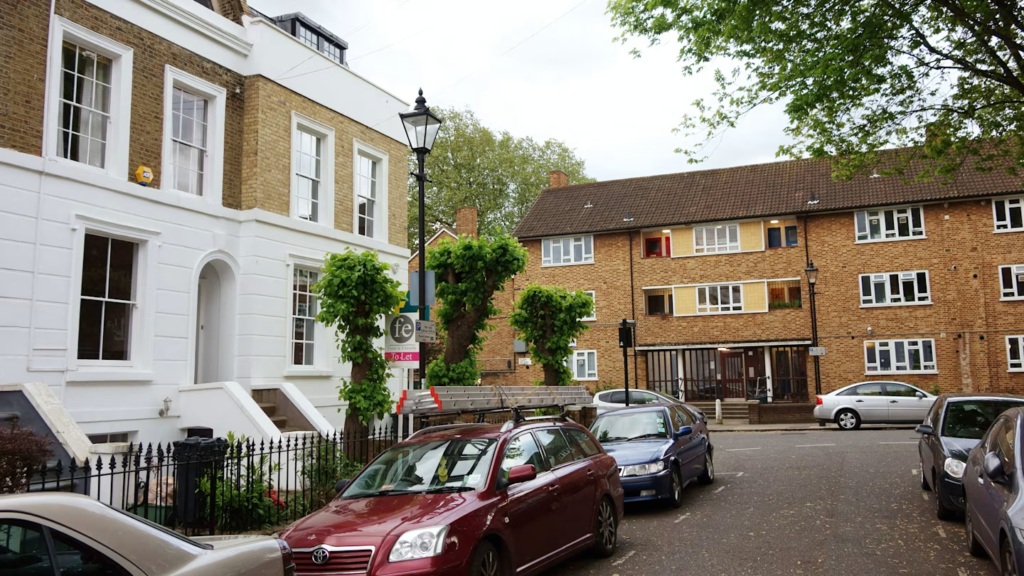
Gordon Ramsay Named Lead Presenter as BBC Brings Back Top Gear

The BBC is preparing to bring back its popular motoring programme Top Gear, with celebrity chef Gordon Ramsay announced as the leading presenter of its revamped edition. The decision marks an important development for the long-running television series, which has remained off air since production was halted following a serious accident involving former presenter Freddie Flintoff.

Ramsay will head a new presenting lineup when the programme returns in 2028. Production is expected to begin in 2027, with filming planned across various locations in the United Kingdom and overseas. The broadcaster has yet to disclose the names of the other presenters who will join the celebrity chef.

Although widely recognised for his successful culinary career, Ramsay has also developed a strong interest in automobiles and motorsport. His enthusiasm for cars began during his childhood, growing up near Silverstone, the renowned British racing circuit. Over the years, he has developed an impressive collection of luxury vehicles, including models from Ferrari, Aston Martin, Porsche and McLaren.

Ramsay has previously appeared on Top Gear as a guest, making his appointment a familiar connection for audiences who have followed the programme. His experience in television entertainment and his passion for motoring are expected to bring a different atmosphere to the returning series.

The chef has expressed enthusiasm about taking on the presenting responsibility, describing the opportunity as an exciting new chapter. He is expected to bring his recognisable personality to the programme while participating in the driving challenges, road trips and automotive features that have traditionally attracted viewers.

The show’s return follows a difficult period for the BBC production. Top Gear was suspended after Flintoff suffered a serious accident while filming at Dunsfold Aerodrome in Surrey in December 2022. The former England cricket captain was driving an open-topped Morgan Super 3 when the vehicle overturned, leaving him with significant injuries, including facial damage and broken ribs.

Flintoff required medical treatment following the incident and later spoke about the emotional and psychological difficulties he experienced during his recovery. He also revealed that he had been dealing with post-traumatic stress disorder. The accident prompted wider discussions about production safety and the risks associated with filming high-speed motoring challenges.

At the time, Flintoff presented the programme alongside comedian Paddy McGuinness and motoring journalist Chris Harris. Following the accident, the BBC decided against immediately continuing production, leaving the future of the established series uncertain.

The broadcaster is now preparing a fresh version that will retain several familiar elements. The returning programme is expected to feature demanding driving challenges, international journeys, vehicle reviews and entertaining automotive competitions. The mysterious professional test driver known as The Stig is also expected to remain part of the show.

Former presenter Richard Hammond has also attracted attention after revealing that he was approached about taking a leading position in the revived programme. However, he reportedly declined the offer, explaining that he did not wish to recreate the previous version of the series.

Hammond previously achieved international popularity alongside Jeremy Clarkson and James May. Their presenting partnership helped transform Top Gear into a major television success, with its combination of humour, adventurous road trips and unusual vehicle challenges attracting millions of viewers worldwide.

First introduced in 1977, the programme underwent a major transformation in 2002, eventually becoming one of the BBC’s most recognisable entertainment productions. Following Clarkson’s departure in 2015, several presenting teams attempted to maintain its popularity before Flintoff, McGuinness and Harris took over.

Ramsay’s selection signals another attempt to establish a new identity for the motoring show while preserving the entertainment qualities that made it successful. His appointment also brings together two areas of popular television: celebrity entertainment and automotive culture.

With filming expected to commence in 2027 and the programme scheduled to return the following year, audiences are awaiting further announcements about the complete presenting team.

The revival represents a significant opportunity for the BBC to restore one of its best-known television brands. However, the production will also face the challenge of rebuilding audience confidence while ensuring that safety remains a central consideration. Whether Ramsay can successfully lead the programme into a new era will become clearer when the revived series finally reaches television screens.

You can watch the video below

Ukraine Claims Strike on Russian Airbase Leaves Five Military Aircraft Damaged

Ukraine has claimed responsibility for an operation against a Russian military airfield, reporting that five military aircraft were hit during an overnight strike. The reported attack took place at Savasleyka airbase in Russia’s Nizhny Novgorod region between November 24 and 25, 2026, marking another attempt by Kyiv to weaken Moscow’s military aviation capabilities.

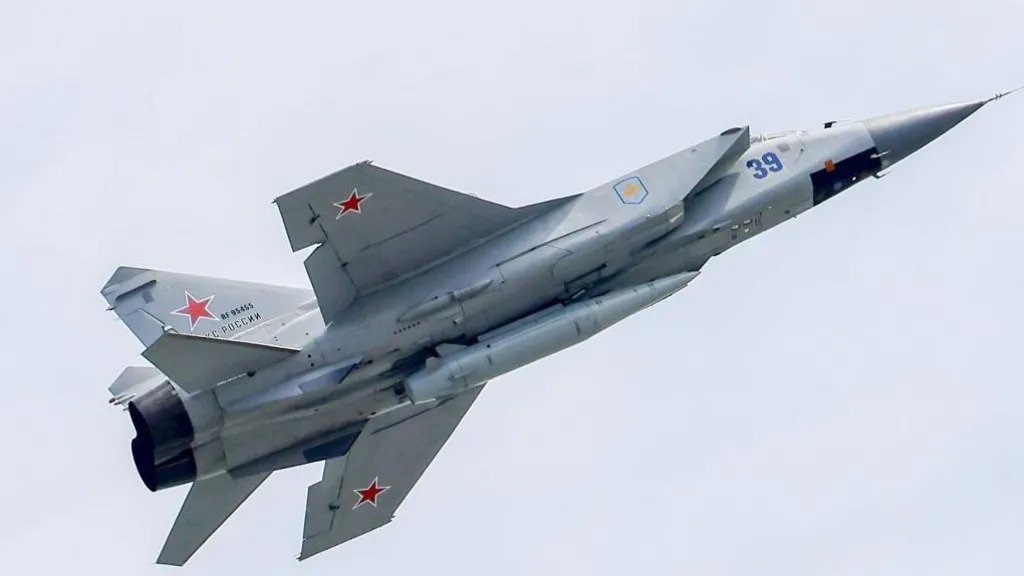
Ukraine’s General Staff stated that the operation damaged three MiG-31 fighter jets and two Su-34 fighter-bombers. According to the military announcement, the aircraft sustained damage that could leave them grounded for an extended period. However, officials indicated that assessments were continuing to establish the precise extent of the destruction.

The targeted installation is an important location for Russian military aviation, particularly because of its association with MiG-31 aircraft. Certain versions of these interceptors are capable of carrying Russia’s Kh-47M2 Kinzhal air-launched ballistic missiles, which have been used in attacks against Ukrainian territory.

The MiG-31 is designed for high-speed interception missions and has been adapted to support specialised missile operations. Its role in Russia’s long-range strike capabilities makes it a significant military asset. The Su-34, meanwhile, is primarily used for ground-attack operations and can carry different types of guided weapons. Losing access to aircraft from both categories could affect several aspects of Russia’s aerial operations.

Ukraine’s military described the airfield operation as part of a wider campaign against Russian military infrastructure. The reported targets extended beyond the aircraft stationed at Savasleyka, with additional strikes allegedly directed at radar installations, ammunition storage facilities and logistical sites.

Among the other locations mentioned by Ukrainian officials was a P-18 radar installation near Karavan-Solodkyi in the occupied Luhansk region. The system plays a role in identifying aerial threats and supplying information to Russian air defence networks. Disrupting such equipment could complicate efforts to monitor Ukrainian drone and missile activity.

Ukrainian forces also reported attacks against fuel and lubricant storage facilities, military supply centres and an ammunition depot in occupied areas of the Luhansk and Donetsk regions. These locations support the transportation of equipment, the movement of supplies and the continued operation of Russian military units.

The reported operation reflects Kyiv’s broader approach of targeting infrastructure that contributes directly to Russia’s military campaign. Rather than concentrating exclusively on positions along the front lines, Ukraine has increasingly conducted long-range operations against facilities deeper inside Russian-controlled territory.

Savasleyka airfield has previously attracted Ukrainian attention. Its importance to Russia’s military aviation and missile operations has made it a significant target during the conflict. Earlier reported attacks against the facility in 2024 and 2025 demonstrated Ukraine’s continued interest in disrupting Russian aircraft operations.

The latest development comes as both countries continue exchanging long-range attacks. Ukraine has expanded its use of drones to strike military installations, industrial facilities and other strategic locations inside Russia. Moscow, meanwhile, continues carrying out missile and drone operations against Ukrainian cities, energy infrastructure and military positions.

These developments have placed additional pressure on both countries’ military resources. For Ukraine, damaging aircraft and supply networks could help reduce the effectiveness of Russian operations. For Russia, protecting airfields and maintaining the availability of advanced military equipment remain important priorities.

Russian authorities had not immediately confirmed the reported damage to the five aircraft or provided an independent assessment of the operation. As a result, the full scale of the losses remains uncertain, and the claims made by Ukraine have yet to be independently verified.

Nevertheless, the reported strike highlights Kyiv’s continued efforts to challenge Russia’s military capabilities through attacks on strategically important installations. If confirmed, the damage could temporarily affect the availability of aircraft used for interception and ground-attack missions.

With fighting continuing across multiple regions, military airfields, radar systems and logistical networks remain important targets for both sides. The latest claims surrounding Savasleyka underline the growing importance of long-range operations in the ongoing Russia-Ukraine war.

You can watch the video below

Andy Taylor, the Guitarist Behind Duran Duran’s Biggest Hits, Dies Aged 65

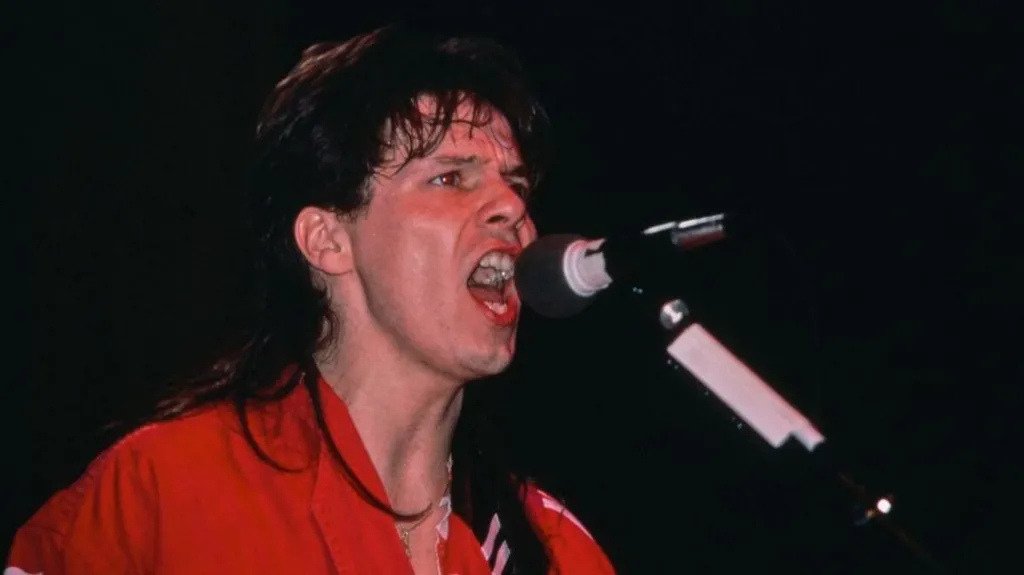
The music world is remembering Andy Taylor, the renowned guitarist who played a major role in shaping the sound of British pop-rock band Duran Duran. Taylor has died at the age of 65 after living with advanced prostate cancer. News of his passing was announced on November 25, 2026, prompting an outpouring of condolences from fellow musicians, fans and members of the entertainment industry.

Taylor reportedly died at his home on November 23, surrounded by his family. His death marks the end of a remarkable musical journey that helped establish Duran Duran as one of the most recognisable bands of the 1980s.

His wife, Tracey, paid tribute to the musician, remembering him as a devoted husband, caring father and loving grandfather. She reflected on the importance of family in his life, explaining that despite his success and international recognition, his loved ones remained at the centre of everything he did.

His former bandmates, Simon Le Bon, Nick Rhodes, John Taylor and Roger Taylor, also expressed their sadness over the loss. They recognised his contribution to the group’s development and described his musical talent as an important element of Duran Duran’s identity. His guitar performances helped give several of the band’s best-known recordings their distinctive sound.

Born in Tynemouth, Northumberland, in 1961, Taylor discovered his passion for music early in life. He began playing guitar at the age of 11 and gradually developed the skills that would eventually lead him towards a professional music career. His journey took a significant turn in 1980 when he joined Duran Duran in Birmingham, becoming part of the lineup that would achieve worldwide success.

The band’s popularity grew rapidly during the early 1980s, with Taylor contributing to several successful albums, including Duran Duran, Rio and Seven and the Ragged Tiger. Their music gained international attention through MTV, where visually distinctive videos helped introduce their songs to a much wider audience. Tracks such as Hungry Like the Wolf, Girls on Film, Rio and The Reflex became major hits and remain closely associated with the band’s legacy.

Taylor also explored opportunities outside Duran Duran. In 1985, he joined forces with bassist John Taylor, singer Robert Palmer and drummer Tony Thompson to form Power Station. The group’s debut album produced popular songs, including Some Like It Hot and Get It On (Bang a Gong), demonstrating his ability to work across different musical styles.

He later continued his career as a solo artist, releasing his first solo album, Thunder, in 1987. His professional achievements extended beyond performing, as he also worked as a songwriter and producer, collaborating with several established musicians, including Rod Stewart.

His relationship with Duran Duran evolved over the years. After leaving the group during the 1980s, he reunited with the original members in the early 2000s. Their reunion resulted in the release of Astronaut in 2004, bringing the original lineup back together for recording and performances. Taylor eventually stepped away from regular touring in 2006 but remained an important part of the band’s history.

Away from his musical achievements, Taylor faced a difficult personal battle after receiving a diagnosis of stage four metastatic prostate cancer in 2018. He publicly revealed his condition in 2022, explaining that his health had prevented him from attending Duran Duran’s induction into the Rock & Roll Hall of Fame. Although he could not attend the ceremony, a message expressing his affection for the band was shared with those present.

Despite his illness, Taylor continued to maintain his connection with music and his creative interests. His experience also helped bring greater public attention to the realities of living with advanced prostate cancer.

Following news of his death, fans and fellow musicians have reflected on the influence he had on British pop and rock music. His distinctive guitar performances, contributions to successful recordings and work with other artists established him as an important figure in the music industry.

Taylor is survived by his wife, four children and a grandson. As his family mourns his passing, his musical legacy continues through the songs and performances that introduced his talent to audiences across generations. His contribution to Duran Duran’s success remains a significant part of the band’s history and the wider story of 1980s music.

You can watch the video below

Police Arrest Two Suspects Over Alleged Intrusion at Prince William and Kate’s Norfolk Home

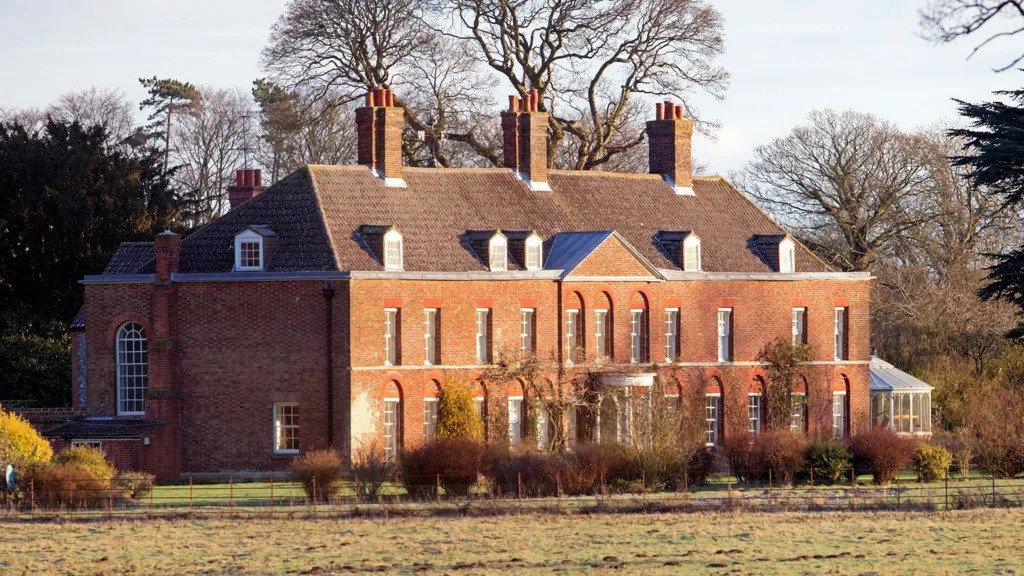
A suspected burglary at Anmer Hall, the Norfolk country residence of Prince William and Catherine, Princess of Wales, has resulted in the arrest of two men. The incident triggered a significant police operation at the Sandringham Estate, involving specialist officers and several search resources.

Norfolk Police received a report of suspicious activity shortly before 6pm on Monday, November 23. Officers subsequently attended the estate and began investigating the circumstances surrounding the alleged intrusion. Two men were later detained on suspicion of burglary and trespassing.

The arrests followed searches across the estate, with police deploying specialist teams, dogs, drones and a helicopter from the National Police Air Service. These resources assisted officers in examining the surrounding grounds and locating individuals potentially connected to the reported incident.

Authorities confirmed that both men were taken into custody while enquiries continued. However, details concerning their identities, the alleged method of entry and whether any possessions were stolen have not been publicly established.

The property involved has been identified as Anmer Hall, a 10-bedroom Georgian mansion located within the Sandringham Estate in Norfolk. The residence is associated with the Prince and Princess of Wales and has served as a private retreat for the family.

Importantly, the royal couple and their three children were not at the property when the incident reportedly occurred. Prince George, Princess Charlotte and Prince Louis were also absent, meaning no members of the immediate family were present during the alleged break-in.

The family currently uses Forest Lodge in Windsor as its primary home, although Anmer Hall continues to provide a private countryside setting for holidays and family visits.

The historic mansion holds particular significance for William and Catherine. Queen Elizabeth II gifted the property to the couple following their wedding in 2011. Since then, it has remained an important part of their family life, offering privacy away from their official engagements and public appearances.

Anmer Hall forms part of the wider Sandringham Estate, which is privately owned by King Charles III. The estate also contains Sandringham House, one of the monarch’s principal private residences. Its extensive grounds and multiple properties make security an important consideration for those responsible for protecting the royal household.

The suspected incident also attracted attention because it coincided with Prince William’s public engagement in London. On Tuesday, the Prince visited 10 Downing Street to meet Prime Minister Andy Burnham and discuss matters of shared interest.

Kensington Palace declined to provide a statement, maintaining its usual approach of not commenting on security arrangements involving the royal family. Police have also limited the information released while the investigation remains active.

The latest incident has renewed discussions about the protection of royal properties throughout Britain. Several security breaches have previously raised concerns about access to estates connected to the monarchy.

In December 2021, an individual carrying a crossbow entered the grounds of Windsor Castle while Queen Elizabeth II was staying inside. More recently, in 2024, intruders broke into an area of the Windsor Castle estate and stole agricultural vehicles. These incidents have demonstrated the difficulties involved in protecting large properties with extensive outdoor grounds.

Following the arrests at Anmer Hall, investigators are working to establish exactly what happened and how the suspects allegedly accessed the estate. Further enquiries will also determine whether anything was taken or whether additional individuals were involved.

Although the arrest of two men represents an important development, the investigation remains ongoing. No conclusions about their involvement have been established, and an arrest does not amount to proof of guilt.

Police are expected to release further information when appropriate as enquiries progress. Meanwhile, the incident has once again placed royal estate security under public scrutiny, despite the absence of the Prince and Princess of Wales and their children during the reported incident.

You can watch the video below

Moyin Odeniran Claims Great British Bake Off Title Following Exciting Final

Moyin Odeniran has emerged as the champion of the 2026 series of The Great British Bake Off, securing the coveted title after an intense final competition against fellow finalists Tom Whittaker and Mo Mahir. The 22-year-old Essex contestant impressed judges Paul Hollywood and Nigella Lawson with his baking abilities, creativity and determination, bringing the latest season of the popular television programme to a memorable close.

The final episode aired on Tuesday, November 24, marking the end of a challenging journey that began with twelve amateur bakers competing for a place in the famous white tent. After several weeks of demanding assignments, only three contestants managed to reach the final, where they faced a series of particularly difficult tests designed to determine the overall winner.

The concluding round required each finalist to demonstrate a combination of technical expertise, imagination and consistency. Their first assignment involved preparing a citrus celebration cake, with particular attention given to flavour, structure and presentation. The contestants then moved on to a technical challenge centred on crème brûlée doughnuts, requiring careful preparation and precision.

For the final showstopper, the bakers were tasked with creating elaborate designs inspired by well-known British landscapes. The assignment provided an opportunity for each finalist to demonstrate their personality through their baking while delivering an impressive centrepiece.

Although Tom, Mo and Moyin all produced commendable creations, Odeniran’s overall performance ultimately earned him the judges’ approval. His achievement was especially significant considering the difficulties he had encountered during the earlier stages of the competition.

Following the announcement, the young baker struggled to contain his excitement and admitted that winning the programme felt almost unbelievable. He described his experience as something he would always treasure, adding that the friendships formed during the competition had made the journey even more special.

The judges also recognised his considerable improvement throughout the series. Paul Hollywood highlighted how Odeniran had developed his confidence and technical abilities over time, despite facing challenges during the opening weeks. He particularly praised the quality of the winner’s celebration cake, describing it as an outstanding creation.

Nigella Lawson joined in congratulating the champion, acknowledging that the other finalists had also delivered impressive performances. The judges recognised the dedication and talent demonstrated by all three contestants, making the final decision particularly challenging.

Away from the competition, Odeniran was also managing his university education alongside his television commitments. The 22-year-old studied political economy at King’s College London and successfully completed his degree with a first-class result despite the demanding filming schedule.

His interest in baking developed during childhood. He began preparing food with his mother when he was just five years old, gradually building his knowledge and confidence in the kitchen. By the age of 14, he had already developed experience with more advanced techniques, including making macarons.

Odeniran’s Nigerian heritage has also played an important role in shaping his baking style. He frequently incorporates distinctive ingredients and flavours inspired by his background, giving his creations a personal touch and setting his approach apart from other contestants.

His progress throughout the series included several notable achievements. During Caramel Week, he secured the Star Baker recognition, while another memorable moment came when he received a Hollywood handshake after preparing a baked cheesecake alongside his mother. He also impressed the judges during a technical challenge with his Polish karpatka, a custard-filled choux pastry dessert.

With the competition now over, Odeniran is looking forward to exploring opportunities within the baking industry. He has expressed ambitions of developing his skills further and eventually becoming one of the world’s leading bakers.

His success represents an important milestone in his young career. From learning kitchen skills alongside his mother to becoming the latest champion of one of Britain’s best-known baking competitions, Odeniran’s journey has provided an inspiring conclusion to the 2026 season.

The series has once again celebrated the creativity and determination of amateur bakers, while introducing audiences to a new champion whose ambitions extend well beyond the competition tent.

You can watch the video below

Historic Steam Engine Failure Triggers Major Delays on West Coast Main Line

Rail passengers across parts of Britain experienced considerable disruption after a historic steam locomotive suffered a mechanical breakdown on the West Coast Main Line, resulting in delays to dozens of services and the temporary closure of a section of railway near Lockerbie, Scotland.

The incident happened on Saturday evening, November 21, while a heritage steam train was travelling from Edinburgh to York through Carlisle. The locomotive, known as Galatea and also carrying the name Sierra Leone, is approximately 90 years old and was transporting around 350 passengers as part of a charter excursion organised by the Railway Touring Company.

During the journey near Kirtlebridge, several mechanical components became detached from the locomotive and landed on the railway tracks. Among the damaged parts were a connecting rod, slide bar and cylinder cover. A freight train later passed over the debris, raising concerns about the possibility of damage to railway equipment and surrounding infrastructure.

Network Rail responded by temporarily suspending services along a 25-mile stretch between Lockerbie and Carlisle. The closure was introduced at approximately 8pm to give engineering teams sufficient time to inspect the affected area and establish whether the tracks remained safe for other trains.

The railway section reopened at around 10.30pm after engineers completed their initial assessments. However, the temporary suspension had already affected numerous services operating along the important railway connection between England and Scotland.

Network Rail reported that 41 trains were disrupted by the incident. Several Avanti West Coast services experienced delays, with some trains travelling between London and Glasgow arriving as much as three hours behind schedule. Another service heading from London towards Edinburgh was unable to complete its planned journey and instead terminated at Carlisle.

Passengers aboard the affected heritage excursion also faced an extended journey. To avoid further disruption, operators arranged for a diesel locomotive to assist the train. The replacement engine was attached to the rear of the service and helped transport passengers towards their final destination. The train eventually reached York at 2.23am, approximately three hours later than expected.

Following the incident, railway engineers examined the tracks and identified limited damage to several sleepers and sections of railway equipment. Repair operations were carried out overnight, with additional checks scheduled for Sunday morning to confirm that the infrastructure could safely accommodate regular train movements.

Network Rail subsequently confirmed that the necessary repairs had been completed and the affected route was safe to reopen. The organisation also acknowledged the inconvenience caused to passengers and thanked engineering teams for working to restore normal operations.

West Coast Railways, which operates the historic engine, confirmed that the locomotive had experienced a mechanical problem. The company’s commercial manager, James Shuttleworth, explained that the damage was assessed before the charter service continued towards Carlisle with diesel assistance. The steam engine was subsequently removed from operation.

The locomotive is expected to be transported back to its base in Carnforth, where specialists will conduct a detailed technical examination. The assessment will focus on identifying what caused the mechanical components to detach and determining the extent of the damage. Any necessary repairs will be completed before the locomotive is considered suitable for another journey.

The Rail Accident Investigation Branch has also confirmed that it is making enquiries into the circumstances surrounding the incident. Further examination may establish whether additional investigative measures are required.

The breakdown has once again highlighted the difficulties associated with operating heritage locomotives on Britain’s modern railway network. Although historic steam trains attract considerable interest from railway enthusiasts and tourists, maintaining their mechanical condition is essential, particularly when they operate alongside busy passenger and freight services.

While the disruption was resolved within a few hours, the incident demonstrated how a single mechanical failure can affect railway operations across a much wider area. With the infrastructure repaired and services restored, attention has now shifted towards determining the exact cause of the locomotive’s failure and ensuring that appropriate measures are taken before it returns to operation.

You can watch the video below

Rowan Atkinson Trades Traditional Oxfordshire Home for a Striking Modernist Mansion

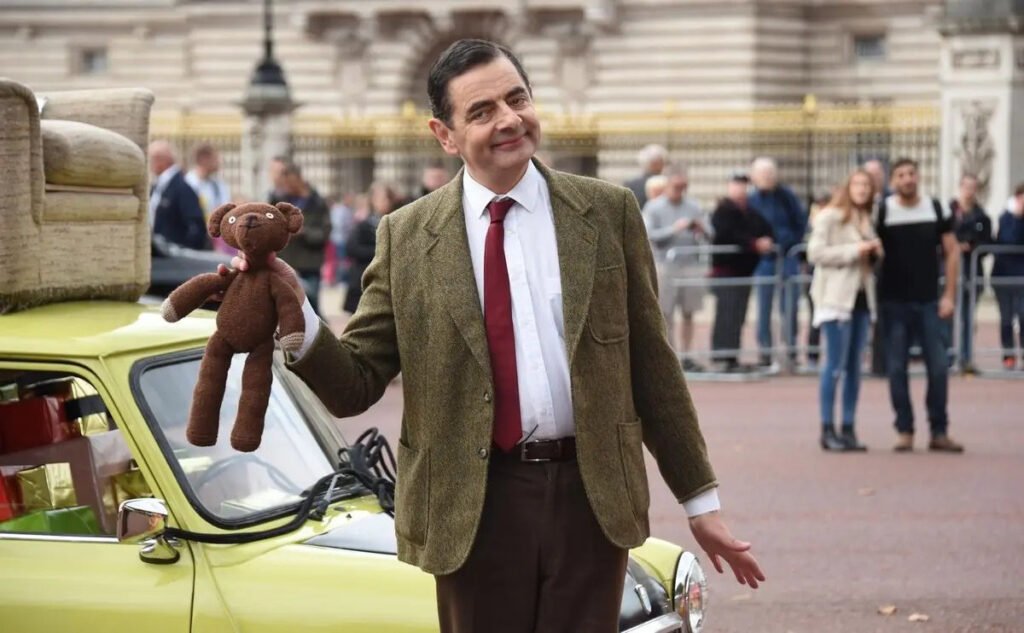
British comedian and actor Rowan Atkinson, internationally recognised for his unforgettable portrayal of Mr Bean, has made headlines for his remarkable residential transformation in Oxfordshire. The entertainer replaced a conventional countryside property with an unconventional modernist mansion, featuring extensive glass panels, striking geometric details and a minimalist architectural style. The development, which took several years to complete, attracted considerable attention because of its controversial design and the objections it encountered during the planning process.

The story began in 2006, when Atkinson and his former wife, Sunetra Sastry, purchased Handsmooth House near Ipsden in Oxfordshire. The property reportedly cost approximately £2.6 million and occupied an estate spanning around 16 acres. Rather than preserving the existing 1930s residence, Atkinson pursued an ambitious plan to construct an entirely new home that reflected his appreciation for contemporary architecture.

To bring his vision to life, the actor enlisted American architect Richard Meier, an internationally respected designer known for projects such as the Getty Center in Los Angeles. His proposed design introduced a dramatic combination of steel, concrete and glass, creating a sharp contrast with the traditional buildings commonly found throughout the surrounding countryside.

However, the architectural proposal did not receive universal approval. Local residents raised objections, arguing that the futuristic structure would disrupt the appearance of the rural landscape. The development also attracted scrutiny because the estate was situated within an Area of Outstanding Natural Beauty, where construction proposals are subject to additional planning considerations.

Some opponents reportedly compared the proposed residence to a space-age petrol station, expressing concerns about its extensive glazing, unusual shape and prominent white exterior. Planning officers also recommended rejecting the initial application, citing concerns about the building’s visual impact on the surrounding environment.

Despite the resistance, Atkinson continued pursuing the project. Following the planning process, South Oxfordshire District Council granted permission for the development in 2010. The approval cleared the way for the original house to be demolished and replaced with the contemporary structure.

Construction subsequently moved forward, with the completed residence covering approximately 954 square metres of internal floor space. Its architectural design features expansive windows, clean lines and carefully arranged living spaces that allow natural light to enter throughout the property. A separate guest accommodation building and recreational facilities, including a tennis court, also form part of the wider estate.

Meier’s approach placed considerable emphasis on connecting indoor living spaces with the surrounding natural environment. Large glass sections provide views of the countryside, while the building’s minimalist appearance distinguishes it from conventional English country houses.

The construction work was completed in March 2016, following several years of development. Despite the controversy surrounding its original design, the property eventually received professional recognition. In 2017, it won a regional award from the Royal Institute of British Architects, highlighting its architectural quality and innovative approach.

Although the mansion had been completed several years earlier, reports indicate that Atkinson moved into the residence in 2022. This brought an end to a lengthy process that began with the purchase of the original estate in 2006.

The property has since become an interesting example of modern architecture within a traditional countryside setting. While its distinctive appearance continues to divide opinion, its development illustrates the challenges involved in introducing contemporary residential designs into protected rural landscapes.

Atkinson’s Oxfordshire residence is therefore more than a celebrity property story. It represents a long-term architectural ambition shaped by planning disputes, public criticism and an unconventional design vision. The transformation of an ordinary country house into a striking modernist mansion ultimately created one of the region’s most recognisable contemporary residential properties.

You can watch the video below

Calls Grow for Complete Overhaul of Council Tax and Stamp Duty in England

Growing criticism of the United Kingdom’s property tax system has renewed demands for major changes to council tax and stamp duty. Campaigners and members of Parliament argue that the existing arrangements are outdated, increasingly unfair and no longer suitable for the country’s changing housing market. They are urging the government to reconsider both taxes and introduce a system that distributes the financial burden more fairly among homeowners.

The issue gained further attention following a parliamentary debate on November 23, 2026, after a petition organised by the Fairer Share campaign received more than 100,000 signatures. The campaign is calling for an independent examination of the current taxation framework, with the aim of identifying alternatives that better reflect modern property values and household circumstances.

Council tax has become a particular source of frustration because property valuations in England are still calculated using figures from April 1991. More than three decades of changes in the housing market have left many properties in tax bands that critics believe no longer represent their actual value. As a result, households living in relatively modest properties can sometimes pay more proportionately than those occupying significantly more expensive homes.

Research by the Institute for Fiscal Studies has also drawn attention to these inequalities. Its analysis indicates that the existing council tax bands do not accurately reflect the relative values of many properties. Differences in regional house prices have further complicated the situation, creating concerns about whether households are contributing an appropriate amount.

Stamp duty is facing criticism for its impact on property transactions. Buyers must pay the tax when purchasing a home, adding another substantial expense to an already expensive process. Critics argue that this discourages people from moving, even when relocating could improve their employment prospects or provide more suitable accommodation.

The financial implications can also affect older homeowners who want to sell larger properties and move into smaller homes. Some may decide against downsizing because of the additional costs involved. Younger buyers, particularly those attempting to purchase their first property, also face difficulties as stamp duty adds to the financial challenges of entering the housing market.

During the parliamentary discussion, Liberal Democrat MP Jamie Stone was among those highlighting the need to reconsider the existing arrangements. Supporters of reform believe that an independent review could help establish whether both taxes should be replaced with a more straightforward system.

One alternative being discussed is a proportional property tax based on the current market value of residential homes. Under such an arrangement, annual contributions would be linked more closely to the value of individual properties. Advocates believe this could reduce the financial obstacles associated with moving house while creating a more consistent approach to property taxation.

However, introducing such a system would also create challenges. Homeowners with high-value properties, particularly in London and south-east England, could face larger annual bills. There are also concerns about people who own expensive homes but have limited disposable income. Allowing certain homeowners to postpone payments until their property is sold has been suggested as a possible way to prevent financial hardship.

The government has maintained that property taxes provide important funding for local authorities and public services. Any substantial changes would therefore need to consider how councils could continue receiving the revenue required to maintain essential services.

Ministers have also announced plans for a High Value Council Tax Surcharge, which is scheduled to take effect in April 2028. The measure will introduce additional annual charges for residential properties in England valued above £2 million, with higher payments applying to more expensive homes. Nevertheless, campaigners argue that this measure does not resolve the wider structural problems associated with council tax.

Although the parliamentary discussion has increased attention on the issue, no final decision has been made to abolish either tax or introduce a replacement system. The government would need to consider the economic consequences, administrative requirements and potential impact on different groups of homeowners before proceeding.

The growing calls for change have placed Britain’s housing taxation system under renewed scrutiny. Campaigners maintain that a complete reassessment is necessary to create a fairer structure, reduce barriers to moving home and ensure that property owners contribute according to a more accurate measure of their wealth.

You can watch the video below