Rail passengers across parts of Britain experienced considerable disruption after a historic steam locomotive suffered a mechanical breakdown on the West Coast Main Line, resulting in delays to dozens of services and the temporary closure of a section of railway near Lockerbie, Scotland.
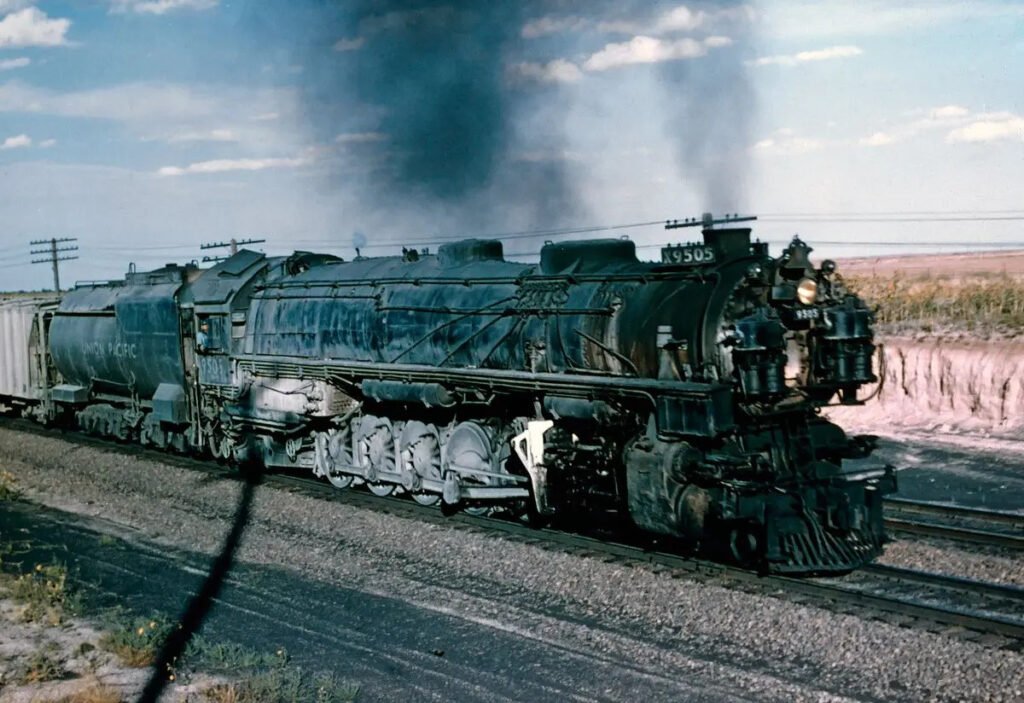
The incident happened on Saturday evening, November 21, while a heritage steam train was travelling from Edinburgh to York through Carlisle. The locomotive, known as Galatea and also carrying the name Sierra Leone, is approximately 90 years old and was transporting around 350 passengers as part of a charter excursion organised by the Railway Touring Company.
During the journey near Kirtlebridge, several mechanical components became detached from the locomotive and landed on the railway tracks. Among the damaged parts were a connecting rod, slide bar and cylinder cover. A freight train later passed over the debris, raising concerns about the possibility of damage to railway equipment and surrounding infrastructure.
Network Rail responded by temporarily suspending services along a 25-mile stretch between Lockerbie and Carlisle. The closure was introduced at approximately 8pm to give engineering teams sufficient time to inspect the affected area and establish whether the tracks remained safe for other trains.
The railway section reopened at around 10.30pm after engineers completed their initial assessments. However, the temporary suspension had already affected numerous services operating along the important railway connection between England and Scotland.
Network Rail reported that 41 trains were disrupted by the incident. Several Avanti West Coast services experienced delays, with some trains travelling between London and Glasgow arriving as much as three hours behind schedule. Another service heading from London towards Edinburgh was unable to complete its planned journey and instead terminated at Carlisle.
Passengers aboard the affected heritage excursion also faced an extended journey. To avoid further disruption, operators arranged for a diesel locomotive to assist the train. The replacement engine was attached to the rear of the service and helped transport passengers towards their final destination. The train eventually reached York at 2.23am, approximately three hours later than expected.
Following the incident, railway engineers examined the tracks and identified limited damage to several sleepers and sections of railway equipment. Repair operations were carried out overnight, with additional checks scheduled for Sunday morning to confirm that the infrastructure could safely accommodate regular train movements.
Network Rail subsequently confirmed that the necessary repairs had been completed and the affected route was safe to reopen. The organisation also acknowledged the inconvenience caused to passengers and thanked engineering teams for working to restore normal operations.
West Coast Railways, which operates the historic engine, confirmed that the locomotive had experienced a mechanical problem. The company’s commercial manager, James Shuttleworth, explained that the damage was assessed before the charter service continued towards Carlisle with diesel assistance. The steam engine was subsequently removed from operation.
The locomotive is expected to be transported back to its base in Carnforth, where specialists will conduct a detailed technical examination. The assessment will focus on identifying what caused the mechanical components to detach and determining the extent of the damage. Any necessary repairs will be completed before the locomotive is considered suitable for another journey.
The Rail Accident Investigation Branch has also confirmed that it is making enquiries into the circumstances surrounding the incident. Further examination may establish whether additional investigative measures are required.
The breakdown has once again highlighted the difficulties associated with operating heritage locomotives on Britain’s modern railway network. Although historic steam trains attract considerable interest from railway enthusiasts and tourists, maintaining their mechanical condition is essential, particularly when they operate alongside busy passenger and freight services.
While the disruption was resolved within a few hours, the incident demonstrated how a single mechanical failure can affect railway operations across a much wider area. With the infrastructure repaired and services restored, attention has now shifted towards determining the exact cause of the locomotive’s failure and ensuring that appropriate measures are taken before it returns to operation.
You can watch the video below