More Newborns Are Missing a Vital Vitamin K Shot That Protects Against Life-Threatening Bleeding

An increasing number of newborns are going without a vitamin K injection that helps protect them from potentially fatal bleeding complications. The growing trend has attracted attention from pediatricians and healthcare researchers, who warn that skipping this routine preventive treatment could expose infants to serious health risks during their earliest months of life.

Vitamin K is an essential nutrient that helps the body produce proteins responsible for blood clotting. Without sufficient amounts, the body may struggle to stop bleeding after an injury or internal complication. Although adults and older children generally obtain vitamin K through their diets, newborns naturally begin life with very limited reserves of the nutrient.

This is partly because only small amounts of vitamin K pass from the mother to the baby during pregnancy. Additionally, breast milk contains relatively low concentrations of the vitamin, meaning that infants who are exclusively breastfed may remain vulnerable to deficiency without preventive supplementation.

To reduce these risks, medical professionals have recommended administering a vitamin K injection shortly after birth. The practice has been part of standard newborn care for decades and has played a significant role in preventing vitamin K deficiency bleeding, a potentially dangerous condition that can develop without obvious warning signs.

However, recent research suggests that parental refusals of the injection are becoming more common. Analyses of millions of infant medical records in the United States have identified a growing proportion of newborns without documented vitamin K administration. The findings have raised concerns about the possibility of preventable bleeding complications becoming more frequent.

Vitamin K deficiency bleeding can develop at several stages of infancy. Some cases appear within the first day after delivery, while others occur during the first week. Late-onset cases can emerge between two weeks and six months after birth, sometimes affecting babies who previously appeared perfectly healthy.

The condition can cause bleeding in different parts of the body, including the digestive system and brain. The most severe cases may result in seizures, permanent neurological damage, developmental complications or death. Doctors are particularly concerned about internal bleeding because parents may not notice symptoms until the condition has become serious.

Several factors may be influencing parents’ decisions to decline the injection. Misinformation circulating online, growing distrust of medical recommendations and concerns about exposing newborns to medical interventions have contributed to hesitation among some families. Others question whether the treatment is necessary or consider alternative methods of providing vitamin K.

Nevertheless, pediatric specialists emphasize that the injection is not a vaccine. It is a preventive vitamin treatment designed to provide newborns with adequate protection against deficiency-related bleeding. A single intramuscular dose offers reliable protection during a particularly vulnerable period of development.

The American Academy of Pediatrics has recommended vitamin K injections for newborns since 1961. Medical experts continue to support the recommendation because the treatment has demonstrated substantial effectiveness in preventing serious bleeding complications. Although oral vitamin K preparations are used in certain countries, they generally require repeated doses and may not provide protection as consistently as the injection.

Healthcare professionals are increasingly encouraging expectant parents to discuss vitamin K administration during prenatal appointments. Doctors believe that explaining how the treatment works, why newborns need it and what complications may arise without it can help families make informed healthcare decisions.

Public health specialists also highlight the importance of addressing misleading information through accessible and reliable medical guidance. They encourage parents to consult qualified healthcare providers rather than relying on unverified claims circulating on social media.

Although vitamin K deficiency bleeding is relatively uncommon, its potential consequences make prevention especially important. The increasing number of newborns missing the injection has renewed discussions about parental awareness, medical communication and the importance of established newborn care practices.

As healthcare providers continue addressing the issue, improving education about vitamin K remains a key priority. Pediatricians stress that ensuring babies receive recommended preventive care can help reduce avoidable complications and provide essential protection during the first months of life.

You can watch the video below

FDA Introduces New Vision Loss Warnings for Popular Weight-Loss Drugs Ozempic and Zepbound

The U.S. Food and Drug Administration (FDA) has announced updated safety requirements for several widely used diabetes and weight-management medications, including Ozempic, Wegovy, Mounjaro and Zepbound. The move comes after growing concerns about a possible association between these treatments and a rare eye disorder that may result in sudden vision loss and potentially permanent damage.

The regulatory update, announced on November 9, 2026, requires manufacturers of glucagon-like peptide-1 (GLP-1) medications to include additional information about a condition known as non-arteritic anterior ischemic optic neuropathy (NAION) in their product safety labels.

NAION occurs when blood supply to the optic nerve becomes insufficient, potentially damaging the nerve responsible for transmitting visual information to the brain. The condition generally affects one eye and can cause sudden, painless deterioration in vision. Some individuals may notice symptoms after waking up, while others experience blurred vision, blind spots, distorted colors or missing areas within their field of sight.

In certain cases, the damage can be permanent, making early recognition and medical evaluation particularly important. There is currently no established treatment that can reliably reverse vision loss caused by NAION.

The FDA’s decision follows an examination of available scientific evidence, including clinical trials, observational research, animal studies and reports collected through medication safety monitoring. Investigators identified instances of the condition among people using GLP-1 medications, prompting regulators to examine the potential risks associated with this category of treatment.

Concerns surrounding the issue initially gained attention following research published in 2024. The study suggested a possible relationship between semaglutide, the active ingredient in Ozempic and Wegovy, and an increased risk of developing NAION. However, researchers cautioned that the findings did not establish that the medication directly caused the condition.

Additional evidence from an analysis of 126 clinical trials also indicated a difference in reported cases. The estimated occurrence of NAION was approximately 6.4 cases per 100,000 person-years among individuals receiving GLP-1 medications, compared with 3.8 cases per 100,000 person-years among participants receiving placebos or alternative diabetes treatments.

Despite the findings, regulators emphasized that NAION remains an uncommon complication. Establishing a direct connection is also challenging because many people taking these medications already have medical conditions, such as diabetes and high blood pressure, which are independently associated with an increased likelihood of developing the eye disorder.

The updated safety requirements cover multiple medications used to regulate blood sugar and support weight reduction. These include semaglutide-based products such as Ozempic, Wegovy and Rybelsus, alongside tirzepatide treatments Mounjaro and Zepbound. Other approved medications within the GLP-1 category are also subject to the regulatory update.

Healthcare professionals are being encouraged to inform patients about the potential warning signs and assess unusual visual symptoms promptly. Individuals experiencing sudden changes in eyesight, unexplained blurriness or unexpected vision loss should seek immediate medical attention rather than waiting for symptoms to improve.

Patients who develop NAION while taking these medications are advised to discuss their treatment options with their doctors. Healthcare providers may consider discontinuing the medication after evaluating the patient’s individual circumstances and weighing the potential benefits against the risks.

However, the FDA’s announcement does not mean that everyone currently using Ozempic, Zepbound or similar treatments should stop taking them. Patients are encouraged to consult their healthcare providers before making changes to prescribed medication.

GLP-1 treatments have become increasingly popular because of their ability to improve blood sugar control, regulate appetite and support weight management. Their expanding use has also brought greater attention to questions surrounding their long-term safety and possible complications.

The latest regulatory action reflects the FDA’s effort to strengthen medication safety information and improve awareness among patients and medical professionals. As additional research continues, understanding the possible relationship between these treatments and rare vision complications remains an important priority.

For now, regulators are emphasizing early detection, proper medical supervision and informed treatment decisions. The updated warnings are intended to ensure that patients can continue discussing the benefits of these medications while remaining aware of potential health concerns.

You can watch the video below

New Study Raises Concerns Over Energy Drink Consumption and Cardiac Arrest in Young Adults

The growing popularity of energy drinks and stimulant-based supplements has sparked renewed health concerns after researchers identified a possible connection between these products and serious cardiovascular complications. A recent investigation has highlighted reports of cardiac arrest, heart attacks and irregular heart rhythms among consumers, particularly younger individuals.

The study was conducted by researchers at the University of Virginia School of Medicine, who examined adverse health reports submitted to the US Food and Drug Administration (FDA) between 2017 and 2025. Their findings revealed a noticeable difference in the frequency of reported cardiovascular complications involving products containing caffeine and other stimulants.

Researchers reviewed 28,345 reports of suspected adverse events. Of these, 854 were associated with energy drinks and dietary supplements containing caffeine or additional stimulant ingredients. The remaining 27,491 reports involved products without these substances.

Cardiac arrest was among the most concerning findings. It appeared approximately 11 times more frequently in reports involving stimulant-containing products than in those associated with products without such ingredients.

The researchers also identified higher reporting rates for other heart-related conditions. Heart attacks appeared around 4.5 times more frequently, while ventricular arrhythmias and heart palpitations were reported approximately four times more often. Additional symptoms included unusually rapid heartbeats, chest discomfort and episodes of fainting.

Young people accounted for a considerable share of the cardiovascular reports. Around 45% of the cases involving stimulant-containing products concerned individuals aged between 18 and 34. The finding has attracted attention because serious cardiac emergencies are generally less common among younger populations.

Energy drinks are widely consumed by students, working professionals and individuals involved in physical training. They are commonly advertised as products that improve alertness, concentration and stamina. However, their ingredients and stimulant concentrations can differ significantly depending on the manufacturer and product formulation.

The investigation considered several substances commonly found in these beverages and supplements. Apart from caffeine, researchers examined ingredients such as guarana, yerba mate, green tea extracts, synephrine and yohimbine. Some of these compounds are also included in pre-workout formulas and supplements marketed for weight management.

Medical professionals have long raised concerns about excessive stimulant consumption because it can affect blood pressure, heart rate and the electrical signals that regulate the heartbeat. In certain circumstances, these effects may contribute to abnormal heart rhythms, particularly among people with existing cardiovascular conditions or increased sensitivity to stimulants.

The American Heart Association generally considers daily caffeine consumption of up to 400 milligrams acceptable for most healthy adults. However, individual tolerance varies, and consuming several caffeinated products throughout the day can lead to excessive intake. Combining energy drinks with other stimulant-based supplements may increase exposure further.

Despite the findings, researchers have clarified that the study does not prove that energy drinks directly cause cardiac arrest or other serious heart conditions. The investigation relied on voluntarily submitted safety reports, meaning it cannot establish the actual risk among all consumers. Other factors, including existing medical conditions, medications and lifestyle habits, may also have contributed to the reported complications.

The research findings are expected to be presented during the American Heart Association’s Scientific Sessions 2026 in Chicago, scheduled for November 6 to 9. Further investigation and independent scientific review will be important in understanding the possible relationship between stimulant consumption and cardiovascular health.

Researchers are encouraging healthcare professionals to ask patients about their energy drink and supplement habits, especially when younger individuals experience symptoms such as chest pain, dizziness, fainting or unusual heart palpitations.

The findings have also brought attention to the importance of consumer awareness and clearer understanding of product ingredients. Although additional evidence is needed, researchers believe that monitoring stimulant intake and recognizing potential warning signs should remain important public health priorities.

With energy drinks continuing to attract younger consumers, the study adds to ongoing discussions about their safety and the possible consequences of excessive caffeine consumption.

You can watch the video below

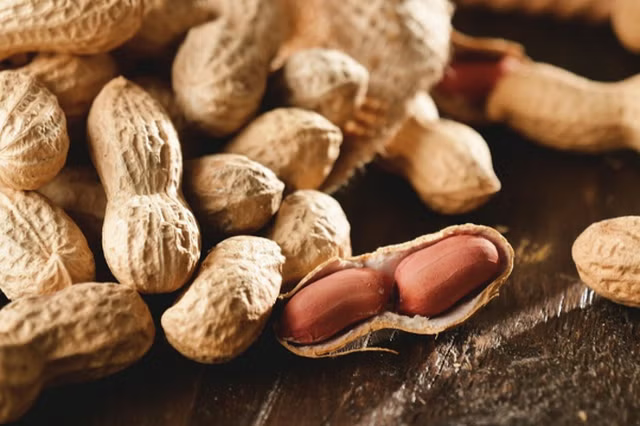
A Handful of Peanuts a Day May Support Cognitive Health in Older Adults

Maintaining brain function during later life may be influenced by everyday food choices, according to emerging nutritional research. Peanuts, a familiar and inexpensive snack, are receiving attention from scientists after studies suggested that consuming them regularly could benefit blood circulation in the brain and support certain memory-related abilities.

Researchers from Maastricht University Medical Center in the Netherlands investigated the potential relationship between peanut consumption and cognitive health in older individuals. Their findings contribute to wider scientific discussions about how nutrition may influence the ageing process and help maintain normal brain activity.

The study, published in the journal Clinical Nutrition in 2025, involved 31 healthy adults aged between 60 and 75. Participants incorporated approximately 60 grams of unsalted, skin-roasted peanuts into their daily diets for 16 weeks. Scientists subsequently assessed changes in their cerebral circulation and memory performance.

The results revealed improvements in blood circulation throughout the brain following the dietary intervention. Overall cerebral blood flow increased by approximately 3.6 per cent, while circulation in grey matter improved by around 4.5 per cent.

Researchers also recorded positive changes in verbal memory. Participants demonstrated an improvement of approximately 5.8 per cent in delayed recall, an ability that involves remembering information after some time has passed.

Memory plays an essential role in everyday activities, from recognising familiar faces to remembering conversations and retaining new information. Although some cognitive changes naturally accompany ageing, maintaining healthy brain function remains an important consideration for older populations.

Scientists suggest that improved blood circulation may be one possible explanation for the observed results. The brain depends on a steady supply of oxygen and nutrients to carry out its activities. Efficient circulation helps deliver these resources to brain cells and supports the communication required for normal cognitive functioning.

Peanuts contain several nutritional components that make them a valuable addition to a balanced diet. They provide plant-based protein, fibre, vitamin E, unsaturated fats and essential minerals. These nutrients contribute to various bodily functions, while their antioxidant compounds have also attracted scientific interest.

Another aspect being explored is the connection between insulin activity and brain health. Insulin is widely known for controlling blood glucose levels, but it also contributes to processes within the nervous system. Appropriate insulin signalling helps regulate communication between nerve cells and supports functions associated with learning and memory.

Further research published in Food & Function in October 2026 explored how daily peanut consumption might influence insulin responsiveness in the brains of older adults. The findings indicated changes in insulin-related activity within particular brain regions, including areas involved in memory processing.

One region of particular interest is the hippocampus, which plays a major role in learning and the formation of memories. Its functioning is important because changes in this area have been linked to age-related cognitive difficulties and neurological conditions.

Despite the encouraging findings, researchers stress that further investigation is necessary. The studies involved relatively small participant groups and examined the effects of peanut consumption over a limited timeframe. Larger trials and longer observation periods will be required to determine whether similar outcomes occur across broader populations.

Importantly, the research does not establish that peanuts can prevent Alzheimer’s disease, eliminate dementia or reverse existing memory problems. Brain health is influenced by several interconnected factors, including genetics, physical activity, sleep quality, cardiovascular wellbeing and overall dietary habits.

Nevertheless, the findings add to growing evidence that nutritious foods may contribute to healthy ageing. Unsalted peanuts can be enjoyed alongside fruits, vegetables, whole grains and other nutrient-rich foods as part of a varied eating routine.

People with peanut allergies should avoid consuming them, while individuals with specific nutritional requirements should seek appropriate dietary guidance.

Overall, the research offers an interesting perspective on the possible relationship between a simple daily snack and cognitive wellbeing. Although peanuts cannot guarantee protection against memory loss, their potential effects on cerebral circulation and memory performance provide an encouraging direction for future scientific studies.

You can watch the video below