A proposed overhaul of how news is presented on social media has sparked disagreement between the United Kingdom and the Trump administration, with Washington questioning plans that could give established news organizations greater prominence across digital platforms.
The UK government is considering measures designed to make content from selected trusted news providers more visible to audiences using social networks and video-sharing services. The proposal is aimed at adapting the country’s public-service media system to changing patterns of news consumption, as increasing numbers of people rely on online platforms rather than traditional television and print outlets.
Public-service broadcasters such as the BBC, ITV, Channel 4 and Channel 5 could be among the organizations benefiting from the proposed changes. The government has said the measures are intended to ensure that audiences can continue to access reliable news as the media environment becomes increasingly dominated by digital platforms.
Under the proposal, qualifying news content could receive greater prominence through platform features or algorithms. The government argues that such measures could make established sources easier to locate and help audiences distinguish reliable journalism from inaccurate or misleading material.
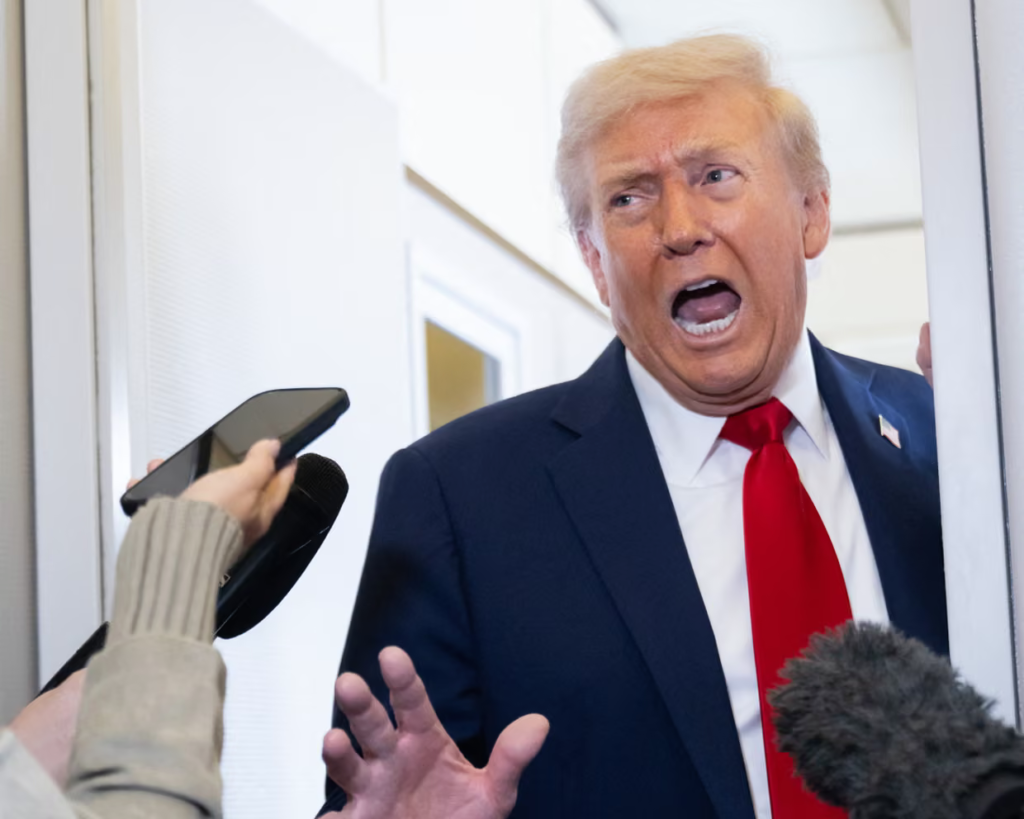
Washington has taken a different view of the proposal. The Trump administration has expressed concern about government involvement in determining which media organizations should receive preferential treatment online. U.S. officials have questioned whether rules designed to promote selected outlets could interfere with the principle of free expression.
One of the central issues is the definition of a “trusted” news provider. Determining which organizations qualify for greater visibility could give policymakers an influence over the information audiences encounter, critics argue. The concern becomes more significant because many of the platforms potentially affected by the rules are operated by U.S.-based technology companies.
The disagreement therefore extends beyond Britain’s domestic media landscape. Any new requirements imposed on social-media and video-sharing services could affect large American technology companies that operate throughout the UK.
British officials have defended the proposed approach as an effort to modernize public-service media rather than restrict alternative sources of information. The Department for Culture, Media and Sport launched a consultation on the plans, inviting responses on how trusted news could be made more discoverable while maintaining a diverse media environment.
The government has pointed to major changes in audience behavior as a reason for considering the reforms. Younger audiences in particular increasingly encounter news through social networks, streaming services and online video platforms. Traditional broadcasters consequently face a different competitive environment from the one that existed when television was the dominant source of news.
The proposals could also affect the broader structure of public-service media in Britain. Officials are examining whether additional broadcasters and online services should be able to qualify for public-service status, potentially widening the range of organizations eligible for certain benefits.
Critics in Britain have also raised questions about the potential consequences. Some worry that giving established organizations greater prominence could make it harder for independent publishers, smaller outlets and individual creators to compete for attention online.
Supporters of the proposal counter that established journalism faces a growing challenge in reaching audiences when algorithms determine much of what users see. From that perspective, increased prominence could help audiences find reporting from organizations that already operate under recognized editorial and regulatory standards.
The dispute comes amid a broader international debate over the responsibilities of social-media companies and the role governments should play in shaping online information. Questions surrounding misinformation, platform algorithms and freedom of expression have become increasingly prominent as news consumption moves further into the digital sphere.
The UK measures have not yet become a fully implemented system. The government is reviewing feedback from its consultation before determining what steps, if any, should follow.
For Washington, the issue raises questions about the limits of government involvement in online news distribution. For London, it reflects an effort to adapt public-service broadcasting to a rapidly changing media market.
The disagreement could therefore become part of a wider conversation between the two countries about digital regulation, media freedom and how news should reach audiences in the social-media era.