
Supreme Court Upholds Decision to Scrap Plea Deal for Accused 9/11 Plotter

The U.S. Supreme Court has declined to consider an appeal seeking to reinstate a plea agreement for Khalid Sheikh Mohammed, the accused architect of the September 11, 2001, terrorist attacks. The decision leaves in place a lower court ruling that permitted the cancellation of the agreement, keeping the possibility of capital punishment open as the prosecution moves toward trial.

Mohammed and two co-defendants had asked the nation’s highest court to restore agreements negotiated in 2024. Under the proposed arrangements, the defendants would have pleaded guilty to charges connected to the attacks in exchange for life imprisonment without the possibility of parole, avoiding the death penalty.

The Supreme Court’s refusal to hear the appeals means the agreements will remain revoked unless further legal developments change the course of the proceedings. The decision represents another setback for the defendants in a case that has faced years of litigation, procedural disputes and delays.

Mohammed is accused of playing a central role in planning the September 11 attacks, in which hijacked passenger planes struck the World Trade Center in New York and the Pentagon near Washington, while a fourth aircraft crashed in Pennsylvania after passengers resisted the hijackers. Nearly 3,000 people were killed in the attacks, making the case one of the most consequential terrorism prosecutions in American history.

The plea agreements were negotiated through the military commission system responsible for prosecuting the defendants detained at Guantánamo Bay, Cuba. However, the arrangements encountered opposition from former Defense Secretary Lloyd Austin, who moved to withdraw them after they had been approved in 2024.

Austin maintained that decisions concerning plea agreements in a case of such significance fell within his authority as defense secretary. The defendants subsequently challenged the cancellation, arguing that the agreements should have remained valid once they had been accepted through the military commission process.

A federal appeals court ultimately upheld Austin’s authority to revoke the deals. Mohammed and his co-defendants then sought Supreme Court review, hoping the justices would overturn that decision. By declining to take up the case, the Supreme Court left the lower court’s ruling intact without issuing a new ruling on the underlying legal arguments.

The outcome means prosecutors can continue preparing the case for trial rather than proceed under the terms of the proposed guilty pleas. The military trial has been scheduled for June 2028, although further litigation could affect the timetable.

The prosecution has been complicated by questions about evidence collected during the CIA’s detention and interrogation program following the September 11 attacks. Defense attorneys have challenged the admissibility of statements obtained under coercive conditions, arguing that the treatment of the accused has created significant legal obstacles for the government.

Military judges have considered whether particular statements were made voluntarily and whether prosecutors can rely on them in court. These evidentiary disputes have contributed to the lengthy proceedings and remain important to the eventual trial.

The case has also generated differing views among relatives of the victims. Some families have supported plea agreements as a way to secure admissions of guilt and bring the proceedings closer to a conclusion. Others have opposed arrangements that would remove the possibility of a death sentence, arguing that the severity of the attacks warrants a full trial.

You can watch the video below
Manipur: Police Raising Day-da Drug Trafficking Yadaba Oina Thokhanaba Government-gi Thourang

Imphal, October 20, 2026

Manipur Police-gi 135th Raising Day programme-da Chief Minister Yumnam Khemchand Singh-na state aduda illegal poppy cultivation amasung drug trafficking adu makha tana control tounaba government-gi commitment phongdokle.

Chief Minister-gi matung-inna, pichaba chahi ama-gi manungda illegal poppy plantation 3,000 acres phaoba destroy toukhi. Drug trafficking-gi sambandhada Narcotic Drugs and Psychotropic Substances (NDPS) Act matung-inna case 307 register toukhi amasung drug trafficker 467 arrest toukhi haiba amasu phongdokle.

Manipur Police-na law and order maintain tounaba, arms seizure amasung security operation-sing changsinnaba thabak touba matamda drug-related crime adu state-gi maru oiba challenge ama oina leiri. Government-na illegal cultivation amasung drug network-singbu dismantle tounaba makha tana operation tougani haibadu phongdokle. 

Source: E-Pao — 135th Manipur Police Raising Day⁠

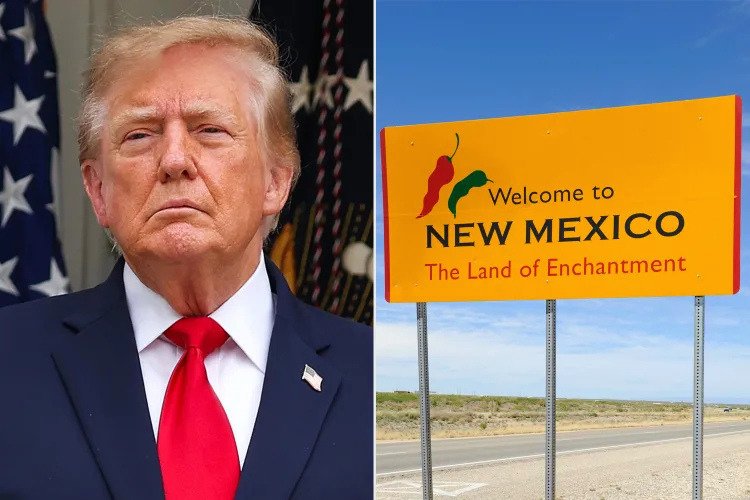
Trump Renews Controversial Proposal to Rename New Mexico ‘New America’

U.S. President Donald Trump has renewed his proposal to rename New Mexico as “New America,” calling for an immediate change and reigniting discussion about the state’s historical identity and political future. The suggestion, shared on his Truth Social platform on October 19, 2026, has drawn attention from political figures and residents, with critics questioning both its practicality and the reasoning behind it.

Trump argued that the state should adopt a name that more explicitly reflects its status as part of the United States. He also suggested that the proposed change could improve the state’s reputation, increase property values and raise incomes. However, he did not provide evidence demonstrating that a new name would produce those economic benefits.

The latest statement follows an earlier proposal Trump reportedly made in September 2026. By renewing the call, the president has brought the issue back into public discussion, despite resistance from officials who say the state’s existing name is closely connected to its history and cultural identity.

New Mexico has a distinctive past shaped by Indigenous peoples, Spanish settlement, Mexican governance and its eventual incorporation into the United States. The name itself reflects historical connections to the region and predates the establishment of the modern American state. For many residents, it represents a legacy that cannot be separated easily from the state’s identity.

Opposition to the proposed change has emerged among political leaders in New Mexico. Democratic Senator Ben Ray Luján has defended the state’s name and emphasized the historical significance it holds for residents. Other officials have questioned whether replacing it would offer any meaningful benefit to the population.

The proposal has also faced questions about its legal feasibility. Republican congressional candidate Greg Cunningham has reportedly highlighted the obstacles involved in changing a state’s official name, reflecting concerns that the process would be considerably more complicated than a presidential announcement.

Under the American system of government, a president cannot simply rename a state through an executive order. New Mexico’s name is established within its constitutional and legal framework, meaning a formal change would require action through the relevant state procedures and potentially federal involvement. Trump’s statement therefore represents a political demand, not an implemented government decision.

The debate also raises questions about the balance between national identity and regional heritage. Supporters of the suggested name may see “New America” as a way to reinforce the state’s connection to the country. Opponents, however, argue that the proposal could diminish the historical and cultural influences that distinguish New Mexico from other states.

Practical considerations would also accompany any official renaming. Government agencies could need to revise documents, public records, maps, educational materials and administrative systems. Businesses and local institutions might also face expenses associated with updating their names and official information. These potential costs would need to be weighed against any claimed benefits, for which Trump has not presented supporting evidence.

The proposal comes amid other naming initiatives associated with Trump’s administration. His government has promoted the use of “Gulf of America” instead of “Gulf of Mexico” in federal contexts, prompting separate discussions about geographic terminology, historical conventions and the reach of presidential authority.

Although such changes can influence federal usage, renaming a state presents a different legal and administrative challenge. The process would require more than a statement from the White House and would involve institutions beyond the president’s direct control.

For now, New Mexico retains its established name, and no formal change has taken place. The latest remarks have nevertheless renewed discussion about the relationship between political symbolism, local identity and historical preservation.

Whether Trump’s proposal will advance beyond public statements remains uncertain. Any serious effort to rename the state would face legal hurdles, political resistance and questions about its practical value. The episode demonstrates how a proposal involving a single name can develop into a broader debate about history, governance and the authority to redefine a place’s identity.

You can watch the video below

India: Gold Price Laitana Chatle, US Federal Reserve-gi Decision Ngak-i

International Market, October 20, 2026

International market-ta Tuesday gold price asi laitana chatle. Investors-singna US Federal Reserve-gi October 27–28 policy meeting ngak-i, amasung interest rate-gi matung oiriba decision adu gold price-da kari matik chaba asar piba haibadu yengsin-i.

Spot gold price asi ounce ama-gi US$4,126.84-da 0.3 percent-na laitana chatle. US gold futures amasu 0.3 percent-na laitana ounce ama-gi US$4,146 oikhi.

Interest rate hen-gatpa matamda gold phangba mateng adu henna cost oiba yai, maramdi gold-na interest piba phangde. Aduga, investors-singna inflation data amasung global economic outlook adu yengsinba matamda gold price-da makha tana changba yai. 

Source: Reuters — Gold prices and Fed outlook⁠

Congress’s Historic Social Security Deal Offers Lessons for Today’s Funding Debate

The bipartisan agreement that reshaped Social Security in 1983 remains an important example of how Washington addressed a major financial challenge through negotiation and legislative compromise. As concerns about the program’s long-term funding resurface, the historic reform offers insight into the difficult choices facing lawmakers as they seek to protect benefits for current and future generations.

More than four decades ago, Social Security faced a serious financial emergency that threatened its ability to pay scheduled benefits in full. The program’s financial difficulties placed considerable pressure on Congress and the administration of President Ronald Reagan to develop a solution before the shortfall became an immediate payment crisis.

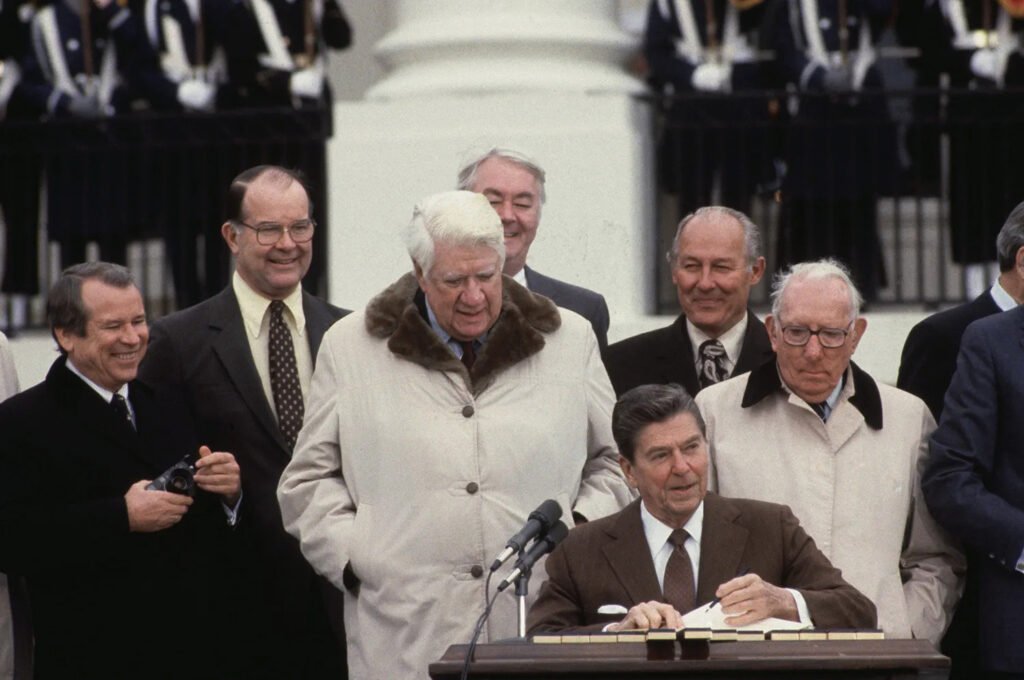
Efforts to resolve the problem began with the creation of the National Commission on Social Security Reform in 1981. Led by economist Alan Greenspan, the commission brought together representatives from different political backgrounds to examine the program’s finances and recommend changes. After months of discussions, a majority of its members reached an agreement in January 1983, providing a framework for congressional action.

Congress approved the Social Security Amendments of 1983, which Reagan signed into law on April 20 of that year. Rather than depending on a single measure, the legislation introduced a combination of tax adjustments, benefit changes and other provisions designed to improve the system’s financial position.

One of the most consequential changes involved gradually raising the full retirement age from 65 to 67. The increase was phased in over time, with the later retirement age applying to younger generations. The legislation also accelerated previously scheduled increases in payroll taxes and established federal taxation on part of the benefits received by certain higher-income beneficiaries.

Additional provisions expanded Social Security coverage to newly hired federal employees and certain nonprofit workers. Together, these measures were intended to increase revenue while adjusting the program’s obligations over the longer term.

The legislation helped resolve the immediate funding emergency and strengthened Social Security’s financial outlook. However, it did not permanently eliminate the gap between the program’s projected income and its future obligations. Changes in population patterns, life expectancy and economic conditions have since renewed questions about the system’s long-term sustainability.

Those concerns have once again placed Social Security among Washington’s major policy challenges. The program supports millions of Americans through retirement payments, disability benefits and assistance for eligible family members and survivors. Any substantial changes could therefore affect households across different age groups and income levels.

Lawmakers and policy analysts have considered a range of possible approaches to improving the program’s finances. Options include increasing payroll tax revenue, modifying benefit formulas, adjusting retirement rules or combining several measures. Proposals to raise taxes on higher-income earners have also featured prominently in the debate.

Each approach carries potential consequences, and disagreements remain over how financial responsibilities should be shared. Some policymakers emphasize protecting benefits, while others focus on closing projected funding gaps through revenue increases, spending adjustments or a combination of both.

The experience of 1983 illustrates why negotiations may be essential when addressing a challenge of this scale. The agreement required participants to accept provisions that did not fully match their individual preferences. Its passage demonstrated that cooperation between the White House and congressional leaders could produce legislation even when significant political differences remained.

Another lesson is the importance of acting before financial pressures become an immediate emergency. Early negotiations can give lawmakers more time to examine alternatives, assess their consequences and consider how proposed changes would affect different generations.

However, the conditions surrounding the current debate are not identical to those of the early 1980s. Demographic developments, economic circumstances and today’s political environment create distinct challenges that any new legislation would need to address.

Ultimately, Social Security’s future depends on decisions about how to maintain reliable benefits while ensuring that the program can meet its financial obligations. The 1983 reforms provide a historical example of bipartisan action, but today’s lawmakers must determine which combination of policies is appropriate for the challenges facing the system now.

you can watch the video below

Kim Jong Un Attends Clothing Exhibition as Rumors About His Death Circulate Online

North Korean leader Kim Jong Un has attended a national clothing and footwear exhibition in Pyongyang, according to reports published by the country’s state media on October 20, 2026. His appearance attracted attention after unverified claims about his alleged death and a serious health emergency circulated across social media platforms.

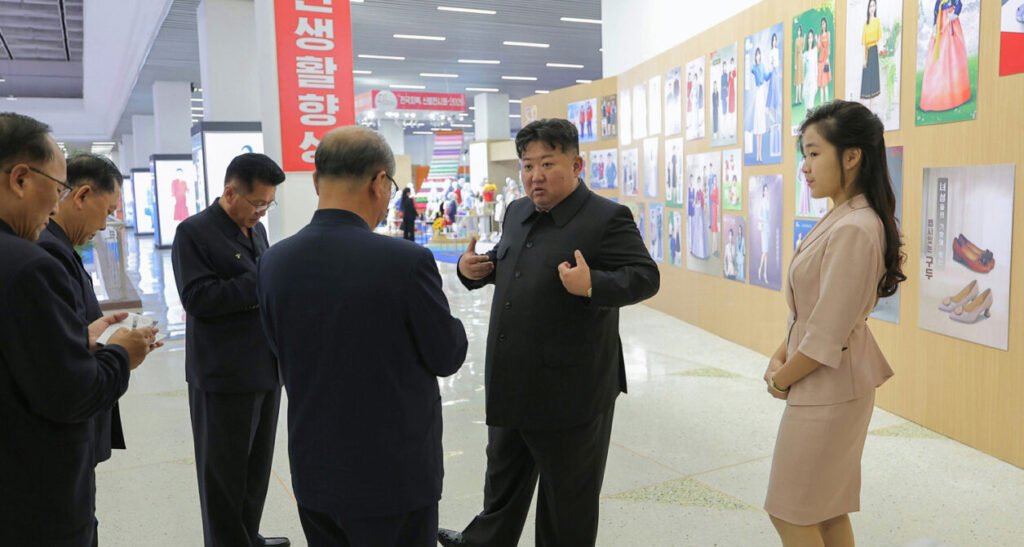
The Korean Central News Agency (KCNA) reported that Kim visited the 2026 National Clothing and Footwear Exhibition on October 19. Images released alongside the report showed the leader inspecting various products presented at the event. His wife, Ri Sol Ju, and his daughter, Ju Ae, reportedly accompanied him, along with several senior officials.

The public engagement followed online speculation suggesting that Kim had suffered a cerebral hemorrhage, fallen into a coma and been transported to Beijing for emergency treatment. The claims spread rapidly, prompting questions about his whereabouts and condition. However, the allegations have not been substantiated by reliable, independent evidence, and no verified information has confirmed that the North Korean leader died or experienced the reported medical crisis.

Kim’s appearance at the exhibition has brought renewed attention to his official activities. However, the release of photographs by state media should not be interpreted as independent confirmation of every aspect of his health. Information about the North Korean leadership remains difficult to verify because the government exercises strict control over official communications.

Beyond the rumors, the exhibition highlighted Pyongyang’s efforts to strengthen domestic manufacturing and improve the availability of locally produced consumer goods. The event brought together products from factories across the country, with an emphasis on clothing, footwear, design and production quality.

According to KCNA, the exhibition featured more than 70,700 clothing items representing over 30 types, alongside more than 170,000 pairs of shoes covering over 60 varieties. More than 270 production units reportedly contributed to the display, including established manufacturers and factories developed under the government’s regional industrial programs.

During his visit, Kim reportedly praised improvements in the country’s light industry and stressed the importance of developing products that meet consumer expectations. The government has increasingly promoted domestic manufacturing as part of its broader effort to strengthen regional economies and expand production capacity.

The exhibition also reflected the objectives of North Korea’s Regional Development 20×10 Policy, introduced in 2024. The initiative seeks to establish modern factories in 20 cities and counties each year over a ten-year period. Authorities have presented the program as a way to improve living standards outside Pyongyang and narrow the development gap between the capital and other regions.

Despite these stated ambitions, North Korea continues to face economic difficulties, while limited access to independent information makes it challenging to assess the full impact of its industrial policies.

Rumors surrounding Kim’s health are not unprecedented. In 2020, his absence from several public events sparked international speculation about his condition. He subsequently appeared in public again, illustrating how periods without official updates can fuel uncertainty about the country’s leadership.

The latest incident also underscores the speed at which unverified claims can circulate online. When information is scarce, speculation can gain momentum before journalists and independent observers have enough evidence to determine whether a report is accurate.

At present, the claims about Kim Jong Un’s death remain unverified. North Korean state media has reported his attendance at the exhibition, but the alleged cerebral hemorrhage, coma and emergency transfer to China have not been independently established.

The exhibition has therefore drawn attention for two reasons: Kim’s reported return to public view amid online speculation and the government’s continuing campaign to promote domestic clothing and footwear production. Further independently verified information would be needed to establish the accuracy of the health-related allegations.

You can watch the video below

Manipur: Nongsum Hills-da Armed Attack, Mi 3 Sihalle

Imphal, October 20, 2026

Manipur-gi Imphal East amasung Kangpokpi district-gi marakta leiba Nongsum Hills-gi mapanda October 19-da thokpa armed attack ama-da Meitei civilian mi 3 sihalle, atoppa mi 3-na injury phangre. Report-gi matung-inna, firewood thibada chatpa misingda armed miscreant-singna firing toukhi.

Incident asi thokpa matungda valley district-singda tension amuk hen-gatlakle. Security force-singna affected area-da operation amasung surveillance thabak changsinduna toujari. State government-na vulnerable area-singda security hen-gatnaba thourang toure.

Attack asi toukhiba mising-gi identity amasung exact motive adu investigation-na achumba oina khanghanba darkar. Community pumnamakta calm leiba amasung violence amuk thok-halloidaba hotnaba appeal toujari. 

Source: The Indian Express — Manipur attack report⁠

Manipur News: Manipur Police Half Marathon-ta Mi 3,000 Henna Shagatlaga Saruk Yare

Imphal, October 19, 2026

Manipur Police-na organise toukhiba Half Marathon event-ta mi 3,000 henna shagatlaga saruk yare. Event asi Manipur Police-gi 135th Raising Day-gi matengda organise toukhiba programme-singdagi ama oina leirammi.

Half Marathon asi physical fitness, sports spirit amasung public amasung police-gi marakta phajaba relation semnaba pandam toui. Athletes, youth amasung fitness enthusiast-singna event asi-da saruk yare.

Police-na event asi sports-gi mapanna community participation hen-gatnaba amasung youth-singda healthy lifestyle sijinnaba khudongchaba piba thabak ama oina thourang toure. Manipur-da security challenge-sing leiriba matamdasu, sports event-singna public activity amasung community engagement-da mateng pangba yai.

Source: Imphal Times — Manipur Police Half Marathon report⁠

Former President Obama Speaks Out Against Federal Probe of Ilhan Omar

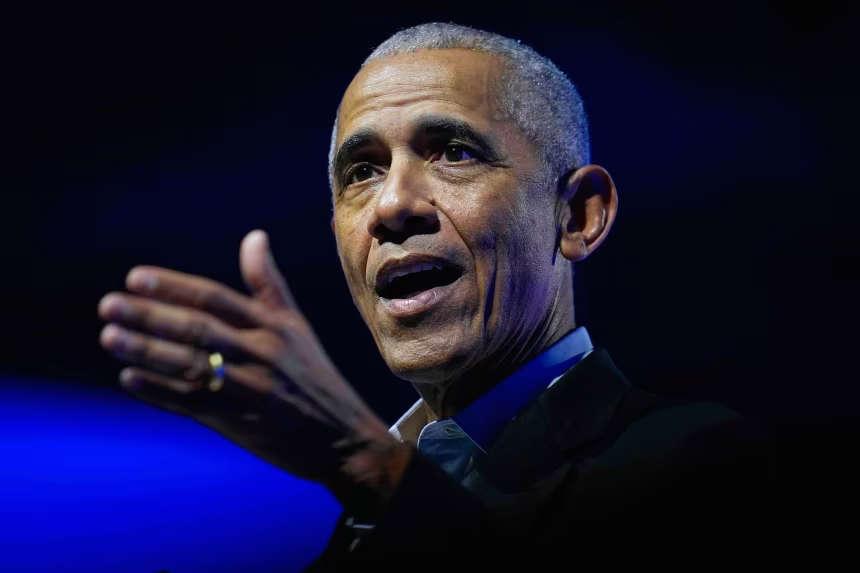
Former U.S. President Barack Obama has criticized the Trump administration’s investigation into Democratic Representative Ilhan Omar, calling the situation “appalling” and raising concerns about the possible use of federal authority against political opponents. His comments, reported on October 18, 2026, have added to the growing political debate surrounding the case as the United States approaches its November midterm elections.

The controversy follows a reported federal search of Omar’s Washington, D.C., residence on October 12. Agents from Homeland Security Investigations conducted the operation under a court-authorized warrant as part of an inquiry reportedly involving immigration and naturalization documents. Authorities have not publicly disclosed all the evidence or details connected to the investigation.

In his remarks, Obama expressed concern about the implications of government investigations involving elected officials who have openly criticized the president. He argued that the situation raised broader questions about democratic principles, accountability and the importance of applying the law fairly, regardless of political affiliation.

The former president’s intervention has brought additional attention to the case, which has already prompted criticism from Democratic lawmakers and civil liberties advocates. Some have questioned whether the investigation could undermine public confidence in the independence of federal law enforcement, particularly given its timing.

Omar, who represents Minnesota’s Fifth Congressional District, has frequently challenged Trump’s policies and statements. Born in Somalia, she came to the United States as a refugee and became a naturalized American citizen in 2000. She has denied allegations of immigration-related wrongdoing and described the scrutiny surrounding her background as politically motivated.

The investigation reportedly concerns claims about information connected to Omar’s immigration and naturalization history. Some allegations circulating in political discussions involve her age and documentation from the period surrounding her arrival in the United States. However, the existence of an investigation does not establish that the allegations are true or that a crime has occurred.

Omar and her legal representatives have questioned the government’s actions and raised concerns about the search and the handling of materials collected during the operation. Federal investigators, meanwhile, conducted the search under judicial authorization. Further information would be required to determine the precise legal basis and scope of the inquiry.

The case has become particularly contentious because it is unfolding shortly before the November 2026 midterm elections. Voters will decide the composition of both chambers of Congress, potentially changing the balance of power in Washington and influencing the administration’s legislative priorities.

Democratic officials have raised questions about whether the timing of the investigation could create the appearance of political interference. Department of Justice policies have historically sought to prevent law enforcement decisions from improperly affecting electoral outcomes. Nevertheless, assessing whether those standards were breached would require evidence about the investigation’s handling and the decisions made by officials.

The Trump administration has generally defended federal investigations as matters of law enforcement rather than political retaliation. At the same time, Trump has made public statements questioning Omar’s background and citizenship, contributing to scrutiny of the administration’s approach to the congresswoman.

Obama’s criticism has expanded the debate beyond the immediate allegations, placing the issue within a broader discussion about the relationship between political power and law enforcement. His intervention also underscores continuing disagreements between Democratic leaders and the Trump administration over the treatment of political critics.

The investigation has renewed attention to the legal protections surrounding American citizenship. Revoking naturalized citizenship, a process known as denaturalization, requires specific legal grounds and judicial proceedings. Political accusations alone are not sufficient to establish that a person obtained citizenship unlawfully.

As the inquiry continues, key details remain unresolved, including the evidence collected by investigators and whether prosecutors will pursue formal charges. Omar has not been convicted of wrongdoing in connection with the reported allegations.

Obama’s remarks have ensured that the case remains part of the national political discussion. With the midterm elections approaching, scrutiny is likely to continue over the investigation’s legal justification, its timing and the safeguards designed to keep federal law enforcement independent of partisan considerations.

You can watch the video below

Manipur: Police-na Brown Sugar Suspected Drug Seizure-da Mising Mari Arrest Toure

Imphal, October 19, 2026

Manipur Police-na suspected brown sugar drug seizure ama-gi sambandhada mi mari arrest toure. Police-gi report matung-inna, operation ama touba matamda suspected contraband phangkhre, amasung drug adu Assam-dagi purakhiba yaba haiba maramda investigators-na supplier amasung atoppa sambandha leiba misingbu thibiba houjari.

Atoppa operation ama-da Senapati district-ta Manipur Police amasung CRPF team-na suspected brown sugar 804 gram phangba matungda mi ani arrest toukhi. Operation aduda suspected drug soap case 45 amasung Scorpio vehicle ama phangkhre haiba report toure.

Police-na drug adugi source, transport touba mising amasung supply network-gi maramda investigation toujari. Drug trafficking adu control tounaba security agency-singna checking amasung joint operation-sing changsinduna toujari.

Source: India Today NE — Manipur drug seizure amasung arrest report⁠