
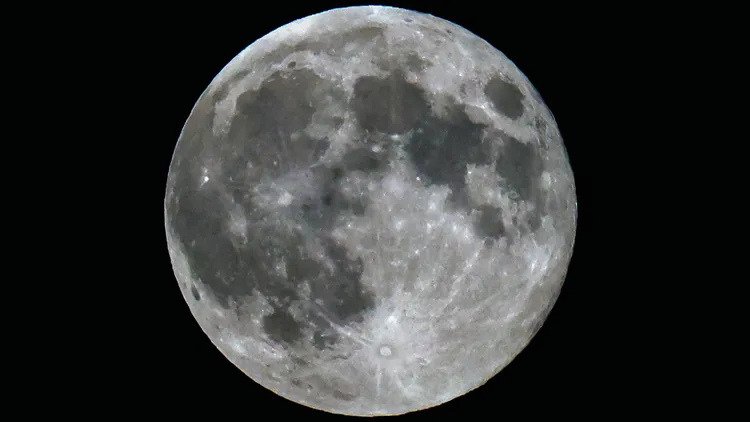
Stargazers are preparing for October’s Hunter’s Moon, a celestial event that will bring a brilliant full Moon to the autumn sky on October 26, 2026. The annual lunar spectacle is expected to attract the attention of astronomy enthusiasts, photographers and casual observers hoping to enjoy the Moon’s striking appearance against the darkness of the night.
The full Moon is expected to reach its peak at approximately 4:12 a.m. GMT on October 26. In India, this corresponds to around 9:42 a.m. IST, when daylight will make direct observation more difficult. Nevertheless, the Moon will appear almost completely illuminated during the evenings before and after its peak, providing opportunities for people to enjoy the display.
One of the best times to observe the Hunter’s Moon is shortly after sunset, when it emerges above the eastern horizon. Depending on atmospheric conditions, the Moon can take on shades of orange, gold or yellow, creating a distinctive appearance against the evening sky.
The Origins of the Hunter’s Moon
October’s full Moon is traditionally called the Hunter’s Moon because of its association with seasonal activities in the Northern Hemisphere. It follows the Harvest Moon, which is linked to the period when farmers traditionally completed gathering their crops.
After the harvest, open fields and longer periods of darkness created favourable conditions for hunting. The additional natural light from the full Moon helped people spot animals and gather food before winter arrived. Over time, the name became part of the traditional lunar calendar and remains widely recognised today.
The October full Moon has also been associated with other traditional names, including the Travel Moon, Dying Grass Moon and Sanguine Moon. These names reflect seasonal changes and cultural interpretations of the natural world as temperatures decline and autumn progresses.
Best Ways to Observe the Lunar Display
Watching the Hunter’s Moon requires no specialised equipment. Provided weather conditions are favourable, observers can enjoy the sight with the naked eye.
Finding a location with a clear view of the eastern horizon can improve the experience. Open fields, parks and elevated viewpoints may provide suitable vantage points, particularly where tall buildings and trees do not obstruct the view.
The Moon’s position near the horizon can also create appealing opportunities for photography. Capturing it alongside silhouettes of trees, buildings or distant landscapes can produce striking images without requiring advanced camera equipment.
The Moon may appear particularly large when it first rises. This familiar phenomenon is known as the Moon illusion, a visual effect associated with how the human brain interprets objects near the horizon. The Moon’s orange or reddish appearance at this time results from sunlight travelling through a thicker layer of Earth’s atmosphere, which scatters shorter blue wavelengths more effectively.
What Happens During a Full Moon?
A full Moon occurs when the Moon is positioned opposite the Sun relative to Earth, allowing the side facing our planet to appear almost entirely illuminated.
During this phase, observers can identify broad, dark areas on the lunar surface known as maria. These formations developed when ancient volcanic activity filled large impact basins with lava that eventually cooled and solidified.
Bright rays surrounding certain craters may also be visible. However, because sunlight falls more directly across the lunar face during a full Moon, some surface features appear less distinct than they do during phases when stronger shadows highlight the Moon’s uneven terrain.
The Moon will remain nearly full for several nights around October 26, giving observers flexibility if clouds or poor visibility interfere with their initial plans.
An Autumn Highlight for Skywatchers
The Hunter’s Moon arrives just days before Halloween, adding another seasonal attraction to October’s night sky. Although its brightness can make fainter stars harder to distinguish, the lunar event offers an accessible opportunity for families, amateur astronomers and photography enthusiasts to appreciate the night sky.
Local weather conditions and moonrise times will determine when the display is most visible. Checking the forecast and selecting a location away from obstructions can improve the viewing experience.
With no telescope or expensive equipment necessary, October’s Hunter’s Moon provides a simple way to explore astronomy and appreciate the changing seasons. Whether viewed from a garden, a quiet countryside location or an open public space, the luminous Moon promises a memorable addition to the autumn sky.
You can watch the video below