
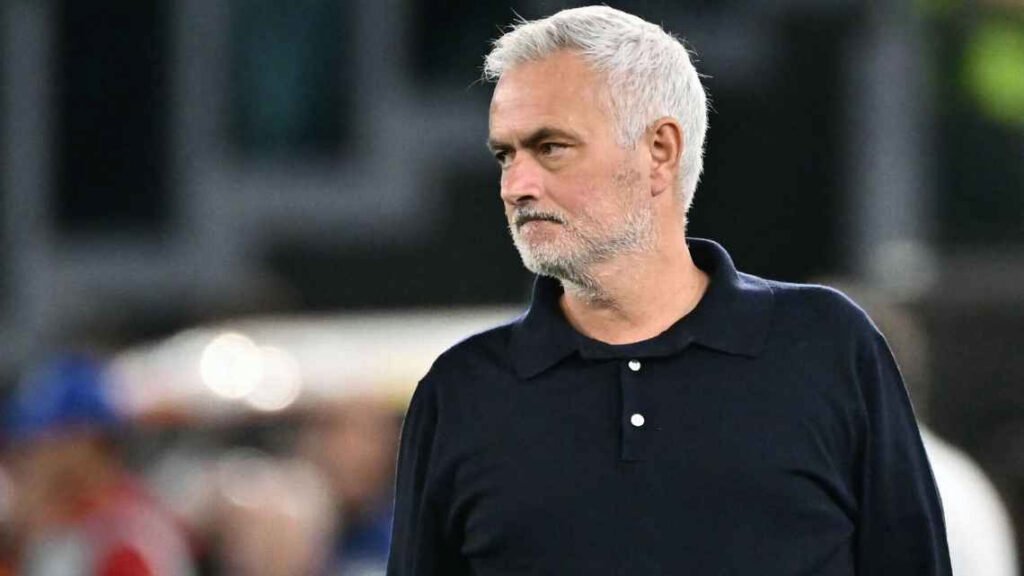
Real Madrid mounted a dramatic late comeback against Roma after José Mourinho acknowledged the shortcomings that had affected his team’s performance. The encounter highlighted Madrid’s determination to recover from a difficult situation, while the manager’s admission brought attention to the tactical and performance issues that had troubled the side earlier in the match.
Despite facing difficulties during the opening stages, Madrid continued to search for a way back into the contest. The team eventually found renewed momentum late in the game, producing a rally that surprised Roma and transformed the narrative of the encounter. What had initially appeared to be a frustrating performance became a demonstration of Madrid’s ability to respond under pressure.
Mourinho’s willingness to accept responsibility also emerged as a significant talking point. His acknowledgment of the team’s problems highlighted the manager’s role in addressing weaknesses and preparing his players to perform more consistently.
Mourinho Takes Responsibility for Madrid’s Problems
Madrid’s difficult performance placed Mourinho under the spotlight, with questions surrounding the team’s approach and its ability to maintain control throughout the match. Rather than placing the blame entirely on his players, the manager recognised that his own decisions and leadership were also part of the wider picture.
At a club where expectations remain exceptionally high, inconsistent performances can quickly attract attention. Madrid are expected to demonstrate composure, tactical discipline and attacking quality, regardless of the opposition. When the team falls short of those standards, the manager must identify the causes and find ways to improve the overall performance.
Mourinho’s admission reflected the importance of accountability in professional football. Recognising mistakes can provide an opportunity to review tactics, improve preparation and strengthen communication between the coaching staff and players.
However, accepting responsibility is only the beginning of the process. Turning those observations into meaningful improvements will be essential if Madrid are to avoid similar difficulties in upcoming fixtures.
Madrid’s Late Surge Turns the Contest Around
Roma appeared well positioned to benefit from Madrid’s earlier struggles, as the Spanish side found it difficult to establish its rhythm. The match became increasingly challenging for Madrid, which needed to find a stronger response before the opportunity to recover disappeared.
The closing stages brought a dramatic change in momentum. Madrid continued pushing forward and eventually produced a late rally that left Roma stunned. The turnaround demonstrated the importance of persistence, concentration and belief when a team faces adversity.
Late comebacks often depend on a combination of tactical adjustments and individual determination. When players maintain their focus despite setbacks, they can take advantage of defensive openings and put opponents under increasing pressure.
Madrid’s response offered evidence of the team’s fighting spirit. Nevertheless, the earlier problems remained relevant, as the club will need to perform more consistently rather than relying on late rallies to rescue difficult matches.
For Roma, the final stages represented a disappointing turn of events. The team had an opportunity to take advantage of Madrid’s struggles but ultimately faced a late surge that changed the outcome and overshadowed much of its earlier work.
Questions About Consistency Remain
Although Madrid’s late comeback provided encouragement, the performance also raised questions about the team’s ability to start matches effectively. Strong finishes can be valuable, but allowing opponents to gain control earlier in a contest may create unnecessary pressure.
Improving the team’s organisation, decision-making and coordination will be important. Madrid must also find ways to create attacking opportunities more consistently while limiting the defensive weaknesses that can allow opponents to dictate the tempo.
Mourinho’s comments may help establish a foundation for addressing these concerns. His willingness to recognise shortcomings places responsibility on the coaching staff as well as the players, reinforcing the need for collective improvement.
Roma, meanwhile, will have to consider how the late collapse occurred. Maintaining discipline and concentration throughout an entire match is crucial, especially when facing experienced opponents who remain dangerous until the final whistle.
Dramatic Finish Provides a Lesson for Both Sides
The meeting between Madrid and Roma illustrated how quickly football matches can change. A difficult performance can become a dramatic comeback when a team finds the confidence and determination to respond at a crucial moment.
Mourinho’s acceptance of responsibility added another dimension to the encounter, showing that the manager recognised the challenges his side had faced despite the late rally. While the comeback offered Madrid a reason for encouragement, the team’s earlier shortcomings cannot be overlooked.
Moving forward, Madrid will need to build on its late response by delivering more balanced performances from the beginning. Greater consistency could help the team avoid unnecessary pressure and strengthen its ability to compete against demanding opponents.
For Roma, the match serves as a reminder that control can quickly disappear if concentration slips during the closing stages.
Ultimately, Madrid’s late rally became the defining feature of the encounter, while Mourinho’s admission highlighted the importance of accountability. The dramatic finish offered a reminder of football’s unpredictability, but it also left Madrid with important lessons to consider as the team looks to improve its performances in future matches.
You can watch the video below