
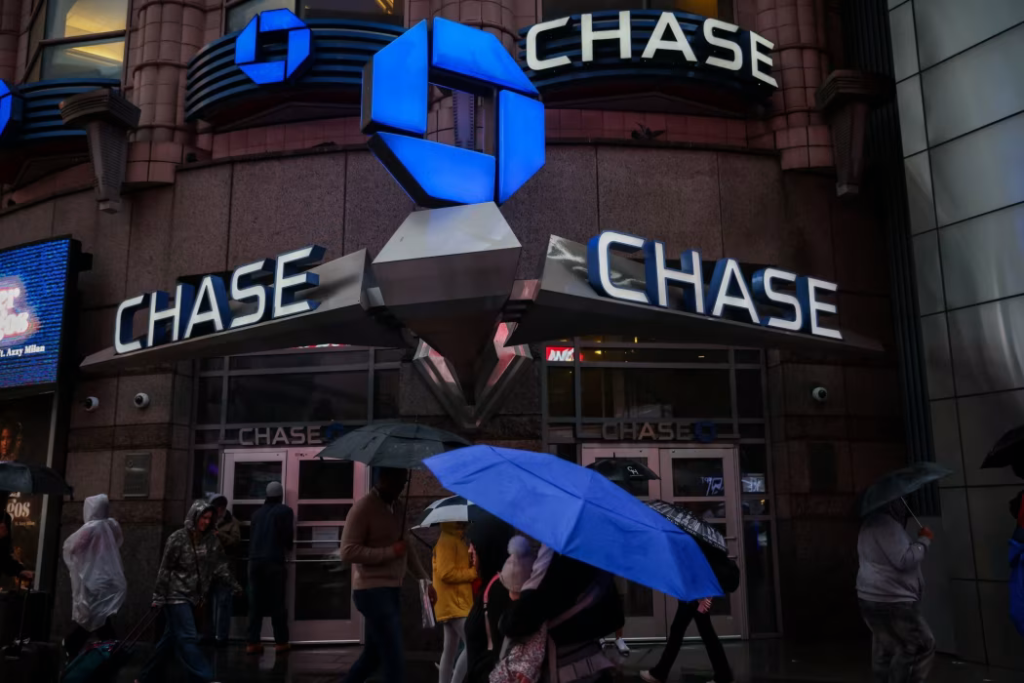
Major financial institutions JPMorgan Chase, Visa and Mastercard have reported cybersecurity incidents involving external service providers, raising fresh questions about the protection of customer information and the growing risks associated with third-party businesses. The disclosures emerged on Thursday, November 19, 2026, after a cyber extortion group claimed to have accessed information belonging to companies connected to the financial giants.
According to the institutions, the incidents may have resulted in the exposure of limited customer information held by outside vendors. The potentially affected data reportedly includes names and email addresses. However, all three companies maintained that their core systems and payment networks were not compromised.
JPMorgan Chase confirmed that certain external service providers working with the bank had been targeted by cybercriminals. An internal review indicated that some marketing-related information maintained by these vendors may have been accessed without authorisation.
The bank said the information potentially involved customer names and email addresses. Although reports suggested that a significant number of email addresses were included in material released by the attackers, the full extent of the exposure has not been independently established.
JPMorgan reassured customers that its banking infrastructure continued operating normally and that the incident had not affected its financial services. The company also indicated that individuals whose information may have been involved would receive direct notifications where necessary. Additional support, including complimentary credit monitoring, would be made available to affected customers.
Visa also confirmed that an external service provider operating in the Asia-Pacific region had experienced a security incident. The payment company emphasised that its own internal infrastructure remained secure and was not affected by the breach.
The company further clarified that sensitive payment information, including credit and debit card numbers, had not been exposed. Its payment-processing operations continued without interruption, allowing customers to use their cards as usual.
Mastercard similarly acknowledged a security issue involving one of its outside service providers. The company explained that a limited amount of non-payment information had been exposed, including email addresses associated with a small number of cardholders participating in a particular benefits programme.
Mastercard said the incident had been contained and that it was cooperating with the affected provider to address the situation. The company also confirmed that its payment network remained operational and that no disruption to card transactions had been reported.
Meanwhile, a cyber extortion group identified as n0n reportedly claimed responsibility for the attacks. The group published files that it alleged contained information obtained from the affected providers. However, the authenticity and complete scope of the material have not been independently verified.
The incidents have highlighted the security challenges facing financial organisations that depend on outside businesses to manage customer information and provide specialised services. Third-party providers often handle data on behalf of major companies, creating additional potential entry points for cybercriminals.
Even when a financial institution’s internal systems remain protected, weaknesses in a supplier’s cybersecurity arrangements can expose information entrusted to that business. This has increased pressure on companies to examine their external partnerships and strengthen security requirements throughout their supply chains.
The disclosures also came shortly after JPMorgan experienced a separate technical disruption affecting certain banking services and transactions. The bank attributed that earlier incident to a software problem and clarified that it was unrelated to the vendor cybersecurity issue.
Although the reported exposure did not involve payment card details, the disclosure of customer contact information can still create opportunities for fraud. Cybercriminals may use names and email addresses to send convincing fraudulent messages pretending to represent banks, payment companies or customer service departments.
Customers are therefore being encouraged to remain cautious when receiving unexpected communications requesting personal information, banking credentials or verification codes. Avoiding suspicious links and independently checking unusual requests can help reduce the risk of phishing attacks.
As investigations continue, JPMorgan Chase, Visa and Mastercard are working with the relevant service providers to determine the full extent of the incidents and provide assistance to potentially affected individuals.
The developments underline the importance of stronger cybersecurity oversight across the financial sector, particularly as major institutions increasingly depend on external companies to support their daily operations. The incidents also demonstrate that protecting customer information requires security measures extending beyond an organisation’s own digital infrastructure.
You can watch the video below