
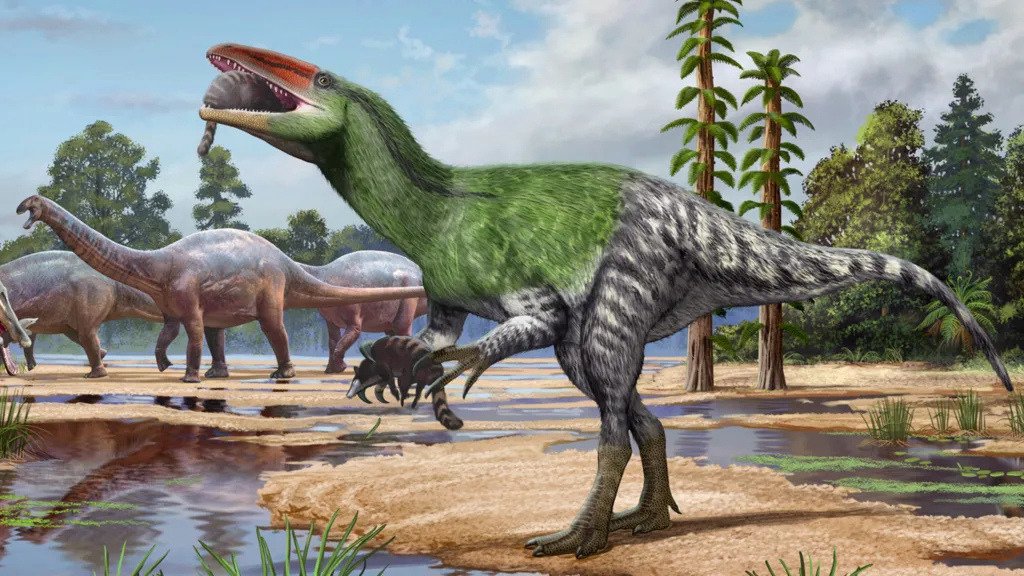
A fossil recovered from an island has drawn scientific attention after researchers identified it as evidence of a dinosaur species not previously recognised. The discovery adds to the growing body of knowledge about prehistoric animals and highlights how examining ancient remains can reveal new details about the diversity of life that existed millions of years ago.
Scientists continue to rely on fossil discoveries to reconstruct the history of dinosaurs, including their physical characteristics, evolutionary development and possible habitats. Every newly identified species has the potential to provide additional clues about how these animals lived and how different groups developed across ancient landscapes.
Determining whether a fossil represents a new species requires detailed scientific investigation. Researchers examine the shape and structure of preserved bones, compare them with specimens from known dinosaur groups and identify anatomical features that distinguish the remains from previously classified animals. These differences must be carefully assessed before scientists can establish a new classification.
The island location may offer additional opportunities to investigate the region’s prehistoric environment. Islands can sometimes create conditions in which isolated animal populations develop distinctive characteristics over generations. Differences in available food, habitat and environmental pressures may influence the evolution of animals separated from populations on larger landmasses.
However, the geographical setting alone cannot establish how a dinosaur evolved. Scientists must also study the geological layers containing the fossil, determine their approximate age and assess other evidence preserved at the site. Such information helps researchers place the discovery within the broader timeline of prehistoric life.
The process of identifying a dinosaur fossil generally begins with careful excavation and documentation. Specialists record the location of the remains and the surrounding geological material before removing the specimen for further examination. Fossils can be fragile, making careful handling essential to prevent damage to features that may be important for classification.
After excavation, researchers clean and prepare the remains for closer study. Depending on the condition of the specimen, they may use advanced imaging techniques, digital modelling and detailed measurements to examine its structure. These methods can reveal features that are difficult to observe with the naked eye and allow comparisons with fossils preserved in museum collections.
Such comparisons are particularly important because dinosaurs belonging to related groups can share many physical similarities. Scientists must distinguish ordinary differences between individuals from characteristics that support the recognition of a separate species. Their conclusions depend on the quality of the fossil evidence and the consistency of the anatomical differences observed.
The discovery may also contribute to research into the ecosystems that existed during the Mesozoic Era, the geological period spanning approximately 252 million to 66 million years ago. During this time, dinosaurs occupied a wide range of environments and developed numerous adaptations. Fossils of plants and other animals found in the same geological formations can help scientists reconstruct the habitats in which these prehistoric creatures lived.
Understanding a newly identified species can also help researchers investigate how dinosaur populations responded to changing environmental conditions. Evidence about body structure, geological age and relationships with other species may eventually provide a clearer picture of its place in prehistoric ecosystems.
Nevertheless, the full scientific importance of the island fossil depends on further details from the research. The dinosaur’s name, estimated age, size, diet and evolutionary relationships should be established through published findings rather than inferred from the discovery alone.
The identification underscores the continuing value of palaeontological research. Many prehistoric species remain unknown because their remains were never preserved, have yet to be found or have not been examined in sufficient detail. New discoveries can therefore expand scientific understanding even when they involve only a small number of fossilised bones.
As investigations continue, the island specimen may provide further insights into the diversity and evolution of dinosaurs. The finding illustrates how studying ancient remains can reveal previously unrecognised aspects of Earth’s history and deepen our understanding of the creatures that inhabited the planet long before humans appeared.
You can check the video below