
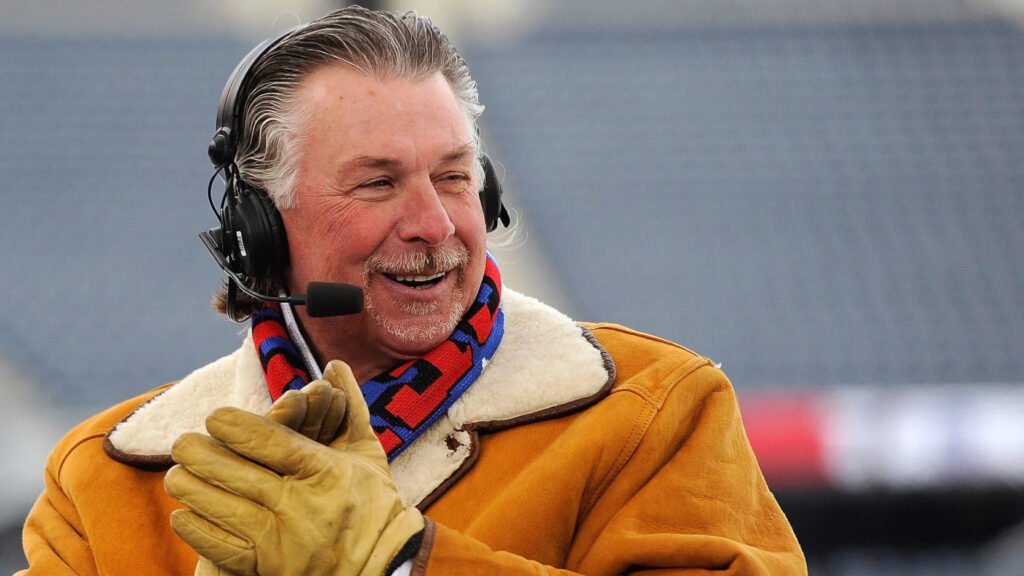
The hockey world is mourning Barry Melrose, the former Los Angeles Kings head coach and longtime ESPN hockey analyst who has died at the age of 70.
Melrose built a career that took him through several different sides of professional hockey. He played the game, coached at the NHL level and eventually became a familiar television personality. His knowledge of hockey and distinctive style made him a recognizable figure to fans for decades.
His professional playing career began before he moved into coaching. Melrose spent years competing in professional hockey, including time in the NHL and other leagues. Those experiences provided the foundation for a coaching career that would eventually bring him into the spotlight.
Melrose became best known as the head coach of the Los Angeles Kings. His tenure in Los Angeles coincided with an important period for the franchise, and his teams developed a reputation for playing with determination and physicality.
The 1992-93 season became the defining moment of his coaching career. The Kings advanced through the playoffs and reached the Stanley Cup Final, giving the franchise one of its most memorable postseason runs. Although Los Angeles did not capture the championship, the achievement helped cement Melrose’s reputation as an NHL coach.
He later coached the Tampa Bay Lightning, adding another NHL organization to his coaching résumé. However, his influence on hockey did not end when he stepped away from the bench.
Television became the next major stage of Melrose’s career.
As an ESPN analyst, he developed a strong connection with viewers through his direct opinions and energetic approach to hockey discussions. His distinctive appearance and unmistakable broadcasting style made him easy for fans to recognize.
Melrose brought the perspective of someone who had experienced the sport from inside the locker room. His background as a professional player and NHL coach gave him firsthand knowledge that he could use when analyzing games, players and coaching decisions.
Over the years, he became an important part of ESPN’s hockey coverage. His ability to mix serious analysis with a strong personality helped make his segments memorable. For many fans, hearing Melrose discuss hockey became part of the experience of following the sport.
His relationship with ESPN continued for many years, including a later return to the network. By then, Melrose had established himself as one of the better-known personalities associated with hockey broadcasting.
The news of his passing has left players, coaches, broadcasters and supporters reflecting on his contribution to the sport. Melrose was unusual in that his career allowed him to influence hockey in several different capacities.
His coaching legacy is strongly connected to the Kings’ run to the Stanley Cup Final, while his broadcasting work introduced his personality and hockey knowledge to a much wider audience.
Melrose’s career also demonstrated the lasting opportunities available to those who remain connected to the sport after their playing days. Rather than limiting his involvement to one position, he continued to reinvent himself while remaining involved in professional hockey.
For fans who followed him during his coaching years, Melrose represented an era of NHL hockey defined by intense competition and physical play. For a later generation, he became a recognizable television voice who brought his experience and opinions to the screen.
His death at 70 closes a long chapter in a career that was deeply connected to hockey. Whether standing behind an NHL bench or sitting in a broadcast studio, Melrose remained a prominent figure in the sport.
The impact of his work will continue to be remembered through the teams he coached, the players he influenced and the many hockey fans who listened to his analysis over the years. His journey from professional player to NHL coach and ultimately celebrated broadcaster made him one of the sport’s distinctive personalities.
Barry Melrose leaves behind a legacy that extends beyond one team or one job. His decades in hockey allowed him to become part of the sport’s history both on the ice and in the broadcast booth, ensuring that his name will remain familiar to hockey fans for years to come.