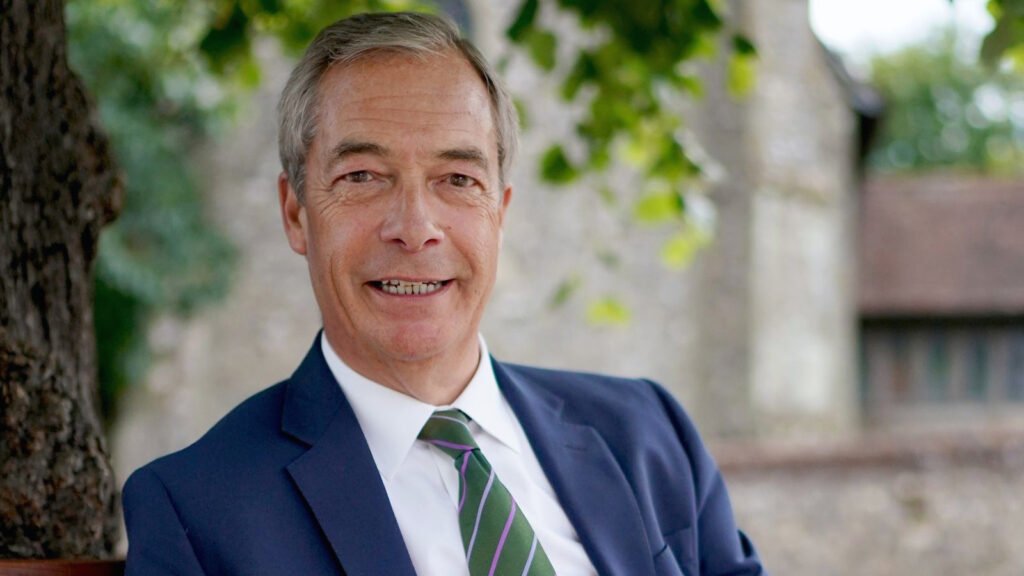
Reform UK leader Nigel Farage is facing renewed scrutiny following an undercover investigation into discussions about foreign funding and political polling, placing the party under pressure during its annual conference in Birmingham.
The controversy centers on secretly recorded meetings involving senior Reform figures and people posing as potential supporters. The footage has prompted questions over whether discussions within the party crossed the boundaries of Britain’s rules governing political donations from overseas.
Farage has rejected claims that Reform UK accepted illegal funding and has characterized the undercover operation as an attempt to entrap party officials. He has also sought to distance himself from some of the conversations captured during the meetings.
Speaking about the footage, Farage said he was not paying attention during an important part of the discussion, telling the BBC that he “wasn’t even listening.” He nevertheless acknowledged that some of the comments made during the meeting were inappropriate and said the situation should not have occurred.
The investigation involved journalists posing as a potential Reform supporter and a wealthy American father. According to reports, the undercover operation recorded discussions concerning political polling that had been commissioned by the party. A payment of roughly £30,000 to £32,500 for polling has become one of the central issues in the controversy.
British electoral rules place restrictions on political donations from impermissible foreign sources. The allegations have therefore raised questions about whether the arrangements discussed in the recordings complied with the country’s political funding laws.
Two senior Reform officials have since stepped aside while the party examines the allegations. Dan Jukes, a close aide to Farage, and James Orr, the party’s head of policy, were suspended following the publication of the undercover footage. Reform said the move would allow an internal investigation to take place independently.
The party has maintained that it did not deliberately break electoral law. Farage has insisted that no illegal money was accepted, arguing that the recorded conversations represented informal discussions rather than evidence of an actual unlawful transaction.
The Metropolitan Police has said it is aware of the allegations and will assess information relating to the reported potential breach of political donation legislation. The police response means the controversy could face further scrutiny beyond Reform UK’s own internal investigation.
The polling issue has also attracted attention because of questions over how the research was presented publicly. The polling company involved has reportedly contacted the British Polling Council after concluding that its rules may have been breached.
For Farage, the timing of the controversy is particularly difficult. Reform UK’s annual conference was intended to provide an opportunity for the party to promote its political agenda and strengthen its image as a growing force in British politics. Instead, questions about donations and internal conduct have dominated much of the attention surrounding the event.
Party officials have attempted to shift the focus back toward policy. Economic proposals and other political priorities have been promoted during the conference, but the funding dispute has continued to overshadow those announcements.
The latest allegations also come after Reform UK has faced other questions about its finances and major donations. The party has attracted substantial financial backing in recent years, making transparency and compliance an increasingly important issue as it seeks to establish itself as a serious national political force.
Farage has argued that Reform remains committed to its political program despite the controversy. However, the suspension of two senior figures and the prospect of further examination by authorities have created additional challenges for the party’s leadership.
The investigation has not established that Reform UK committed an electoral offence, and the allegations remain subject to assessment. Nevertheless, the affair has placed renewed attention on the party’s internal controls, its approach to political funding and Farage’s own role in meetings involving prospective donors.
As scrutiny continues, Reform UK will be under pressure to demonstrate that its fundraising arrangements comply fully with Britain’s electoral rules. For Farage, meanwhile, explaining what he knew about the discussions—and what he did not—is likely to remain an important part of the political fallout from the undercover investigation.