
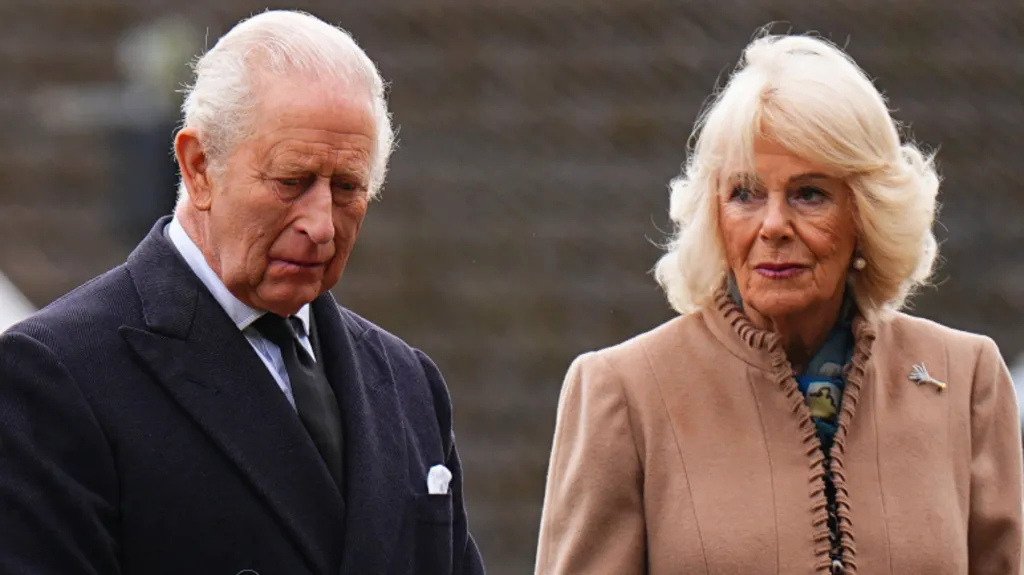
King Charles III has paid tribute to the victims of the Aberfan disaster, remembering the 144 people who lost their lives when a coal waste tip collapsed onto a school and nearby homes in South Wales six decades ago. The King was joined by Queen Camilla and the Prince of Wales, Prince William, as survivors, bereaved families and local residents gathered to commemorate one of the darkest days in Welsh history.
The royal family visited the Aberfan Memorial Garden, established on the site of the former Pantglas Junior School, where the tragedy unfolded on October 21, 1966. During the solemn ceremony, the King and Prince William laid wreaths, while Queen Camilla placed a floral tribute in memory of those who died. A prayer and moment of silence provided an opportunity for the community to reflect on the devastating loss and its lasting impact.
In his address, King Charles acknowledged the immense suffering experienced by the village and praised the courage, resilience and unity demonstrated by its people throughout the decades. He described hearing the accounts of survivors, grieving relatives and rescue workers as a profoundly humbling experience, recognising both the heartbreak caused by the disaster and the extraordinary efforts made to save lives.
The disaster occurred after days of heavy rainfall weakened a large accumulation of mining waste above Aberfan. The material, originating from the Merthyr Vale Colliery, rushed down the hillside and engulfed Pantglas Junior School and surrounding properties. A total of 144 people died, including 116 children and 28 adults. Many of the pupils were between seven and ten years old and had been preparing for their school day when the avalanche struck.
The tragedy left families devastated and transformed the small mining village into a symbol of profound national grief. Emergency personnel, volunteers and local residents worked tirelessly through the debris in desperate attempts to rescue those trapped beneath the coal waste. Their efforts became an enduring part of the story of Aberfan, demonstrating the determination of a community confronted with an unimaginable emergency.
Following the memorial service, the King, Queen and Prince William visited the Aberfan and Merthyr Vale Community Centre, where they met survivors, relatives of the victims, former pupils and members of the emergency services who participated in the rescue operation. An exhibition documenting the response to the disaster highlighted the contribution of firefighters, police officers, medical volunteers and other first responders.
The royal family also met members of the Aberfan Wives, a support group established for mothers who lost children in the disaster. The village’s Ynysowen Male Voice Choir performed during the commemorations. Formed in the aftermath of the tragedy, the choir became a source of companionship and emotional support for local men struggling with the consequences of the loss.
For survivors and bereaved families, the anniversary represented more than a historical remembrance. It was an opportunity to honour loved ones, share personal experiences and ensure that younger generations understand the scale of the tragedy. Although six decades have passed, the emotional consequences continue to influence families and the wider community.
The disaster also raised serious questions about the management of mining waste and the warnings that preceded the collapse. A public inquiry examined the circumstances surrounding the tragedy, bringing attention to failures in the handling of coal spoil tips and the risks posed to communities living nearby. The questions of responsibility and accountability have remained an important part of Aberfan’s history.
The anniversary comes as the village continues to preserve the memory of those who died while recognising the resilience of those who survived. Memorial gardens, commemorative events and the testimony of witnesses remain central to keeping the tragedy within the public consciousness.
King Charles’s visit underscored the enduring significance of Aberfan and the importance of standing alongside those whose lives were permanently changed. His tribute recognised not only the 144 victims but also the generations of families and residents who have carried the memory of the disaster.
As Wales marks 60 years since the catastrophe, Aberfan remains a poignant reminder of the devastating consequences of preventable industrial disasters. The commemorations reaffirmed a shared commitment to remembering the victims, supporting survivors and ensuring that the lessons of October 21, 1966, are never forgotten.
You can watch the video below