The ongoing Ebola epidemic in Central Africa has been traced to a new animal-to-human transmission event, rather than the flare-up of an old human outbreak. More than 2,000 people have died after contracting the latest strain of the Ebola virus.
According to a genomic study published in Nature Medicine, the fastest-moving Ebola outbreak on record was triggered by a fresh “zoonotic spillover” from an independent wildlife reservoir into the human population. Centered in the Democratic Republic of the Congo and spreading into Uganda, the epidemic is fueled by the rare Bundibugyo strain, which has already claimed more than 2,000 lives. Global health organizations warn that because there are currently no fully licensed vaccines or targeted treatments available for this specific strain, containment relies heavily on aggressive supportive care and rapid isolation as candidate vaccines undergo human safety trials.
Experts emphasize that this finding does not mean a mutant form of Ebola has evolved, nor does it mean the virus spreads through the air. Following the initial animal jump—likely from fruit bats or local wildlife—the rapid rise in cases has been driven entirely by conventional human-to-human contact via bodily fluids. However, combating the Bundibugyo variant presents severe public health challenges. Unlike the more common Zaire strain, which has established vaccine stockpiles, health agencies are forced to rely on experimental therapeutics while fast-tracking clinical trials on the ground to slow the spread.
The identification of a fresh spillover underscores that the battle against Ebola requires long-term environmental surveillance, not just reactive medicine. Until candidate vaccines for the Bundibugyo strain are fully deployed, global health agencies must prioritize deep community engagement, rapid diagnostic tracking, and cross-border cooperation to sever the remaining transmission chains. Ultimately, this outbreak serves as a stark reminder that as human activity continues to encroach on wildlife habitats, the risk of zoonotic spillover will persist, making permanent pandemic preparedness an absolute necessity.
Ian Machado Garry’s elite distance management and dynamic striking present a dangerous, unique stylistic threat to UFC welterweight champion Islam Makhachev ahead of their main event clash at UFC 330.
Scheduled for Saturday, August 15, 2026, at the Xfinity Mobile Arena in Philadelphia, this high-stakes showdown features two polar opposites colliding at the absolute pinnacle of mixed martial arts. For the champion Makhachev, a victory would secure a historic 17th consecutive promotional victory, breaking Anderson Silva’s long-standing UFC record. Standing directly in his path is the 28-year-old Irish contender who remains utterly convinced he possesses the perfect blueprint to orchestrate a monumental upset.
The tactical narrative of this five-round championship battle relies heavily on a classic striker-versus-grappler dynamic.
The Champion’s Dominance: Makhachev’s forward-pressure grappling, elite sambo credentials, and crushing top control have historically dismantled everyone in his path.
The Challenger’s Attributes: Garry brings a distinct structural challenge to the Octagon, holding a significant five-inch height and four-inch reach advantage over the champion.
Garry intends to weaponize this physical length. His signature lateral movement, rapid feints, and spatial awareness make him exceptionally difficult to trap against the cage. By staying light on his feet and constantly changing angles, Garry hopes to force a distance-striking battle where his high-volume kickboxing can thrive.
The deciding factor of the fight hinges entirely on Garry’s ability to defend early takedowns and stay off the canvas. Makhachev relies on suffocating chain-wrestling and heavy cage-clinching to sap his opponents’ energy. If the champion secures an early takedown, Garry’s long limbs could quickly become a liability under Makhachev’s relentless submission threat.
However, Garry’s camp has spent this entire preparation period drilling wide-based defensive posture, hip-sinking, and heavy counter-wrestling. If Garry successfully denies Makhachev’s first few entry attempts, the champion will be forced to exchange on the feet. In a prolonged kickboxing match, Garry’s sharp counter-punching and precise oblique kicks can intercept Makhachev’s forward blitzes, swinging the momentum entirely toward the challenger.
Makhachev enters the arena as a heavy betting favorite due to his extensive championship experience and elite pound-for-pound status. Yet, several leading MMA analysts view the Irishman as a highly dangerous live underdog capable of causing absolute chaos. You can read the full preview on ESPN.
Should Garry manage to control the center of the cage, dictate the pace, and keep the action upright, his speed and superior volume could break Makhachev’s historic streak. UFC 330 represents the ultimate chess match: can the champion impose his flawless grappling will, or will the challenger’s dynamic movement dismantle the pound-for-pound king’s reign?
The U.S. Food and Drug Administration (FDA) has officially elevated last month’s egg recall to a Class I hazard. This is the agency’s highest and most urgent warning tier. The designation is reserved exclusively for situations where exposure to a violative product carries a reasonable probability of causing serious health consequences or death.
The original recall was issued last month following the discovery of potential contamination. However, the recent classification upgrade highlights the severe nature of the safety risks involved. Officials are urging consumers, restaurants, and food service providers to immediately check their refrigerators and inventories. The affected products include various brands of shell eggs that were distributed to retail stores across multiple regions.
Eating contaminated eggs can cause severe foodborne illness. Symptoms typically include high fever, severe headache, nausea, vomiting, abdominal cramps, and diarrhea. While healthy individuals may recover within a few days, the risk is significantly higher for vulnerable populations. Young children, the elderly, pregnant individuals, and those with weakened immune systems face the greatest danger of developing life-threatening infections.
The upgraded Class I classification underscores the critical urgency of this public health warning. Consumers must not eat the recalled eggs. Instead, throw them away immediately or return them to the store for a full refund. Additionally, thoroughly wash and sanitize any refrigerator shelves, drawers, or utensils that came into contact with the egg cartons to prevent cross-contamination.
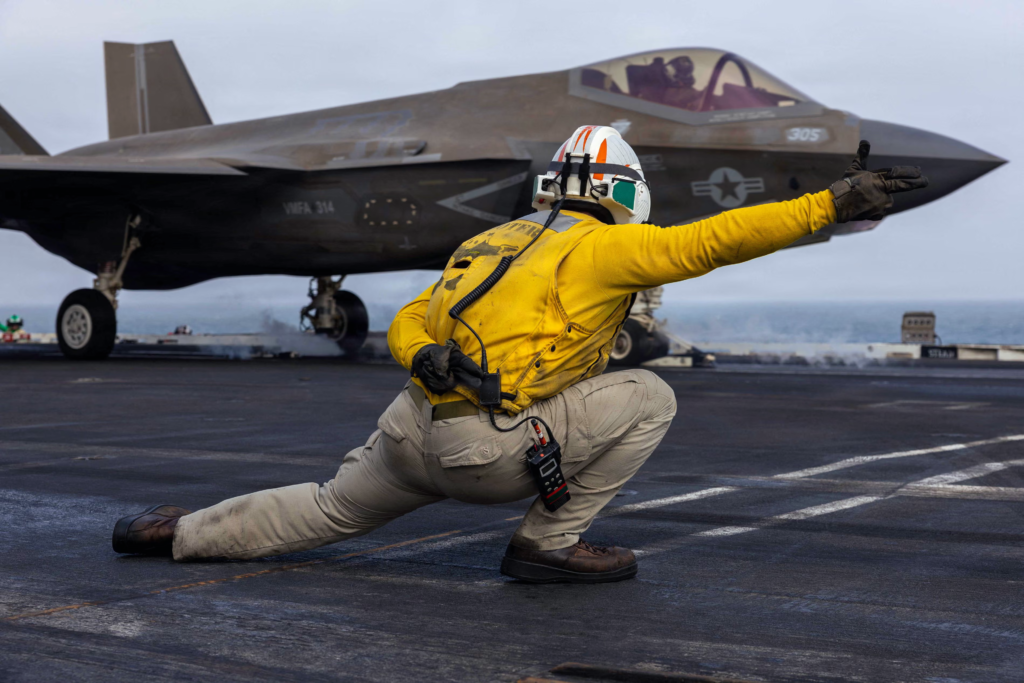
After nearly a decade of loudly complaining about the fact that modern US aircraft carriers use electromagnetic systems to launch fighter jets instead of steam-powered catapults, Donald Trump has directed the Pentagon to redesign a new aircraft carrier to replace the modern system with the old-fashioned catapults he prefers.
Trump signed a national security memorandum on Thursday directing the defense secretary, Pete Hegseth, and the acting navy secretary, Hung Cao, to make the change he has had his heart set on since at least 2017, when he first described his idea to Time magazine.
The memorandum gives the Pentagon leaders 60 days to come up with “a plan on the required measures to replace the Electromagnetic Aircraft Launch System and Advanced Weapons Elevators with steam and hydraulic systems for the construction of” the USS Doris Miller, a Ford-class aircraft carrier, which is already two years behind schedule.
“You know the catapult is quite important,” Trump told Time magazine in 2017 before recounting a conversation he said he had with an unnamed navy officer.
“So, I said, ‘What is this?’ ‘Sir, this is our digital catapult system'”, Trump went on. “It sounded bad to me. Digital. They have digital. What is digital? And it’s very complicated, you have to be Albert Einstein to figure it out. And I said—and now they want to buy more aircraft carriers—I said, ‘What system are you going to be’—’Sir, we’re staying with digital.’ I said, ‘No you’re not. You’re going to goddamned steam, the digital costs hundreds of millions of dollars more money and it’s no good’.
A Guardian review of Trump’s public remarks shows that he has retold that story, with variations, every year since 2017.
In 2018, Trump brought it up during a Thanksgiving day phone call with the commanding officer of the USS Ronald Reagan, an aircraft carrier docked in Hong Kong at the time. In 2019, he recounted his conversation with the “catapulter” to Republican donors at a fundraiser. In 2020, as the nation was grappling with a pandemic, the tale became a regular part of Trump’s campaign speeches. In 2021, he told the story at the CPAC convention. In 2022, he shared it in a campaign speech in Texas. He repeated it on the campaign trail in Iowa in 2023. At one of his final campaign events before the 2024 election, Trump told Tucker Carlson the same story.
After he returned to office in 2025, Trump brought up steam catapults during the swearing-in of Tulsi Gabbard as his director of national intelligence and did so again in remarks to the crew of the USS George Washington, an aircraft carrier based in Japan.
“We built an aircraft carrier for $19bn, which is crazy, The price is crazy,” Trump recalled last month at the Army War College in Pennsylvania. “It had all sorts of modern-day things that were all – instead of using steam for the catapults, they used electric.
“So, when I went to the ship, because I came into office and the ship was way over budget, built in Newport News [Virginia],” Trump continued. “I said: ‘I want to meet the catapulter,’ and a man came over, along with four of his assistants. And I said: ‘What’s better: electric catapult or steam?’ He’s been there for 25 years. He said: ‘Steam is better, sir. We can fix it with a hammer and a blowtorch. When the electric goes bad, I have to send to MIT to get geniuses over here.’ I said: ‘Steam is better?’ ‘Yes, sir it’s better.
“According to the Wall Street Journal, which first reported the order, senior US navy and industry leaders “have resisted the move due to the enormous expense of tearing out such a complex system that was integral to the design” of the latest aircraft carriers.
President Donald Trump’s national security memorandum represents a definitive policy victory for his long-standing campaign against digital naval infrastructure, forcing a major technological reversal despite nearly a decade of institutional resistance. By ordering the Pentagon to replace the Electromagnetic Aircraft Launch System (EMALS) and Advanced Weapons Elevators with traditional steam and hydraulic systems on the USS Doris Miller, the directive fundamentally reshapes the future of the Ford-class carrier program. While the administration favors the mechanical reliability and simpler repair protocols of analog technology, senior Navy and defense industry leaders warn that tearing out integrated digital systems will yield severe consequences. Ultimately, this mandate is projected to incur billions of dollars in redesign costs, heavily compound existing construction delays, and elevate required shipboard staffing levels at a time when global naval forces are actively transitioning toward automation.
Former professional boxer Prichard Colón has died at the age of 33, nearly 11 years after suffering a catastrophic, career-ending traumatic brain injury. His father and former coach, Richard Colón, confirmed the news on August 13, 2026, via social media platform. The tragic passing marks the end of a decade-long battle for survival that fundamentally changed the sport of boxing.
A Tragic Night in Virginia Before the fateful night of October 17, 2015, Colón was an undefeated, rising Puerto Rican superstar with a 16-0 professional record. His trajectory changed during a televised bout against Terrel Williams at EagleBank Arena in Fairfax, Virginia.
Throughout the match, Williams repeatedly struck Colón with illegal “rabbit punches”—blows delivered directly to the back of the head and neck. Despite Colón alerting referee Joseph Cooper multiple times, the action was allowed to continue with minimal intervention. In the seventh round, Williams was finally penalized a single point, but the structural damage had already been done.
The fight concluded under chaotic circumstances in the ninth round. Believing the 10-round fight had already ended, Colón’s corner prematurely removed his gloves, leading to an immediate disqualification loss. Moments later, inside the dressing room, Colón complained of vision loss, began vomiting, and collapsed.
Colón was rushed to Inova Fairfax Hospital, where doctors diagnosed a massive subdural hematoma and performed emergency brain surgery to relieve pressure. He slipped into a coma that lasted 221 days.
While he eventually woke from the coma, the irreversible brain damage left him in a persistent vegetative state. For nearly 11 years, Colón required around-the-clock medical care at his family’s home in Orlando, Florida. His mother, Nieves, and his father dedicated their lives to his daily therapy and rehabilitation.
Following the tragedy, Colón’s parents filed a landmark $50 million lawsuit in 2017 against ringside doctor Richard Ashby and the fight’s promoters, alleging gross medical negligence for failing to halt the bout.
Though Prichard Colón could never return to the ring, his injury directly forced the boxing community to confront the lethal dangers of head trauma. In 2016, the World Boxing Council enacted the strict “Prichard Colón Rule.” This safety directive mandates a zero-tolerance policy for rabbit punches, instructing referees to immediately penalize or disqualify any fighter targeting the back of an opponent’s head.
Tributes have poured in from major governing bodies, including the World Boxing Organization, which lauded Colón as a symbol of “courage, perseverance, and an extraordinary fighting spirit.”
Severe storms paralyze Delta’s main Atlanta hub, triggering travel chaos across the global aviation network.
A volatile summer weather front sweeping through Georgia has severely crippled flight schedules at Hartsfield-Jackson Atlanta International Airport. The severe atmospheric instability brought intense thunderstorms, flash flooding, hail, and high winds to metro Atlanta, forcing the Federal Aviation Administration (FAA) to issue a series of mandatory ground stops.
At the height of the storm, extreme winds and lightning even forced air traffic controllers to briefly evacuate the airport’s control tower, halting all incoming and outgoing flights at the world’s busiest airport.
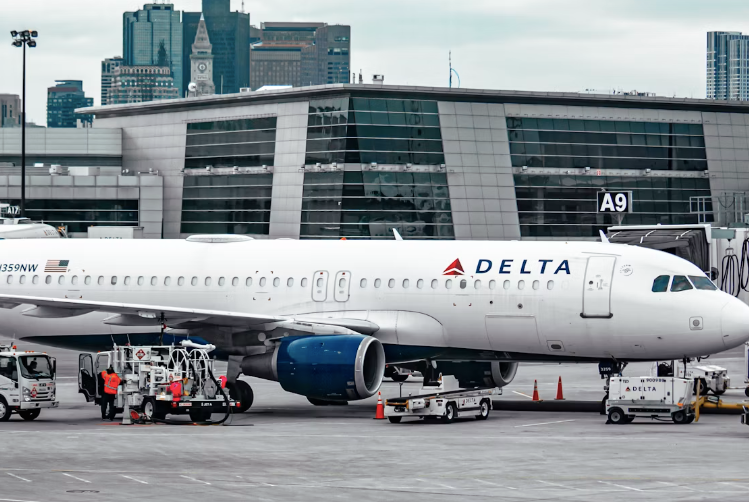
Delta Air Lines Bears the Brunt because Atlanta serves as the primary mega-hub for Delta Air Lines—handling nearly 1,000 peak-day departures—the airline has borne the heaviest operational blow, logging the highest volume of cancellations of any carrier globally. Hundreds of Delta departures have been scrapped or delayed, and more than 90 incoming flights were forced to divert to alternate regional airports.
Dozens of mainline aircraft require technical engineering checks to inspect for potential structural hail damage before they can be cleared to fly.
Arriving aircraft were trapped on taxiways for three to five hours due to an immediate shortage of open gates.
The widespread delays quickly exhausted maximum legally allowable crew duty times, sidelining flight crews and triggering a secondary wave of staffing shortages.
The operational gridlock in Atlanta has rapidly cascaded into a nationwide travel crisis. Passengers looking to connect through Hartsfield-Jackson are stranded at outstation airports across the country, while travelers trapped inside the Atlanta terminals face massive lines at help desks and gridlocked customer service avenues. Aviation experts warn that because of tight international and domestic routing connections, the ripple effects of Delta’s Atlanta hub paralysis will likely take several days to fully resolve, leaving thousands of summer travelers displaced. Therefore, Airline representatives are advising all departing passengers to check their flight status digitally before heading to the airport.
Major League Baseball superstar Mike Trout and golf icon Tiger Woods have officially pulled back the curtain on Trout National – The Reserve, their highly anticipated $100 million private golf club. The project represents a massive transformation of a former 280-acre silica sand mine and rugged farmland into a premier, ultra-exclusive championship destination.
The 18-hole, par-72 course stretches across more than 7,500 yards of sprawling, sandy New Jersey landscape. Designed by Woods’ architectural firm, TGR Design, the course leverages the unique terrain of the former mine to create dramatic elevation changes, wide fairways, and creative green complexes that cater to both elite players and casual golfers.
The resulting course frames wide, expansive fairways with vast, playable sandy waste areas. The routing seamlessly integrates several unique amenities:
The Hazards: Water comes directly into play on six distinct holes, testing precision shot-making.
The Bullpen: A dedicated, fully-lit flexible short course meant for quick or casual rounds.
The Dugouts: Baseball-inspired rest stations featuring stadium seating and live scoring. Under the Lights: An expansive, illuminated putting course designed for evening entertainment.
The site’s transformation required massive infrastructural innovation. Co-founded alongside local industrial developers John and Lorie Ruga, the club features an advanced $7 million agronomy and drainage system connected to an 84-million-gallon reservoir. This allows the course to shed extreme rainfall and remain completely dry within minutes.
The subterranean network also utilizes transit tunnels under the fairways, ensuring maintenance vehicles and golf carts stay completely out of view to preserve the landscape’s aesthetic. Beyond the turf, the venue hosts upscale amenities, including five private cottages, a barber shop, a full-service spa, and an old bank vault converted into a basement bowling alley and simulator bar.
Capped at 227 Members Despite the massive scale of the property, very few will ever step onto its fairways. The destination club is strictly private and invitation-only. In a direct nod to Trout’s iconic Los Angeles Angels jersey number, total membership is permanently capped at exactly 227 members.
For Mike Trout, who grew up just minutes away, the completion fulfills a lifelong dream of bringing a world-class sports asset to his home state. “What started as a hometown vision is now a reality,” Trout noted, cementing the property as one of the most high-profile and architecturally significant golf debuts in the United States.
In a recent candid interview, the Blink-182 drummer opened up about the relationship dynamics that keep the couple grounded amid their hectic, high-profile lives. Specifically, Barker shared the single, non-negotiable marriage rule that ensures their bond remains unbreakable. Travis Barker and Kourtney Kardashian Barker might have a rock-and-roll romance, but their marriage is built on a rock-solid foundation.
According to Barker, the secret to their marital bliss comes down to a classic piece of relationship advice executed with strict discipline: never go to sleep angry.
“We don’t let things drag on,” Barker shared, emphasizing that keeping short accounts with each other prevents minor annoyances from turning into deep-rooted resentment.
While many couples struggle to find common ground during disagreements, Barker explained that he and Kourtney make it a priority to resolve any friction before the day ends. Instead of letting frustrations fester overnight, the couple commits to sitting down and talking through even the smallest misunderstandings.
Since tying the knot in a series of lavish ceremonies in 2022, “Kravis” has been known for their frequent public displays of affection and deep emotional connection. However, behind the red carpets and social media posts, Barker credits their success to this simple communication habit.
By prioritizing vulnerability and active listening, the couple ensures that their blended family—including their son, Rocky Thirteen Barker—grows up in a peaceful and communicative household. For Barker and Kardashian, resolving conflict immediately isn’t just about avoiding a bad night’s sleep; it is about actively protecting their peace and maintaining their deep-seated connection.
Ultimately, it is a powerful reminder that behind the red carpets, the flashing cameras, and the rock-and-roll lifestyle, lasting love requires intentional work. In a world of fast-paced headlines, Travis and Kourtney prove that a strong marriage isn’t built on grand gestures alone, but on the quiet, daily commitment to vulnerability and mutual respect. By choosing communication over pride before the day ends, they show that protecting your peace together is the ultimate relationship goal.
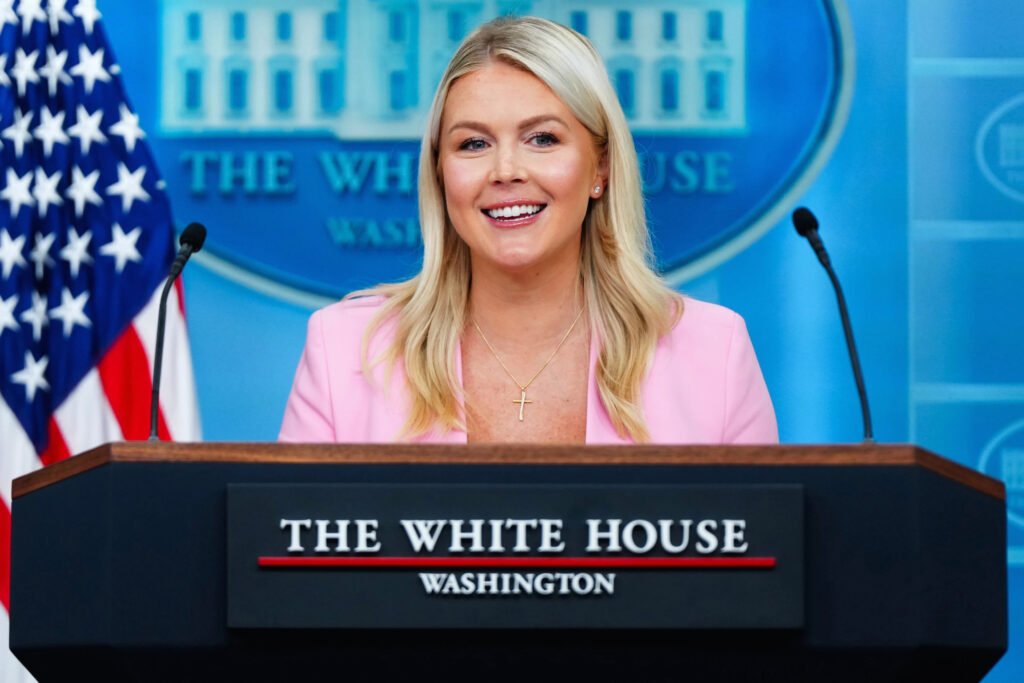
In the latest sign of instability within the administration’s communications team, White House Press Secretary Karoline Leavitt announced her upcoming departure, sparking fresh questions about internal messaging friction. Leavitt will officially step down from the high-profile podium at the end of August 2026.
The exit marks a significant shake-up for an administration that has frequently clashed with reporters and struggled to maintain a consistent media strategy. While President Donald Trump stated that Leavitt is transitioning into an external advisory role, critics and political analysts view the move as part of a broader pattern of staff turnover and operational chaos within the West Wing press office.
Publicly, Leavitt cited personal reasons for her departure, stating a desire to focus on her family following the recent birth of her second child. However, administration insiders suggest that the relentless pressure of the briefing room and mounting strategic disagreements over the administration’s defensive media posture contributed to the timing of her exit.
Karoline Leavitt’s departure leaves a critical vacuum at a time when the administration is facing intense legislative battles and declining public approval ratings. Leavitt’s tenure was marked by highly contentious briefings, frequent evasions of policy details, and a combative approach to mainstream media outlets.
Observers note that whoever takes over the podium will inherit a deeply strained relationship with the White House press corps. The search for a replacement begins immediately, with several internal candidates and media loyalists reportedly under consideration. For a network tracking administrative stability, Leavitt’s sudden transition underscores the ongoing difficulties this White House faces in sustaining a cohesive executive team.
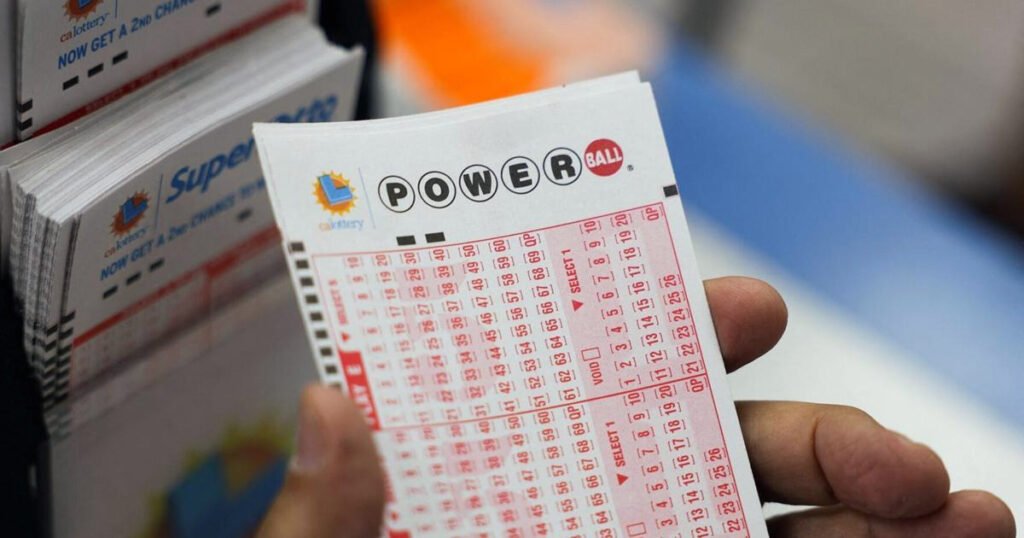
The winning Powerball numbers for the Wednesday, August 12, 2026, drawing are 4, 26, 66, 67, 69, with a red Powerball of 9 and a Power Play multiplier of 2x. Because no ticket matched all six numbers, the massive grand prize will roll over once again.
The historic Powerball jackpot has eluded players once again. The grand prize swelled to a staggering, estimated $1 billion—carrying a cash option value of $433.1 million—making it the eighth-largest jackpot in the history of the game and the single largest U.S. lottery prize of 2026.Lottery officials confirmed late Wednesday night that no ticket matched the exact winning sequence. However, thousands of players nationwide still secured smaller tier prizes by matching partial combinations. Because the top prize remains unclaimed, the multi-state lottery jackpot will roll over and continue to climb ahead of the next scheduled drawing on Saturday, August 15, 2026. Tickets remain available for $2 per play across participating states, with the optional Power Play add-on priced at $1.
As the jackpot climbs into deeper historic territory, lottery officials remind players to play responsibly and set a strict budget before purchasing tickets. The next opportunity to win will take place during the live broadcast on Saturday, August 15, 2026, at 10:59 p.m. ET.
To participate, players must purchase their tickets before their state’s retail cutoff time, which typically falls between 9:45 p.m. and 10:00 p.m. ET on the night of the drawing. Whether a single lucky ticket finally breaks the streak or the jackpot continues its record-breaking run remains to be seen, but the coming days are sure to see a massive surge in ticket sales across the nation.
The live drawing will stream directly on the official Powerball website and YouTube channel this Saturday at 10:59 p.m. ET. Local TV stations will also broadcast the drawing during their late-night news slots.