
Mortgage Rates Near 7% as Utah Homebuyers Navigate Higher Costs

Prospective homebuyers in Utah are facing renewed affordability concerns as mortgage rates climb toward 7%, increasing the cost of financing a property and forcing buyers to take a closer look at their budgets.

The rise comes as borrowing costs across the United States move higher. The average rate on a 30-year fixed mortgage recently reached 6.71%, compared with 6.66% a week earlier. It was the highest weekly average recorded in more than a year.

Other market measures have placed rates even closer to the 7% level. Some borrowers are already being quoted rates above 7%, depending on their credit profile, loan terms and other financial factors.

The change can have a significant effect on household finances. Even when the purchase price of a house remains the same, a higher interest rate can increase the monthly mortgage payment and raise the total amount paid over the life of a loan.

That is leaving many Utah buyers considering whether to move forward with a purchase or wait for potentially more favorable financing conditions.

Housing and lending professionals have urged prospective buyers not to make decisions based solely on short-term movements in mortgage rates. Instead, they recommend determining what monthly payment is genuinely affordable and evaluating the overall financial picture before making an offer.

The current environment may be challenging, but experts say buyers do not necessarily need to abandon their plans. Those who find a property that meets their needs and can comfortably handle the associated costs may still decide that purchasing makes sense.

At the same time, waiting also carries uncertainty. Mortgage rates could decline in the future, but there is no guarantee about when that might happen. Home prices and the availability of properties could also change while a buyer waits.

Financial markets have played an important role in the recent increase in mortgage rates. Thirty-year mortgage rates generally respond more closely to longer-term Treasury yields and broader bond-market conditions than to the Federal Reserve’s short-term policy rate.

Movements in government bond markets have been influenced by concerns surrounding inflation, federal borrowing and global economic conditions. These factors can cause mortgage rates to shift even when the Federal Reserve itself has not made a corresponding change to its benchmark rate.

For Utah buyers, one of the most practical steps is comparing financing options. Different lenders may offer different rates and fees, and the final terms can depend on factors such as credit history, down payment size, debt and income.

Improving a credit profile before applying for a mortgage could also help some borrowers qualify for better terms. Paying down existing debt and increasing savings for a down payment may strengthen a buyer’s overall financial position.

Buyers should also consider expenses beyond the mortgage itself. Homeownership can involve property taxes, homeowners insurance, repairs, maintenance, utilities and other recurring costs. A payment that appears manageable on paper may become more difficult once these additional expenses are included.

Some homeowners may also consider refinancing if mortgage rates eventually fall. However, refinancing is not guaranteed to be beneficial because it can involve closing costs, fees and other expenses. Future rate reductions should therefore be viewed as a possibility rather than something buyers can rely upon.

Despite higher borrowing costs, demand for homes has not completely disappeared. Some buyers are adjusting to the current rate environment rather than leaving the market altogether.

For Utah residents preparing to enter the housing market, the key consideration is affordability rather than trying to predict exactly when mortgage rates will peak or fall.

A rate approaching 7% represents a meaningful financial hurdle, but individual circumstances vary considerably. Income, savings, creditworthiness, debt obligations and the price of the property can all determine whether a particular mortgage is realistic.

With financial markets continuing to react to economic developments, mortgage rates may remain unpredictable. Utah homebuyers may therefore benefit most from careful budgeting, comparing multiple lenders and considering the full cost of ownership before committing to a purchase.
Two Air Force Pilots Dead After F-4 Phantom Crashes in Greece

A Greek military aviation event ended in tragedy after an F-4 Phantom fighter aircraft crashed during a demonstration at Tanagra Air Base, resulting in the deaths of both pilots aboard the jet.

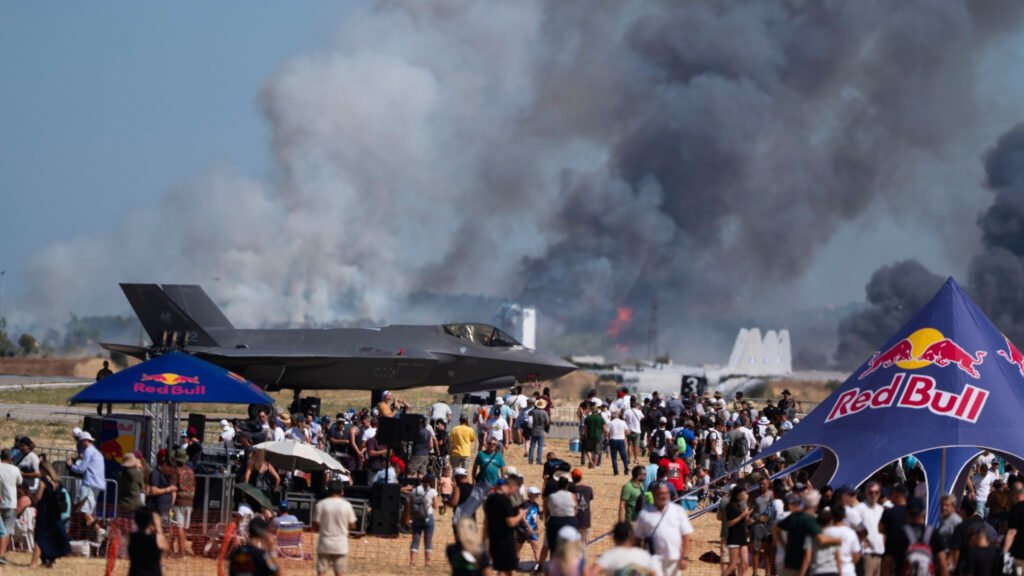
The incident happened on Saturday, September 5, during Athens Flying Week, a major aviation gathering held near the Greek capital. The aircraft was taking part in the scheduled flying displays when it went down during a low-level maneuver.

Both crew members were killed in the crash, according to Greek authorities. The accident occurred while spectators were watching the air demonstration, prompting an immediate emergency response around the airfield.

Initial reports indicated that the fighter lost altitude before crashing approximately two kilometers from Tanagra Air Base. The impact was followed by a large fire and a column of dark smoke that could be seen from the surrounding area.

Firefighters and emergency personnel rushed to the crash site as flames spread through nearby vegetation. A substantial firefighting operation was launched, involving aircraft and helicopters to contain the blaze and prevent it from spreading further.

Despite the severity of the accident and the presence of a large crowd at the aviation event, authorities reported no civilian casualties. Organizers subsequently halted the remaining demonstrations and directed spectators away from the area while emergency crews dealt with the aftermath.

The Greek Air Force later confirmed that the two people aboard the F-4 had died. The pilots were members of the 338 Squadron, part of the 117th Combat Wing based at Andravida. Their deaths prompted an outpouring of condolences from Greece’s military and political leadership.

The cause of the crash remains under investigation. Authorities have not yet said whether the aircraft experienced a mechanical problem, whether weather or operational conditions played a role, or whether the accident was connected to the demanding nature of the low-altitude display.

A formal inquiry will examine the aircraft’s final movements and the circumstances immediately before the crash. Investigators are expected to study flight information, communications with ground personnel and available recordings from the air show.

Officials are likely to examine whether the aircraft was operating within the required parameters for the demonstration and whether any warning signs appeared before the jet descended toward the ground.

The tragedy also led to changes in the schedule of Athens Flying Week. Remaining events were canceled following the accident as authorities and organizers responded to the loss of the two airmen.

Greece’s Defense Minister was among those who responded to the incident, while the armed forces announced a period of mourning for the fallen pilots. Government officials expressed sympathy to the families, colleagues and friends of the two officers.

The crash has also attracted international attention because the F-4 Phantom is a veteran aircraft type that has served with numerous air forces around the world. Greece remains one of the countries that has continued operating upgraded versions of the aircraft.

Although the F-4 has undergone modernization during its Greek service, the platform dates back several decades. Its continued use reflects the aircraft’s long operational history, even as newer generations of fighter aircraft increasingly form the backbone of modern air forces.

For spectators who had gathered to watch military and civilian aircraft perform, the accident brought an abrupt end to what had been a major aviation celebration. Footage showing smoke rising from the crash area circulated following the incident.

Authorities have urged people to avoid speculation while the investigation continues. Determining the precise cause will require investigators to reconstruct the aircraft’s final moments and examine all available evidence.

The deaths of the two pilots have left the Greek Air Force mourning members of its combat aviation community. Their colleagues are expected to pay tribute as the investigation into the crash continues.

For now, the focus remains on establishing what caused the F-4 Phantom to lose altitude and crash during the demonstration. Further findings are expected once investigators have completed their examination of the aircraft, flight data and surrounding circumstances.

Farage Faces Fresh Scrutiny Over Undercover Talks on Foreign Donations

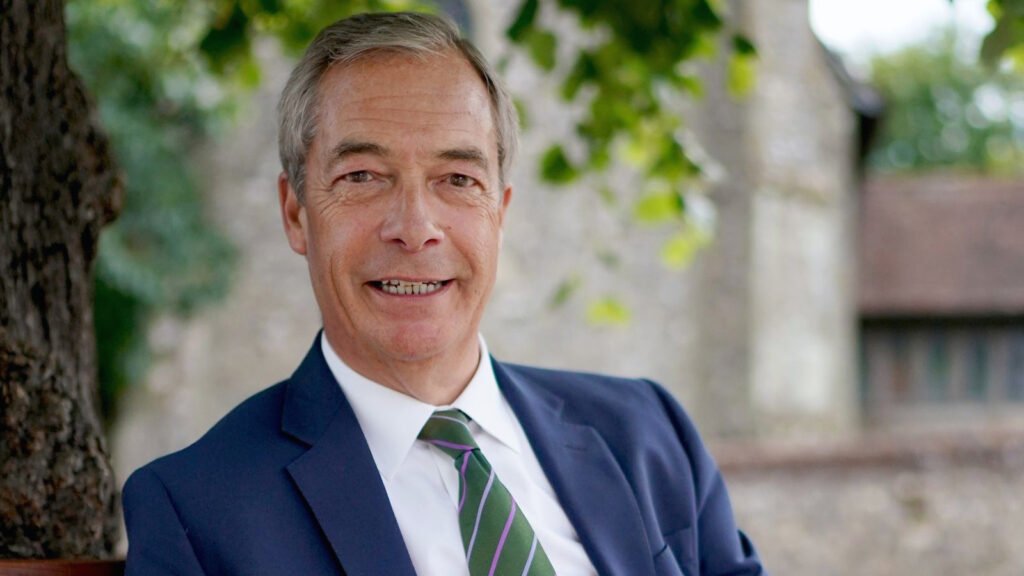
Reform UK leader Nigel Farage is facing renewed scrutiny following an undercover investigation into discussions about foreign funding and political polling, placing the party under pressure during its annual conference in Birmingham.

The controversy centers on secretly recorded meetings involving senior Reform figures and people posing as potential supporters. The footage has prompted questions over whether discussions within the party crossed the boundaries of Britain’s rules governing political donations from overseas.

Farage has rejected claims that Reform UK accepted illegal funding and has characterized the undercover operation as an attempt to entrap party officials. He has also sought to distance himself from some of the conversations captured during the meetings.

Speaking about the footage, Farage said he was not paying attention during an important part of the discussion, telling the BBC that he “wasn’t even listening.” He nevertheless acknowledged that some of the comments made during the meeting were inappropriate and said the situation should not have occurred.

The investigation involved journalists posing as a potential Reform supporter and a wealthy American father. According to reports, the undercover operation recorded discussions concerning political polling that had been commissioned by the party. A payment of roughly £30,000 to £32,500 for polling has become one of the central issues in the controversy.

British electoral rules place restrictions on political donations from impermissible foreign sources. The allegations have therefore raised questions about whether the arrangements discussed in the recordings complied with the country’s political funding laws.

Two senior Reform officials have since stepped aside while the party examines the allegations. Dan Jukes, a close aide to Farage, and James Orr, the party’s head of policy, were suspended following the publication of the undercover footage. Reform said the move would allow an internal investigation to take place independently.

The party has maintained that it did not deliberately break electoral law. Farage has insisted that no illegal money was accepted, arguing that the recorded conversations represented informal discussions rather than evidence of an actual unlawful transaction.

The Metropolitan Police has said it is aware of the allegations and will assess information relating to the reported potential breach of political donation legislation. The police response means the controversy could face further scrutiny beyond Reform UK’s own internal investigation.

The polling issue has also attracted attention because of questions over how the research was presented publicly. The polling company involved has reportedly contacted the British Polling Council after concluding that its rules may have been breached.

For Farage, the timing of the controversy is particularly difficult. Reform UK’s annual conference was intended to provide an opportunity for the party to promote its political agenda and strengthen its image as a growing force in British politics. Instead, questions about donations and internal conduct have dominated much of the attention surrounding the event.

Party officials have attempted to shift the focus back toward policy. Economic proposals and other political priorities have been promoted during the conference, but the funding dispute has continued to overshadow those announcements.

The latest allegations also come after Reform UK has faced other questions about its finances and major donations. The party has attracted substantial financial backing in recent years, making transparency and compliance an increasingly important issue as it seeks to establish itself as a serious national political force.

Farage has argued that Reform remains committed to its political program despite the controversy. However, the suspension of two senior figures and the prospect of further examination by authorities have created additional challenges for the party’s leadership.

The investigation has not established that Reform UK committed an electoral offence, and the allegations remain subject to assessment. Nevertheless, the affair has placed renewed attention on the party’s internal controls, its approach to political funding and Farage’s own role in meetings involving prospective donors.

As scrutiny continues, Reform UK will be under pressure to demonstrate that its fundraising arrangements comply fully with Britain’s electoral rules. For Farage, meanwhile, explaining what he knew about the discussions—and what he did not—is likely to remain an important part of the political fallout from the undercover investigation.

Police Take £200,000 Supercar Off the Road Under New Driving Powers

A Lamborghini worth more than £200,000 has been taken off the road by police in Essex following allegations of dangerous driving in Southend, in what authorities say demonstrates the tougher approach now available to officers dealing with antisocial behavior on the roads.

The high-performance vehicle was seized after police received information about the manner in which it was allegedly being driven. Officers said the car was believed to have been travelling at more than twice the permitted speed limit.

The seizure has attracted considerable attention because of the Lamborghini’s value. According to vehicle listings on AutoTrader, the particular model can be valued at approximately £238,195, depending on its specification and condition.

Essex Police used powers available under Section 59 of the Police Reform Act to remove the vehicle. The legislation allows officers to seize vehicles when they are being used in a way that causes, or is likely to cause, alarm, distress or annoyance to members of the public.

The rules surrounding Section 59 were strengthened earlier this year, providing police with greater scope to intervene in cases involving antisocial or dangerous driving. The changes are designed to give officers a faster way of dealing with motorists whose behavior creates a significant risk or disturbance.

Under the previous approach, drivers could generally receive a warning before a vehicle was confiscated under the legislation. If qualifying behavior happened again within the relevant period, officers could then take further action.

The revised powers give police more flexibility to seize a vehicle immediately when circumstances meet the required threshold. Officers can also have wider authority to recover vehicles from private premises, including situations in which reasonable force may be required.

A range of driving behaviors can potentially trigger enforcement under the strengthened rules. Police have highlighted activities such as dangerous speeding, street racing, drifting, burnouts, wheelspins and excessive engine revving as examples of conduct that can create serious disruption or danger.

The objective is not simply to punish individual motorists but also to protect communities from repeated disturbances. Antisocial driving can create risks for pedestrians and other road users, particularly when high-powered vehicles are driven aggressively in residential or built-up areas.

The case in Southend comes amid a broader effort by police forces across Britain to use stronger enforcement measures against disruptive driving. Luxury and performance cars have increasingly featured in such operations when officers believe their owners or drivers have used them unlawfully or irresponsibly.

Similar enforcement activity has been seen in London, where police have previously confiscated dozens of luxury vehicles during operations targeting antisocial driving. High-value brands including Lamborghini, Ferrari and Bentley have been among the vehicles removed from the roads.

The use of Section 59 powers means that the financial value of a vehicle does not prevent police from taking enforcement action. Whether a car is an inexpensive everyday vehicle or a supercar worth hundreds of thousands of pounds, officers can intervene when the legal conditions for seizure are met.

The latest Lamborghini case also serves as a warning to drivers of powerful vehicles that aggressive or disruptive behavior on public roads can have significant consequences. A vehicle can be removed from the road even when its owner has invested a substantial amount of money in it.

Authorities are continuing to address the circumstances surrounding the Southend incident. Meanwhile, police are expected to make further use of their strengthened powers as part of efforts to discourage dangerous driving and reduce antisocial behavior in communities.

The seizure ultimately underscores a wider message from law enforcement: expensive cars and powerful engines do not place motorists outside the reach of the law, and drivers whose behavior puts others at risk can face immediate enforcement action.

U.S., Iran Trade Attacks on Vessels Amid Rising Gulf Tensions

Tensions between the United States and Iran have intensified after forces from both countries were involved in attacks targeting vessels in waters surrounding Iran, adding another dangerous development to an already volatile situation in the Gulf.

The latest confrontation has heightened concerns about maritime security and the potential impact on international shipping. The region includes some of the world’s most important routes for the transportation of crude oil and other energy supplies, making any prolonged disruption a major concern for global markets.

According to U.S. officials, Iran’s Islamic Revolutionary Guard Corps launched ballistic missiles toward two American Navy vessels operating in the region on Saturday, September 5. The U.S. military said the warships successfully avoided the incoming attacks and reported that no American personnel were hurt.

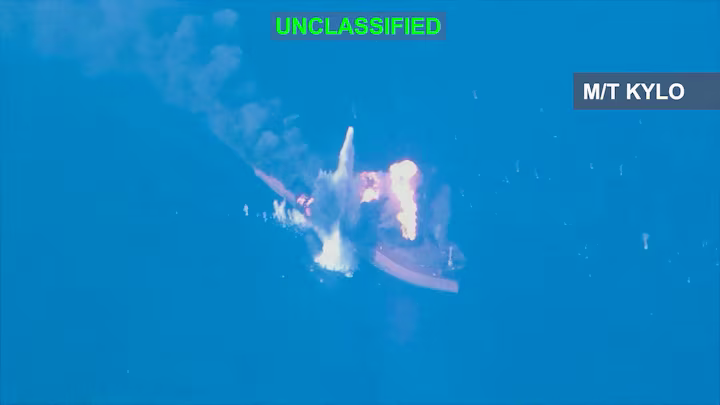
The United States subsequently carried out strikes against three Iranian oil carriers. American officials said the vessels were linked to networks associated with Iran’s Islamic Revolutionary Guard Corps. The reported targets included ships operating near Kharg Island, an important center for Iran’s oil exports, as well as another vessel near Jask. A third vessel was reportedly destroyed in the Gulf of Oman.

The exchange marks a further expansion of the conflict into the maritime sphere, where commercial vessels and oil tankers face increasing risks. Washington has sought to place greater pressure on Iran’s oil industry, while Tehran has continued to challenge American military activity and restrictions affecting Iranian shipping.

Iran has also reported attacks against vessels. Iranian authorities said their forces targeted three tankers that were traveling through routes they considered unauthorized in the Strait of Hormuz. Tehran additionally claimed that other vessels connected to the United States had come under attack. Some of those claims could not be independently confirmed.

The Strait of Hormuz remains at the center of international concern because of its importance to global energy transportation. The narrow passage links the Persian Gulf with the Gulf of Oman and serves as a critical route for oil shipments moving toward international markets.

Any sustained military confrontation in or around the waterway could have consequences well beyond the United States and Iran. Shipping operators may face higher insurance costs, longer routes and increased security requirements if threats to commercial vessels continue.

Energy markets are also monitoring the situation closely. A significant reduction in tanker traffic through the Gulf could affect crude supplies and potentially lead to higher oil prices. Even the possibility of prolonged disruption can create uncertainty for traders and governments dependent on stable energy supplies.

The latest maritime clashes follow a period of renewed military confrontation between Washington and Tehran. Both sides have continued to issue warnings and threats, with the United States signaling that attacks on American forces could prompt further military action.

Iran, meanwhile, has maintained that it has the right to defend its vessels and interests against what it considers hostile American operations. Tehran has warned that continued U.S. pressure could lead to stronger responses in the region.

The situation remains fluid, and the possibility of additional incidents at sea is creating concern among governments, shipping companies and international energy markets. Commercial vessels operating near Iranian waters are likely to face increased scrutiny as the confrontation develops.

For now, attention is focused on whether Washington and Tehran can prevent the maritime exchanges from becoming a broader campaign against shipping. Further attacks involving military or commercial vessels could significantly widen the conflict and increase risks across the Gulf.

As both sides maintain their military positions, international observers are closely watching developments around the Strait of Hormuz and other strategic waterways. The coming days could determine whether the latest confrontation remains contained or becomes another major escalation in the wider U.S.-Iran conflict.

Bruce Campbell Opens Up About Facing an Uncertain Future With Cancer

Bruce Campbell is speaking openly about the reality of living with cancer after revealing that doctors have given him a prognosis of approximately five years. The Evil Dead star, however, says he is determined not to allow the diagnosis to become a countdown or overshadow the life he still wants to lead.

Campbell discussed his health during a recent appearance on The Adam Carolla Show, where he was asked about the cancer diagnosis he first made public earlier this year. According to Campbell, his current prognosis has been described as a “five-year deal.” When host Adam Carolla clarified whether that meant he had roughly five years to live, Campbell responded, “Give or take.”

The latest disclosure provides a clearer picture of Campbell’s situation than his initial announcement in March. At that time, the actor revealed that he had been diagnosed with a form of cancer that was treatable but not curable. He did not publicly identify the specific type of cancer and said he did not intend to provide extensive medical details.

Campbell also indicated that his illness has affected him mentally as much as, or perhaps more than, physically. Speaking about the experience, he described cancer as something that can create a series of complications requiring constant attention. Rather than becoming consumed by researching the disease or focusing on worst-case scenarios, he said he has chosen to approach his circumstances differently.

“I’ve decided pretty specifically though to live with it, not die from it,” Campbell said during the podcast appearance.

That outlook has become a central part of the actor’s approach to his diagnosis. Campbell has acknowledged that receiving a serious prognosis can change a person’s perspective, but he does not want cancer to determine how he spends his remaining time.

Earlier in the year, Campbell had already begun scaling back some professional commitments so he could concentrate on treatment. His decision affected appearances and fan conventions, areas that have played an important role in his relationship with audiences throughout his career.

Despite those changes, the actor has continued working on creative projects. He is currently promoting Ernie & Emma, a film he wrote, directed, produced and stars in. The project is also taking him on an 18-city screening tour, giving him an opportunity to remain professionally active while sharing the movie with audiences.

Campbell’s career has made him particularly familiar to horror and genre fans. He became widely recognized for playing Ash Williams in Sam Raimi’s The Evil Dead, a role he later reprised in Evil Dead II, Army of Darkness and the television series Ash vs. Evil Dead. He has also appeared in projects outside the franchise, including the television series Burn Notice and Raimi’s Spider-Man films.

His latest comments have generated renewed attention because they reveal the seriousness of his current prognosis, but Campbell has continued to emphasize the importance of living in the present rather than constantly thinking about the future.

He has also spoken about gaining a stronger appreciation for everyday life since receiving his diagnosis. In a conversation with TheWrap, Campbell described a newfound sense of appreciation and gratitude, suggesting that the experience has changed the way he looks at the present.

Campbell’s five-year estimate should not be interpreted as a precise prediction of his lifespan. The actor has not publicly disclosed the specific cancer involved, its stage or the medical factors behind the prognosis. His comments represent the outlook he says has been given to him by his doctors.

For now, Campbell appears focused on continuing his treatment while maintaining his work and personal priorities. Rather than allowing the diagnosis to define his identity, he has chosen to keep moving forward and make use of the opportunities available to him.

His latest message reflects a combination of realism and determination. While acknowledging the uncertainty surrounding his future, Campbell is making clear that he intends to spend that future living rather than simply waiting for the disease to determine what happens next.

European Airports Brace for Lengthy EES Queues as New Checks Tighten

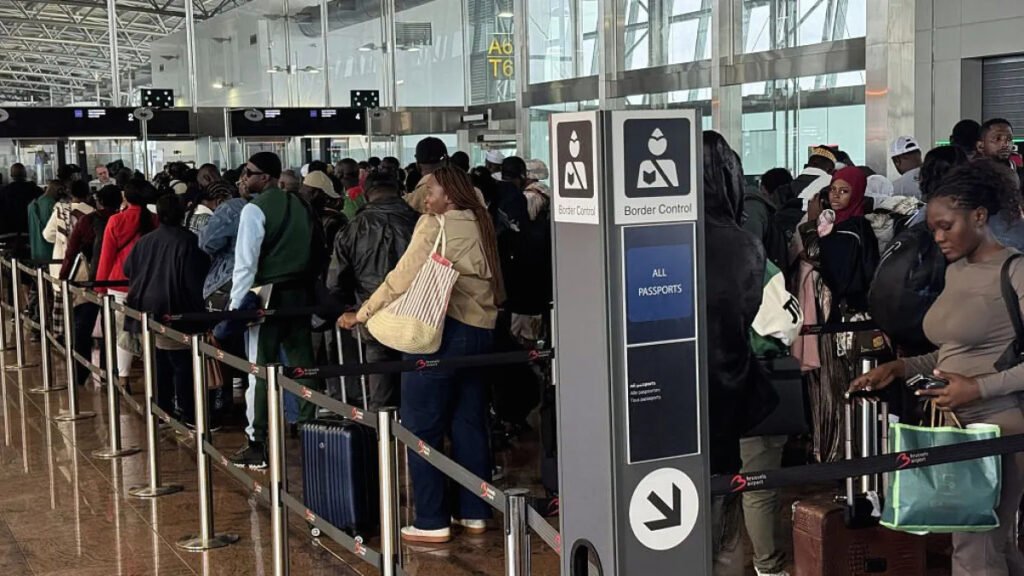
European airports are facing fresh concerns over lengthy border-control queues as the European Union’s Entry/Exit System (EES) moves into a stricter phase. The digital border system is expected to place continued pressure on airports, particularly during busy travel periods when large numbers of passengers arrive at the same time.

The EES is designed to modernize border controls across the Schengen area by replacing traditional passport stamps with a digital registration system. Non-EU travellers visiting for short stays are generally required to have their passport details recorded electronically, along with biometric information such as fingerprints and facial images.

Although the system is intended to improve border security and make passenger processing more efficient over time, its introduction has created challenges for airports and border authorities. The additional procedures can take longer, especially when travellers are completing their biometric registration for the first time.

Airports in popular destinations such as Greece, Spain and France are among those facing particular attention as authorities prepare for periods of increased passenger traffic. Several European airports have already experienced significant congestion during the rollout, with queues becoming especially difficult to manage when technology, staffing and passenger volumes combine to slow processing.

The situation could become more challenging as temporary measures introduced to manage exceptionally long queues are phased out. During earlier stages of the rollout, some countries were able to temporarily ease or suspend biometric checks when border areas became severely congested. Authorities are now expected to have fewer opportunities to use such measures, increasing concerns about how airports will cope during peak periods.

Airlines have also raised concerns about the effect of longer border checks on flight connections. Passengers who spend hours waiting to complete immigration formalities can miss onward flights, potentially creating further disruption across busy European airports.

Recent reports have highlighted the scale of the problem during the summer travel season. Some airports, including destinations such as Corfu and Tenerife, experienced pressure linked to the new border procedures. Airlines and industry representatives have warned that delays at immigration controls can have consequences well beyond the airport terminal, particularly when passengers are travelling on connecting itineraries.

The introduction of EES requires significant coordination between airport operators, border officials and technology providers. Adequate staffing and reliable biometric equipment are considered essential to preventing bottlenecks. Self-service facilities can also help reduce pressure by allowing eligible passengers to complete parts of the registration process before reaching a border-control officer.

Travel organizations have consequently called for authorities to ensure that airports are properly equipped before the system is applied without the same level of emergency flexibility. Industry representatives have emphasized the importance of sufficient personnel, functioning equipment and clear procedures for handling large passenger flows.

For travellers, the most important issue is uncertainty over how long border processing may take. While reports of potential five-hour queues have raised alarm, such delays are not expected to occur at every airport or on every day. The length of a wait can depend on passenger numbers, staffing, equipment performance and the time required to register new travellers.

Passengers heading to Europe are therefore being encouraged to allow additional time for immigration procedures, particularly if they are travelling through major airports or have a connecting flight. Tight connections could carry greater risks while airports and border authorities continue adapting to the new system.

European officials maintain that EES is ultimately intended to create a more secure and streamlined system for managing travel across the Schengen external border. Once the initial transition is complete, authorities expect digital records and biometric identification to make border management more consistent.

The immediate challenge, however, is ensuring that the transition does not create excessive disruption. As stricter EES procedures take effect, airports across Europe will be closely monitored to see whether they can handle heavy passenger volumes without a return to the lengthy queues seen during earlier stages of implementation.

For travellers, the message is straightforward: the new system is becoming an increasingly important part of European border checks, and allowing extra time at the airport could help reduce the risk of missed connections and unexpected delays.

Europe’s September Heatwave Raises Questions Over UK’s Weather Ahead

A fresh spell of intense heat across Europe is putting the region’s early-September weather back in the spotlight, with temperatures in parts of the south expected to approach or exceed 40°C. The surge has also prompted renewed questions about whether Britain could experience another period of unusually warm weather before autumn takes hold.

Southern Europe is bearing the brunt of the latest heat, as hot air moving north from Africa combines with a strong area of high pressure. Parts of Spain, France and Italy are among the locations facing particularly high temperatures, while areas around the Mediterranean are also expected to experience very warm conditions.

The European heat comes shortly after an exceptional summer in Britain. The UK recorded its warmest summer on record, according to provisional Met Office figures, which placed the average temperature for June, July and August at 16.5°C.

That record has naturally led to speculation about whether the UK could be heading toward another heatwave. However, forecasters have warned that a warmer spell should not automatically be interpreted as a prolonged heatwave.

The UK’s September weather is expected to remain variable. Southern and eastern parts of the country could experience periods of above-average temperatures and relatively dry conditions, while northern and western areas face a greater possibility of rain and unsettled weather.

A few particularly warm days are possible, but predicting a sustained period of extreme heat remains difficult. Weather patterns can change significantly over several days, and confidence in detailed forecasts decreases as the outlook moves further into the month.

For a spell to officially qualify as a heatwave, temperatures must reach the relevant regional threshold for at least three consecutive days. Those thresholds differ across the UK because of regional variations in typical climate conditions.

This means that even if temperatures climb noticeably in parts of England and Wales, the conditions may not necessarily meet the technical definition of a heatwave.

The contrast with continental Europe is likely to remain significant. While Britain could experience some warmer conditions, southern European countries are dealing with a much more intense heat event. The combination of high pressure and hot air from North Africa is creating the potential for temperatures close to 40°C or higher in some locations.

The latest European heat also follows a summer in which extreme temperatures were recorded across several countries. Climate scientists have increasingly linked the growing frequency and intensity of such events to human-driven climate change.

Britain has experienced its own share of extreme weather this year. The country’s record-breaking summer included several heatwaves and unusually dry conditions, placing pressure on water resources and increasing concerns about drought in some areas.

The Met Office has also indicated that human-caused climate change substantially increased the likelihood of the exceptional average temperatures recorded during the UK’s summer.

As September progresses, Britain’s weather is expected to alternate between warmer and more unsettled periods. Later in the month, there could be opportunities for more settled weather, but it is too early to say whether that would develop into another significant heat event.

For the moment, there is no firm indication that the UK will experience a prolonged heatwave comparable with the intense conditions affecting southern Europe. Temperatures may rise above seasonal averages in some areas, particularly across the south and east, but cooler and wetter conditions could also return quickly.

The latest European heat surge nevertheless demonstrates how quickly summer-like conditions can return even as autumn approaches. With southern Europe facing temperatures near 40°C, forecasters and the public in Britain will be watching closely to see how the broader weather pattern develops.

For UK residents, the message remains one of uncertainty rather than alarm. A warm September spell is certainly possible, but whether Britain sees another official heatwave will depend on how persistent the high-pressure pattern becomes and how far the continental heat is able to extend northward.

Rapid Isak Double Gives Iraola Winning Start at Liverpool

Liverpool finally secured their first Premier League victory under Andoni Iraola after Alexander Isak delivered a decisive early double in a 2–0 win over Ipswich Town at Portman Road.

The Swedish striker needed just nine minutes to make his mark, scoring twice in quick succession and giving Liverpool a comfortable advantage before Ipswich could establish any rhythm. Cody Gakpo played a key role in both goals, providing the assists that allowed Isak to punish the home defence.

The victory gave Iraola a much-needed breakthrough after Liverpool began his tenure with consecutive 2–2 league draws against Newcastle United and Nottingham Forest. The result also offered an early sign that the team is beginning to adapt to the manager’s approach.

Liverpool opened the scoring after only six minutes. Gakpo picked out Isak inside the area, and the forward reacted quickly to send a powerful shot toward goal. Ipswich goalkeeper Kjell Scherpen got a hand to the effort but was unable to keep it out.

The visitors struck again moments later. Gakpo once more found Isak, this time with a well-weighted pass into space behind the Ipswich back line. Isak stayed composed, controlled the ball and finished confidently to complete his rapid brace.

The two goals also marked an encouraging turnaround for Isak following a difficult first season at Anfield. Fitness problems limited his involvement last campaign, but the forward has started the new season in considerably stronger form. His double against Ipswich took his league tally to three goals from Liverpool’s opening three matches.

While the goals attracted most of the attention, Iraola will also have been pleased with Liverpool’s defensive display. Having conceded four goals in each of their opening league games, the visitors produced a controlled performance at the back and finished the night with a clean sheet.

Ipswich attempted to respond after the early setback but struggled to create enough clear opportunities. Liverpool remained the more threatening side and continued to find openings as the match progressed.

Isak even appeared to have completed a hat-trick after the interval when he converted a cross from Florian Wirtz. However, the goal was ruled out for offside, denying him the chance to leave the pitch with three goals.

Ipswich goalkeeper Scherpen was also called upon several times as Liverpool looked for a third. His saves helped keep the scoreline respectable and prevented the visitors from turning their early advantage into a heavier defeat.

Another notable moment came when Bradley Barcola made his Liverpool debut. The forward arrived from Paris Saint-Germain in a major transfer and was introduced during the second half, giving Iraola another attacking option as he continues to shape his squad.

Liverpool ultimately did not need another goal. Their early advantage proved sufficient, with the team managing the remainder of the contest professionally to secure all three points.

For Ipswich, the defeat represented another difficult evening after their return to the Premier League. The hosts were unable to recover from their disastrous opening spell and were left chasing the game for much of the contest.

The result moves Liverpool onto five points from their first three league fixtures and provides Iraola with his first win since taking charge. More importantly, the performance combined attacking efficiency with defensive discipline—two areas the manager will hope can become consistent features of his Liverpool side.

For Isak, meanwhile, the evening could prove especially significant. After an injury-affected campaign, his lightning-fast double has provided a timely reminder of his finishing ability and given Liverpool supporters renewed confidence in what he can contribute this season.

U.S. Sees Sharp Rise in Cancer Deaths Attributed to Alcohol

Cancer deaths associated with alcohol consumption have increased dramatically in the United States over the past three decades, according to new research that highlights the growing impact of drinking on public health.

A study led by researchers at the Sylvester Comprehensive Cancer Center at the University of Miami found that annual alcohol-attributable cancer deaths in the country climbed from 11,361 in 1990 to 23,126 in 2023. The analysis examined more than 30 years of data from the Global Burden of Disease study and was published in The Lancet Regional Health – Americas.

The findings indicate that alcohol’s contribution to cancer mortality extends well beyond liver disease. Researchers identified links between alcohol consumption and several cancers, including those affecting the breast, colorectum, esophagus, pancreas, prostate, stomach, liver, and head and neck.

Men and adults aged 55 and older experienced the greatest overall burden, although increases were reported across most age groups, cancer categories and regions. Researchers said the results demonstrate that alcohol-associated cancer is not confined to one demographic or a single type of disease.

The pattern varied between men and women. Among men aged 55 and older, liver cancer represented the largest alcohol-attributable cancer mortality burden, followed by esophageal and colorectal cancers. Breast cancer was the leading alcohol-related cancer cause of death among older women.

Younger adults also showed concerning patterns. For men between 20 and 54, colorectal cancer was the leading alcohol-attributable cause of cancer death. Among women in the same age range, breast cancer ranked first, followed by colorectal cancer.

The researchers emphasized that alcohol is a recognized carcinogen. The International Agency for Research on Cancer classifies alcohol as a Group 1 carcinogen, a category used for substances with established evidence of causing cancer in humans. Alcohol’s cancer risks are therefore not limited to the consequences of heavy or prolonged drinking.

The latest findings come amid growing attention to the amount of alcohol that may contribute to cancer risk. Federal health authorities have previously estimated that alcohol is responsible for tens of thousands of cancer cases and deaths in the United States each year. The U.S. Surgeon General has also identified alcohol consumption as an important preventable cancer risk factor.

Researchers say the connection remains poorly understood by many members of the public. Alcohol is often discussed in relation to liver damage, but its potential role in breast, colorectal, esophageal, pancreatic and other cancers receives considerably less attention.

The study’s authors argue that greater awareness could help people make more informed decisions about alcohol consumption. Because drinking is a potentially modifiable risk factor, reducing alcohol intake may form part of broader efforts to lower cancer risk.

The researchers also noted significant geographic differences across the United States, indicating that alcohol-attributable cancer mortality does not affect every area equally. Nevertheless, the national increase provides a broader warning about the changing scale of alcohol-associated cancer mortality.

The rise from 11,361 alcohol-attributable cancer deaths in 1990 to more than 23,000 in 2023 represents a substantial increase over a single generation. While overall cancer mortality trends can be influenced by many factors, researchers say the findings underscore the importance of recognizing alcohol as part of the cancer-prevention conversation.

As awareness of lifestyle-related cancer risks continues to grow, the study adds to evidence that alcohol should be considered alongside other established and potentially preventable contributors to cancer.