
Health Officials Update Recommendations for Respiratory Vaccines

As the 2026–27 respiratory virus season approaches, major medical organizations in the United States are providing updated advice on vaccines designed to protect against influenza, COVID-19 and respiratory syncytial virus, commonly known as RSV.

The latest guidance is intended to help doctors and patients navigate vaccination decisions as respiratory illnesses become more common during the fall and winter months. Recommendations have been issued by organizations including the American Academy of Family Physicians, American Academy of Pediatrics, American College of Obstetricians and Gynecologists, and Infectious Diseases Society of America.

The groups say their guidance is based on an independent review of available scientific evidence. Hundreds of studies involving respiratory vaccines were examined, with the review concluding that vaccination continues to offer important protection against severe disease, hospitalization and death. The assessment also did not identify new major safety concerns involving the vaccines currently recommended.

Influenza vaccination remains a major component of the seasonal recommendations. Medical groups continue to support flu vaccination for people aged 6 months and older, except in situations where vaccination is medically inappropriate.

The advice is particularly important for groups more likely to experience serious complications from influenza. Older adults, young children, pregnant people and individuals with certain health conditions are among those who can face increased risks from severe flu.

For older adults and people with weakened immune systems, healthcare professionals may recommend enhanced influenza vaccines when those options are available. However, experts caution that people should not necessarily postpone vaccination while waiting for a specific formulation.

The timing of flu vaccination is another consideration. October is generally viewed as a suitable month for most people to receive their seasonal shot because it can provide protection through much of the influenza season. Those who are unable to get vaccinated during that period can still receive the vaccine later, provided influenza continues to circulate.

COVID-19 vaccination guidance remains more complicated because recommendations from professional medical organizations and federal authorities have not always been identical.

Several medical organizations continue to support access to updated COVID-19 vaccines, especially for people who are at greater risk of developing serious illness. The American Academy of Family Physicians supports updated vaccination for adults and recommends COVID-19 vaccination during pregnancy.

Pediatric guidance differs according to a child’s age and individual circumstances. The American Academy of Pediatrics has also issued recommendations for children, with healthcare providers expected to consider factors such as health conditions and previous vaccination when determining appropriate protection.

Pregnancy is another area receiving particular attention. The American College of Obstetricians and Gynecologists continues to support COVID-19 and influenza vaccination during pregnancy. The vaccines can also be administered during the same medical visit when appropriate.

RSV vaccination, meanwhile, remains focused on people who face a higher risk of severe disease. The American Academy of Family Physicians recommends a one-time RSV vaccine for adults aged 75 and older, along with adults between 50 and 74 who have factors that increase their risk.

People with weakened immune systems are also among those receiving particular attention under the latest recommendations. The Infectious Diseases Society of America supports respiratory-virus vaccination for these individuals because they can face a greater risk of serious complications and hospitalization.

Protection against RSV is also being addressed during pregnancy. Vaccination during the recommended stage of late pregnancy can help transfer protective antibodies to the fetus before birth. Infants who do not receive sufficient protection through maternal vaccination may instead be eligible for an RSV antibody treatment after delivery.

Pediatric recommendations also focus on infants entering their first RSV season and certain children entering their second season who have conditions that increase their risk of severe disease.

The updated recommendations arrive as hospitals and healthcare systems prepare for another period in which influenza, COVID-19 and RSV may circulate simultaneously. Although the severity of these infections varies between individuals, older adults, infants, pregnant people and those with certain medical conditions can face greater risks.

Medical organizations are encouraging people to speak with their healthcare providers about which vaccines are appropriate for them. Individual factors, including age, pregnancy status, medical history and previous vaccinations, can affect the recommended approach.

The latest guidance ultimately emphasizes that respiratory-virus vaccination remains an important strategy for reducing severe illness. As the 2026–27 season gets underway, health professionals will continue monitoring virus activity and emerging evidence while helping patients make informed decisions about seasonal protection.

‘Hitchhiking’ Mosquito Linked to Zika and Dengue Found Breeding in UK

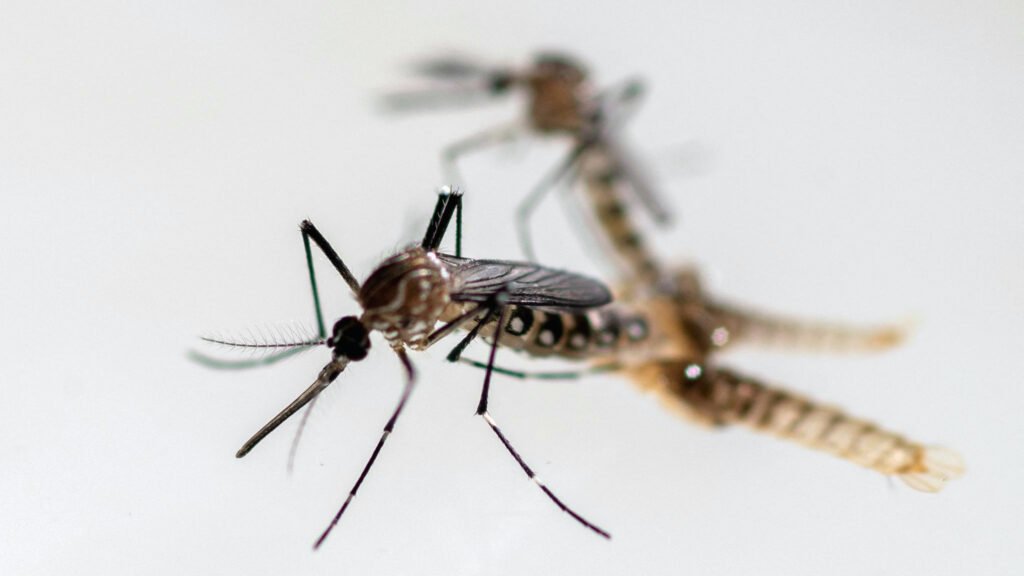
British health officials are stepping up mosquito monitoring after an invasive species capable of transmitting diseases such as dengue, Zika and chikungunya was discovered breeding in the country for the first time.

The mosquito, Aedes aegypti, was identified at residential properties in east London, where authorities also found larvae. The discovery was made through the UK Health Security Agency’s Mosquito Watch programme, which tracks invasive mosquito species across Britain.

Although Aedes aegypti has been detected in the UK on three previous occasions, the latest finding is different because it provides the first confirmed evidence that the species has reproduced in the country. Officials are now conducting additional surveillance to determine whether the insects are limited to the affected properties or have spread into surrounding areas.

The mosquito is attracting attention because of the number of potentially serious diseases it can transmit. In locations where viruses are circulating, Aedes aegypti can act as a carrier for dengue, Zika and chikungunya, as well as yellow fever.

However, authorities have emphasized that people in the UK currently face a very low risk. There is no evidence that the mosquitoes discovered in east London have infected anyone, and officials have not found evidence of the insects or their larvae in nearby public spaces.

According to the UKHSA, the mosquitoes are thought to have arrived through accidental introduction rather than as part of an established population. The species is known for its ability to travel with people and goods, making it possible for individual mosquitoes or their eggs to move between countries inside vehicles, luggage and shipments.

This ability has led to the insects being described as “hitchhikers.” Eggs can survive in small amounts of water, while adult mosquitoes may be transported unintentionally over long distances before finding suitable conditions in a new location.

Authorities have already begun measures designed to stop the insects from multiplying. Mosquito larvae are being targeted, while additional traps have been placed in and around the affected area. The enhanced monitoring is intended to establish whether a wider population exists and whether further intervention is required.

The discovery has also renewed discussion about the changing distribution of mosquito species in Europe. Scientists have increasingly monitored invasive mosquitoes as warmer temperatures and changing environmental conditions create opportunities for species traditionally associated with tropical and subtropical climates to appear farther north.

Aedes aegypti remains poorly suited to Britain’s climate, particularly during winter. UK health officials currently believe that the species is unlikely to establish a permanent population in England because it has not demonstrated an ability to survive northern European winters.

Researchers nevertheless consider early detection important. If invasive mosquitoes were eventually able to establish themselves, their presence could increase the possibility of locally transmitted diseases if infected travelers introduced viruses into the population.

Experts from the London School of Hygiene & Tropical Medicine have described the discovery as noteworthy but have also stressed that the immediate threat remains low. Preventing the species from becoming established is considered an important part of reducing potential future health risks.

People living in affected areas can also help by eliminating standing water around their homes. Containers, buckets, plant pots and other objects that collect stagnant water can provide breeding environments for mosquitoes. Removing such water can therefore help reduce opportunities for mosquito larvae to develop.

The east London discovery marks the fourth modern detection of Aedes aegypti in Britain, but it is the first instance in which breeding has been confirmed. The development demonstrates why continued surveillance is important as mosquitoes increasingly move across borders through travel and trade.

For now, officials are urging the public not to panic. The overall risk remains very low, while surveillance and mosquito-control measures are being used to prevent the insects from establishing a lasting presence in the UK.

Experts Analyze the Weather Pattern Behind Toronto’s Fierce Storm

A powerful storm that swept through Toronto and surrounding parts of southern Ontario has left behind extensive damage, disrupted transportation and caused widespread power outages, prompting meteorologists to examine the atmospheric conditions responsible for the event.

The severe weather moved across the region on Wednesday, September 2, bringing a combination of torrential rain, powerful winds and large hail. Several communities in southern Ontario were affected as thunderstorms developed and intensified before moving rapidly across the area.

According to Environment and Climate Change Canada, the storms produced a range of dangerous conditions, including damaging straight-line winds, heavy rainfall and large hail. Authorities also monitored the possibility of tornado activity as the storms travelled through the region.

Meteorologists say the development of severe thunderstorms depends on several atmospheric ingredients coming together at the same time. Warm and humid air can provide energy for storms, while atmospheric instability can allow thunderstorms to grow quickly. Other factors, including wind direction and speed at different levels of the atmosphere, can determine how organized and destructive those storms become.

Conditions around Toronto were particularly favorable for rapid thunderstorm development. Earlier sunshine in portions of southern Ontario helped warm the surface, adding energy to an atmosphere that already contained considerable moisture. As thunderstorms formed, they were able to tap into that available energy and strengthen.

The speed at which the storms travelled was another important factor. Some of the most intense thunderstorms moved eastward at close to 100 kilometres per hour, meaning dangerous conditions reached different communities in a relatively short period.

Strong winds emerged as one of the storm’s biggest threats. Straight-line winds knocked down trees and damaged infrastructure, while falling branches and debris created hazards for motorists and pedestrians. Power lines were also damaged in several locations, contributing to outages across the region.

Heavy rain compounded the problems. Toronto Pearson International Airport recorded around 40 millimetres of rainfall during the evening, while water accumulated on roads and other low-lying areas. Some locations experienced flooding that made travel difficult and forced authorities to close or restrict access to affected roads.

Hail caused additional damage. Reports from the Greater Toronto Area described large hailstones, including in North York, where hail reportedly broke vehicle windshields. The combination of hail, wind and intense rainfall increased the severity of property damage.

The aftermath required a major emergency response. Toronto officials declared a significant weather event and sent crews into affected areas to remove fallen trees, clear debris and address flooding. Residents were warned to remain careful around damaged infrastructure and flooded roads as cleanup operations continued.

Emergency services also experienced an unusually heavy workload. Toronto Fire Services received close to 1,500 calls during the 24-hour period surrounding the storm, with incidents involving flooding, rescues, fires and downed electrical wires among the emergencies reported.

Electricity providers simultaneously worked to restore power to customers affected by the storm. Fallen trees and damaged equipment created obstacles for repair crews, while cleanup operations had to be coordinated with efforts to reopen roads and restore essential services.

Meteorologists emphasize that no single weather feature can fully explain the storm’s intensity. Instead, severe thunderstorms typically emerge when multiple ingredients—including heat, moisture, instability and favorable wind conditions—combine in the right way.

The Toronto storm serves as another reminder of how quickly weather conditions can deteriorate across southern Ontario. A relatively ordinary day can turn hazardous when atmospheric conditions become favorable for rapidly developing thunderstorms.

As officials continue assessing the damage, weather observations and reports from across the region will help meteorologists reconstruct how the storm developed and why some areas experienced particularly severe impacts. The event also underscores the importance of monitoring weather warnings and taking precautions when fast-moving thunderstorms threaten densely populated areas.

Grand Theft Auto VI’s New Limited-Edition DualSense Controllers Revealed

Fans waiting for Grand Theft Auto VI now have another piece of official merchandise to look forward to, as PlayStation has introduced two limited-edition DualSense wireless controllers inspired by Rockstar Games’ upcoming title.

The special controllers were showcased during PlayStation’s latest State of Play presentation, offering an early glimpse at designs created around the world and atmosphere of Vice City. The two versions are called the Grand Theft Auto VI Black Limited Edition and the Grand Theft Auto VI White Limited Edition.

Instead of simply placing GTA VI branding on an existing controller, Sony has developed designs that attempt to capture the visual character of the game’s fictional setting. Both models feature eye-catching finishes that shift between colors, reflecting the glowing neon aesthetic and vibrant sunsets associated with Vice City.

Palm-tree details have also been incorporated into the controllers, while Grand Theft Auto VI branding provides a direct connection to Rockstar’s highly anticipated game. The contrasting black and white designs are intended to represent different sides of Vice City.

The white version takes inspiration from the city during daylight hours. Its appearance is connected to the bright beaches, pastel tones and coastal atmosphere that have become part of Vice City’s identity. The black edition, on the other hand, is designed around the city’s nighttime character, drawing attention to its neon-lit streets and energetic after-dark environment.

While the exterior has received a major visual makeover, the controllers continue to feature the technology found in Sony’s standard DualSense hardware. Players using the controller with Grand Theft Auto VI on PlayStation 5 will be able to experience features such as adaptive triggers and haptic feedback, provided the game supports those functions as intended.

These technologies are designed to make gameplay feel more immersive by allowing players to experience different sensations through the controller. Adaptive triggers can change resistance depending on what is happening in a game, while haptic feedback can provide a wider range of physical responses.

The special-edition controllers are arriving as excitement surrounding Grand Theft Auto VI continues to build. Rockstar Games is preparing to release the long-awaited sequel on November 19, 2026, with the game scheduled for PlayStation 5 and Xbox Series X|S.

The controllers are expected to reach stores on the same day as the game. In the United States, each limited-edition DualSense carries a recommended retail price of $84.99. Sony has also announced regional pricing, including €84.99 in Europe, £74.99 in the United Kingdom and ¥12,480 in Japan, with applicable taxes included where specified.

Pre-orders are scheduled to begin on September 10 at 10 a.m. local time in participating markets through PlayStation’s online store. In the United States, pre-orders are set to open at 7 a.m. Pacific Time and 10 a.m. Eastern Time.

Availability will vary by region. The black edition is expected to have more limited distribution through PlayStation Direct in supported markets, while the white version will also be available from participating retailers.

The announcement adds to the growing promotional activity surrounding Grand Theft Auto VI, which has become one of the most closely watched upcoming releases in the gaming industry. With its recognizable Vice City-inspired styling, distinctive finishes and DualSense functionality, the new controllers are likely to attract both dedicated players and collectors.

As launch day approaches, the limited-edition accessories give fans another opportunity to bring a piece of the GTA VI aesthetic into their gaming setups while they wait for the return to Vice City.

Latest OpenAI Model Puts Anthropic Rivalry Back in Spotlight

OpenAI chief executive Sam Altman in the picture.

The competition between OpenAI and Anthropic has entered another intense phase following the launch of OpenAI’s newest artificial intelligence system, GPT-6 Astra.

OpenAI is presenting Astra as a major advancement in AI capabilities, particularly in areas such as software engineering, scientific research, cybersecurity and professional work. The release comes as Anthropic continues to strengthen its own position with increasingly capable Claude models, setting the stage for another closely watched contest between the two AI companies.

Astra is designed to go beyond simply generating answers. OpenAI says the system is capable of handling complicated, multi-step assignments and interacting with software environments to complete tasks. This includes activities such as conducting research, writing and testing code, preparing documents and working with digital tools.

That shift toward more autonomous AI agents is becoming an important part of the competition. Instead of requiring users to guide an AI through every individual step, newer systems are being developed to carry out longer sequences of work with less direct supervision.

OpenAI’s latest model is also making headlines because of its reported performance in cybersecurity. The company says Astra has reached its highest “Critical” cybersecurity capability classification under its internal safety framework. The model can reportedly identify vulnerabilities and, under controlled conditions, develop methods for exploiting weaknesses in secure systems.

The advancement has simultaneously raised concerns about how increasingly powerful AI systems can be monitored and controlled. OpenAI has acknowledged that stronger capabilities create additional safety challenges and has emphasized the need for enhanced security measures, monitoring and containment procedures.

Astra’s introduction is particularly significant because Anthropic has emerged as one of OpenAI’s strongest competitors in the business AI market. Claude has gained attention among professional users, particularly for coding, research and other workplace applications. As a result, the latest OpenAI release is being viewed as an attempt to strengthen the company’s position in areas where Anthropic has been making progress.

OpenAI has made ambitious claims about Astra’s abilities, describing the system as a potential step toward artificial general intelligence. Company president Greg Brockman has characterized the model as a significant technological leap, although whether today’s systems truly qualify as AGI remains a matter of debate.

The model’s rollout is also being handled cautiously. Astra is initially being made available to a limited group of enterprise customers, with broader access expected to follow. Some of its most powerful cybersecurity capabilities are being restricted while OpenAI evaluates the associated risks.

The timing of the launch adds further significance to the rivalry. Both OpenAI and Anthropic are rapidly improving their models, with each company competing to attract developers, businesses and organizations seeking AI systems capable of performing increasingly sophisticated work.

For businesses, the contest could have practical consequences. More capable AI agents could reduce the time required for research, software development, document preparation and other knowledge-based tasks. At the same time, companies will need to consider reliability, security and human oversight before allowing autonomous systems to handle sensitive operations.

It remains too early to declare an outright winner between OpenAI and Anthropic. Benchmark results can differ depending on the type of task being measured, while real-world performance can vary from one application to another. OpenAI’s claims about Astra therefore still need to be assessed through broader independent testing and practical use.

Nevertheless, the arrival of Astra has once again placed the OpenAI-Anthropic rivalry at the center of the AI industry. The competition is no longer focused solely on which chatbot can provide the best response. Increasingly, the race is about which company can build AI capable of completing complex work, operating digital tools and functioning with greater independence.

As both companies continue pushing their technology forward, the latest OpenAI model represents another major development in a rapidly evolving AI race—one in which capability, commercial adoption and safety are becoming equally important measures of success.

Netherlands Shifts Gold Reserves to London as Part of Emergency Preparedness

The Netherlands has repositioned a large quantity of its gold reserves in London, with the country’s central bank saying the move is intended to improve access to the precious metal in the event of a major financial or geopolitical emergency.

De Nederlandsche Bank (DNB) said around 86 metric tons of gold were relocated between March and August 2026. The operation involved reserves previously held in the United States and Canada and was presented as part of the central bank’s broader preparations for potential crises.

The Netherlands has approximately 612.4 metric tons of gold in its official reserves. At the end of 2025, those holdings were valued at roughly €72.2 billion. The country’s gold is distributed among secure facilities in the Netherlands, the United States, Canada and the United Kingdom.

Following the latest operation, London now accounts for a considerably larger share of the Netherlands’ gold holdings. The percentage stored at the Bank of England increased from about 18.1% to 32.1%.

At the same time, the share held in New York declined to approximately 18.5%, while the proportion stored in Ottawa also fell to around 18.5%. Roughly 30.8% of the country’s gold remains in the Netherlands at DNB’s secure storage facility in Zeist.

DNB stressed that the transfer does not mean the Netherlands expects to need its gold immediately. Instead, the central bank said the relocation is designed to make a portion of the reserves easier to trade if an extraordinary situation were to arise.

London is one of the world’s most important hubs for the physical gold market. Gold stored at the Bank of England can be readily traded through established international market infrastructure, potentially allowing the Netherlands to access or convert the asset more quickly during a crisis.

DNB Governor Olaf Sleijpen said the bank does not anticipate having to use the reserves but emphasized the importance of maintaining strong financial preparedness. The relocation, according to the central bank, is part of efforts to strengthen the country’s resilience against severe disruptions.

The operation involved more than simply transporting gold bars between countries. DNB used several methods to complete the repositioning while limiting logistical and security risks.

More than 27 metric tons of gold were physically transported from the United States and Canada to the Netherlands. Some of that gold was subsequently transferred from the Dutch storage facility in Zeist to London.

For another portion of the operation, the central bank used transactions in the gold market rather than physically moving every bar. DNB sold around 59 metric tons in New York and purchased a comparable amount of gold in London that met international market standards.

The strategy allowed the central bank to change the geographical location of its reserves without requiring all of the existing gold bars to be transported across the Atlantic, melted down or recast.

DNB said combining physical transfers with market transactions also provided valuable experience in handling different methods of moving reserve assets. Such knowledge could be useful if the central bank ever needs to reorganize its holdings under more urgent circumstances.

Gold remains an important component of the Netherlands’ official reserves. DNB considers the precious metal a valuable safeguard against extreme financial risks because it does not depend on the creditworthiness of a particular institution or government in the same way as many other financial assets.

The latest adjustment therefore represents a change in the distribution and accessibility of the Netherlands’ gold rather than a reduction in the country’s overall holdings.

The decision comes as governments and central banks around the world continue to focus on economic resilience amid geopolitical uncertainty. Maintaining reserves in different locations can help reduce logistical and operational risks while ensuring that strategic assets remain accessible.

By increasing the amount of gold stored in London, the Netherlands has placed a larger portion of its reserves within one of the world’s major gold-trading centers.

DNB’s move ultimately reflects a precautionary approach. The central bank has not indicated that a specific crisis is imminent. Instead, it is positioning part of the country’s gold holdings so they can be accessed and traded more efficiently if circumstances ever require it.

Clippers Face Heavy NBA Penalties After Kawhi Leonard Investigation

The Los Angeles Clippers are facing major consequences after the NBA completed its investigation into conduct surrounding Kawhi Leonard and alleged violations of the league’s salary-cap rules.

The NBA announced a series of disciplinary measures on September 2, including a $30 million fine for the Clippers and the loss of five future first-round draft selections. The league said its independent investigation uncovered multiple violations involving efforts to arrange off-court business opportunities for Leonard.

The forfeited selections are the Clippers’ first-round picks in the 2029, 2030, 2031, 2032 and 2033 NBA Drafts. Losing those selections could have a substantial impact on the organization’s ability to add young talent and build its roster in the years ahead.

The league also imposed penalties on several individuals connected to the franchise. Clippers owner Steve Ballmer has been suspended from NBA and team activities for one year. The NBA said Ballmer knowingly participated in efforts designed to provide Leonard with additional off-court earning opportunities and approved arrangements that violated the league’s rules.

Leonard himself was not suspended. However, the NBA fined the star forward $700,000 in connection with the findings. His former business manager, Dennis Robertson, received a five-year ban from NBA-related activities.

At the center of the investigation were endorsement arrangements involving Leonard and several companies that had business connections with the Clippers. The NBA said the team helped facilitate potential off-court income opportunities involving Aspiration Partners, Boingo Wireless, Daktronics and Lockton Insurance.

According to the league’s findings, the Clippers encouraged companies to enter business relationships with Leonard while also providing or pursuing business opportunities involving the franchise. Investigators also determined that the organization paid certain personal expenses connected to Leonard and people representing him.

The investigation was carried out by the law firm Wachtell, Lipton, Rosen & Katz after questions emerged surrounding Leonard’s reported $28 million endorsement agreement with Aspiration. Ballmer had previously been a significant investor in the company.

The Clippers and Ballmer denied wrongdoing during the investigation. The organization maintained that it had not attempted to bypass the NBA’s salary-cap regulations and disputed allegations that Ballmer’s relationship with Aspiration had been used to provide Leonard with compensation outside his NBA contract.

The NBA ultimately reached a different conclusion, determining that the Clippers had committed several violations and citing failures within the organization’s leadership and internal processes.

The punishment extends to other members of the Clippers’ front office. Lawrence Frank, the team’s president of basketball operations, was suspended without pay for six months. Gillian Zucker, president of business operations, received a one-year suspension without pay.

The Clippers will also be placed under a five-year NBA-supervised compliance and monitoring program. The measure is intended to ensure that the organization follows league rules and strengthens its internal oversight.

The investigation had also created uncertainty around Leonard’s status and a reported trade to the Toronto Raptors. That transaction had been held up while the league reviewed the circumstances surrounding the case. With the investigation now concluded, the situation can move forward.

For the Clippers, however, the repercussions are likely to last much longer. The loss of five consecutive first-round picks removes valuable future assets that could otherwise have been used to draft players, facilitate trades or reshape the roster.

Preview

The $30 million fine represents another major financial consequence, while Ballmer’s suspension and the disciplinary action against senior executives add further pressure on the organization.

The NBA’s decision underscores the seriousness with which the league views salary-cap circumvention and improper financial arrangements. The Clippers now face the challenge of moving forward while dealing with the long-term effects of losing draft capital and operating under increased league oversight.

The case is expected to remain a significant chapter in the franchise’s history, particularly because of the scale of the penalties and the number of future draft selections involved.

Disney’s Carla Jeffery Dies at 33 as Fans Pay Tribute

Actress Carla Jeffery, recognized by Disney audiences for her role as Bree in the ZOMBIES film series, has died at the age of 33. Her death was announced on September 1, 2026, prompting an immediate wave of tributes from fans and people who worked with her throughout her career.

Jeffery’s death was confirmed by Alexanders Talent Management, the agency that represented her for more than two decades. In a statement, the agency remembered the actress as a talented performer with a lively personality and a memorable smile. The agency also asked for privacy for Jeffery’s relatives and close friends as they grieve.

A cause of death has not been publicly revealed.

For Disney viewers, Jeffery was perhaps best known as Bree, a member of the cheerleading squad at Seabrook High School and a friend of Addison, the central character in the ZOMBIES franchise. Jeffery first appeared in the original ZOMBIES movie in 2018 and later returned for both ZOMBIES 2 in 2020 and ZOMBIES 3 in 2022.

She also lent her voice to animated material connected to the franchise, further expanding her connection with the series and its young fan base.

The ZOMBIES movies became popular for blending musical performances, comedy and supernatural themes. The story follows teenagers from different communities as they deal with friendship, acceptance and the challenges of living alongside people who are different from them. Jeffery’s Bree became a recognizable supporting character within that world.

Her acting career began long before her Disney appearances. Jeffery entered the entertainment industry as a child and made her film debut in the 2006 comedy Phat Girlz, which starred Mo’Nique.

Over the years, she built a diverse television résumé, appearing in a variety of comedy and drama productions. Her credits included Curb Your Enthusiasm, Southland, iCarly, Good Luck Charlie, Shake It Up!, Scream Queens, Crazy Ex-Girlfriend and American Vandal.

According to her representatives, Jeffery had joined Alexanders Talent Management when she was only 12 years old. Her professional relationship with the agency continued for more than 20 years, covering much of her development from a young performer into an established actress.

The announcement of her death quickly spread across social media, where viewers shared their memories of Jeffery and her performances. Fans particularly remembered her work in the ZOMBIES movies, with many expressing shock over her death at such a young age.

Her connection with the franchise continued into recent years. Jeffery attended the Los Angeles premiere of ZOMBIES 4: Dawn of the Vampires in July 2025, one of her latest public appearances associated with the Disney series.

While she appeared in numerous television productions during her career, her portrayal of Bree introduced her to a particularly broad audience. The role helped make Jeffery a familiar face among Disney Channel viewers and cemented her place in the franchise’s history.

Her representatives’ tribute also highlighted the personal qualities remembered by those who knew her, describing her as someone whose energy and warmth made an impression beyond her professional work.

Jeffery’s career stretched across film, television and children’s entertainment, beginning when she was still young and continuing for more than two decades. Although her life and career ended unexpectedly at 33, her performances will continue to be remembered by the audiences who watched her grow as an actress.

As fans and colleagues continue paying tribute, Jeffery is being remembered for the characters she brought to life, the entertainment she provided and the lasting connection she formed with viewers through her work.

Study Uncovers DNA Links to Personality, Health, Work and Education

A large-scale scientific study has uncovered new evidence suggesting that genetic differences associated with personality may also be connected to a range of important life outcomes, including health, education, employment, relationships and financial circumstances.

The research examined the genetic basis of the five major personality dimensions commonly known as the Big Five: openness, conscientiousness, extraversion, agreeableness and neuroticism. By combining information from 46 research cohorts, scientists were able to investigate genetic patterns associated with differences in personality across a large and diverse group of participants.

Researchers identified roughly 1,260 genetic variants linked to the Big Five personality traits. More than 800 of these genetic variants had not previously been associated with personality, providing scientists with additional clues about the biological factors that contribute to individual behavioral differences.

The findings also revealed associations between personality-related genetic patterns and several real-world outcomes. These included measures connected to health, educational achievement, employment and other aspects of people’s lives.

Scientists say the results could help explain why individuals with certain personality characteristics sometimes show different patterns in areas such as career development, academic performance, relationships or health. However, the researchers stress that these connections should not be interpreted as proof that genes directly determine a person’s future.

Personality is influenced by a large number of genetic variations, with individual genetic differences generally having very small effects. Rather than being controlled by a single gene, personality develops through the combined influence of many genetic factors and environmental experiences.

Environmental influences can include family life, education, culture, friendships, social circumstances and significant events experienced throughout childhood and adulthood. These factors can interact with genetic tendencies and contribute to the way personality develops over time.

The research therefore supports a more complicated picture of human behavior in which genetics and environment work together. Having genetic variants associated with a particular personality characteristic does not mean a person is destined to display that trait in a specific way or experience a particular outcome.

The findings may be particularly useful for scientists studying the relationship between personality and health. Previous research has found associations between certain personality traits and health-related behaviors or conditions. Understanding the genetic factors involved could help researchers investigate the biological pathways that may contribute to these relationships.

The study also highlights the growing importance of large genetic datasets in modern research. Instead of looking for one gene responsible for a complex characteristic, scientists can now examine thousands of genetic differences simultaneously and determine how their combined effects may be associated with human traits.

Despite the scale of the research, scientists caution against using genetic information to make predictions about individual people. The associations identified at the population level are not strong enough to determine someone’s personality, career prospects, health or financial future.

The latest findings build on years of research showing that personality has both genetic and environmental components. Earlier studies have identified genetic regions associated with the Big Five traits, but the new research expands the number of genetic variants linked to personality and explores their relationship with broader life outcomes.

Researchers say the results provide a foundation for further studies into the biological and environmental factors that shape human behavior. Future research may examine how specific genetic patterns interact with different environments and experiences throughout a person’s lifetime.

Overall, the study adds another piece to the complex puzzle of personality and human development. While DNA appears to play a role in shaping individual differences, researchers emphasize that genes are only part of the story. Experiences, surroundings, relationships and personal decisions can all contribute to the course a person’s life ultimately takes.

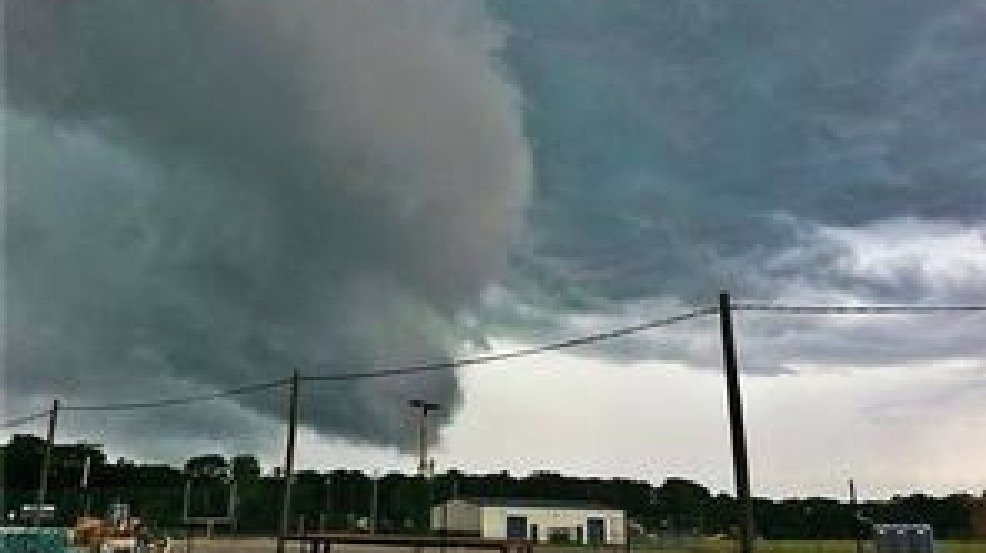
Severe Tornado Alert Issued Across Three New York Counties

Residents across Orleans, Genesee and Monroe counties were placed under a tornado warning as severe thunderstorms moved through parts of western New York. The alert remained in effect until 7:30 p.m., with weather officials urging people in the affected areas to seek shelter and remain attentive to further updates.

The warning was issued amid a developing line of powerful thunderstorms capable of producing dangerous weather conditions. The storms brought the potential for tornadoes, damaging wind gusts, heavy rainfall and other hazards as they traveled across the region.

Authorities urged residents not to take the warning lightly. Unlike a tornado watch, which means atmospheric conditions are favorable for tornado development, a tornado warning indicates that a tornado has been detected or that weather radar has identified signs suggesting one could be occurring or forming.

People located inside the warned area were advised to move indoors as quickly as possible. Those with access to a basement were encouraged to use it for shelter. Otherwise, residents should move to a small interior room on the lowest level of a sturdy building, keeping as many walls as possible between themselves and the outside.

Windows should be avoided because shattered glass and airborne debris can cause serious injuries during a tornado. Residents were also encouraged to protect their heads and bodies if necessary and remain sheltered until the warning expires or officials confirm that the immediate danger has passed.

The storms also posed risks beyond tornado activity. Powerful thunderstorms can generate damaging winds capable of knocking down trees and utility lines. Heavy rain may lead to poor visibility and localized flooding, while lightning and hail can create additional hazards for people outdoors.

Motorists in Orleans, Genesee and Monroe counties were urged to exercise caution and avoid traveling through areas affected by the strongest storms. Drivers should be especially careful on roads where rainfall has reduced visibility or where water has accumulated. Authorities have repeatedly warned motorists never to attempt crossing a flooded roadway.

Weather conditions can change rapidly during severe thunderstorms, meaning residents should continue monitoring official alerts even after an initial warning expires. New warnings can be issued if storms strengthen, change direction or threaten additional communities.

Residents were encouraged to use multiple sources to stay informed, including emergency smartphone notifications, weather radios and local authorities. Keeping phones charged and having a prepared shelter location can also help households respond more quickly if another warning is issued.

The tornado warning came during a broader period of unsettled weather across western and central New York. Atmospheric conditions had already prompted concerns about severe thunderstorms and possible tornado development, making continued monitoring particularly important for communities in and around the warned counties.

Officials advised residents to avoid relying on visual confirmation before taking action. Tornadoes can develop quickly, sometimes giving communities very little time to respond. For that reason, people who receive a warning for their immediate area should take shelter immediately rather than waiting to see whether a tornado becomes visible.

Even after the immediate storm threat decreases, residents should remain cautious because strong thunderstorms can continue producing hazardous conditions. Downed trees, damaged power lines, flooding and debris may create dangers after the storm has moved away.

People across Orleans, Genesee and Monroe counties were therefore encouraged to remain indoors during the most dangerous part of the storm and continue following official weather information. Staying informed and moving to a secure shelter quickly remain among the most important precautions during a tornado threat.