
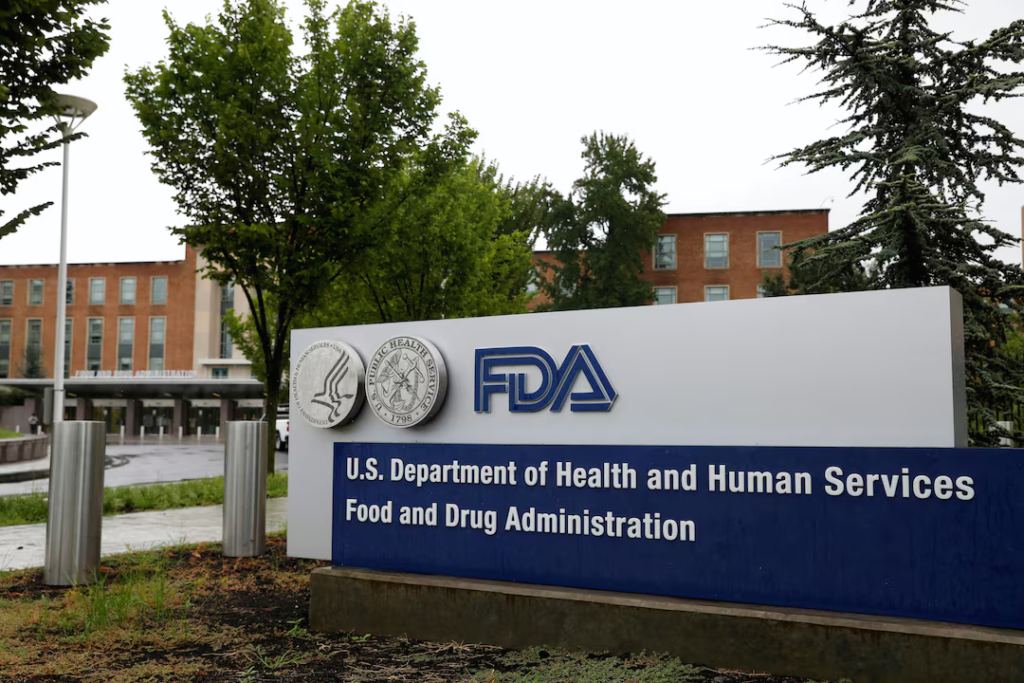
The U.S. Food and Drug Administration (FDA) is considering a potential shift in its approach to compounded peptide treatments, a development that could expand access to selected substances used in the wellness and fitness industries. The proposal comes amid increasing consumer interest in peptides promoted for recovery, tissue repair and anti-aging, alongside ongoing debate over whether sufficient scientific evidence supports their safety and effectiveness.
On October 15, 2026, the Department of Health and Human Services (HHS) submitted an interim policy proposal covering the compounding of certain peptides to the White House Office of Management and Budget for review. The submission represents a step toward a possible regulatory adjustment, but the government has not yet published the proposal’s full terms or announced a final decision.
Under the proposed approach, certain pharmacies could potentially be permitted to compound selected peptides under temporary enforcement discretion. This arrangement would give regulators the option to refrain from taking enforcement action against qualifying preparations under specified conditions. However, the proposal does not mean the substances have received formal FDA approval, and the scope of any policy change remains unclear.
Peptides are short chains of amino acids that play various roles in biological processes. Some are already used in approved medicines, while others are marketed for a range of purposes, including muscle recovery, injury treatment, physical performance and age-related concerns. Their growing visibility on social media has contributed to demand among consumers seeking alternatives for health, fitness and appearance-related goals.
BPC-157 is among the substances that have attracted considerable attention. The synthetic peptide is frequently promoted online for its alleged healing and recovery benefits. Other experimental peptides are similarly advertised by wellness businesses and fitness communities. However, claims made in marketing materials do not necessarily reflect established medical evidence, and many of these substances have not been approved for the uses being promoted.
The FDA has previously placed restrictions on the compounding of several peptides because of concerns about their potential risks. Reported areas of concern include contamination, immune reactions and the possibility of other serious effects, including tumor growth. Scientists have also highlighted the lack of sufficient human data to establish the safety and effectiveness of many of these products.
The latest policy development follows a July advisory panel meeting during which outside experts recommended easing restrictions on six of the seven peptides considered. The recommendations came despite concerns raised by FDA scientists about gaps in the available evidence. Advisory panel recommendations can inform the agency’s decisions, but they do not require the FDA to adopt the suggested changes.
Those supporting broader access argue that carefully regulated compounding could offer consumers an alternative to obtaining peptide products through online sellers operating with varying levels of oversight. They believe clearer rules could help establish more consistent standards for preparation and distribution while addressing demand for these substances.
Critics, however, warn that greater availability could encourage people to use treatments without adequate evidence or medical supervision. They also caution that consumers may mistakenly assume a product is proven safe simply because a pharmacy is permitted to prepare it. The absence of established clinical evidence remains a central concern in the debate.
Compounded medications are prepared or modified by pharmacies to meet particular patient needs. Unlike FDA-approved medicines, they generally do not undergo the same premarket review process to demonstrate safety and effectiveness. Consequently, a change in compounding policy would not automatically establish that a peptide is appropriate for a specific condition or that its advertised benefits are scientifically supported.
The potential policy shift could also affect businesses involved in telehealth, specialty pharmacies and wellness services. Companies operating in these sectors have shown interest in peptide-based offerings, and a relaxation of restrictions could create new commercial opportunities. At the same time, the regulatory framework would determine which substances could be prepared and under what conditions.
Important questions remain unanswered as the proposal undergoes review. Officials have not disclosed the complete list of peptides that might be covered, the requirements pharmacies would need to follow or how long any temporary enforcement arrangement might remain in place.
For now, the submission signals that federal officials are examining a possible change rather than confirming a final policy. The outcome will depend on the review process and any conditions established by regulators. Until further guidance becomes available, consumers and healthcare professionals will continue to face questions about the evidence supporting many peptides promoted for wellness and recovery.
You can watch the video below