Cruz Azul’s move to Estadio Olímpico Universitario in Mexico City represented a significant shift in the club’s stadium arrangements ahead of the 2025 Liga MX Clausura tournament. Faced with uncertainty surrounding its previous venue, Estadio Ciudad de los Deportes, the Mexican football side selected the university stadium as a temporary base to ensure its home matches could continue without relocating away from the capital.
Liga MX approved the stadium change in January 2025, allowing Cruz Azul to begin the new competition at its replacement venue. The club made its debut there on January 11 against Atlas, with the match ending in a 1-1 draw. The move provided a short-term solution to the club’s stadium difficulties while allowing it to maintain its presence in Mexico City.
Stadium Uncertainty Forced Cruz Azul to Consider Alternatives
The decision to change venues followed operational difficulties at Estadio Ciudad de los Deportes, which Cruz Azul had used for its home fixtures. In November 2024, the stadium was temporarily closed by local authorities amid concerns involving activities at the venue and the nearby Plaza de Toros México.
The disruption raised questions about whether the stadium could consistently accommodate the club’s upcoming matches. Reliable access to a home venue is essential for professional football teams because it affects fixture planning, ticket sales, supporter attendance and match-day operations.
Rather than risk further complications, Cruz Azul explored other options in the Mexican capital. Remaining in the city was particularly important because relocating home games elsewhere could have created additional travel requirements for the team and inconvenienced its supporters.
Why Olímpico Universitario Became the Preferred Option
Estadio Olímpico Universitario offered a suitable alternative because of its established football facilities and location within Mexico City. Situated on the campus of the National Autonomous University of Mexico, the historic stadium is best known as the home ground of Pumas UNAM.
Its existing sporting infrastructure made it a practical choice for Cruz Azul as the club searched for a venue capable of accommodating its league fixtures. Staying in the capital also meant that supporters could continue following the team without travelling to another city for regular home games.
Cruz Azul reached an agreement with the relevant university authorities to use the stadium, and Liga MX subsequently approved the change. The arrangement granted the club temporary use of the facilities rather than ownership of the venue. Pumas continued to play its home matches there under the existing arrangements.
Sharing a Ground With Pumas Presented Challenges
Despite the benefits, the decision created some logistical difficulties. Cruz Azul and Pumas are rivals in Mexican football, making the shared-stadium arrangement unusual.
Both clubs needed to coordinate their home fixtures, stadium access, security measures and other match-day requirements. Scheduling was particularly important because the teams competed in the same league and could not always use the ground whenever they wanted.
Their rivalry also affected arrangements for their direct league meeting, which could not be staged at the stadium under the initial agreement. This demonstrated that, although the venue provided a practical solution, sharing facilities with a competitor came with restrictions.
Even so, the arrangement allowed Cruz Azul to continue its campaign without having to move its home matches outside Mexico City at the beginning of the tournament.
A Short-Term Answer to a Long-Term Stadium Issue
Cruz Azul’s decision was also connected to its broader search for a stable home ground. The club had experienced several changes in its stadium arrangements, while preparations for the 2026 FIFA World Cup created additional complications involving major football venues in Mexico City.
Using Olímpico Universitario helped the club address its immediate needs while keeping its longer-term plans open. A permanent stadium of its own could eventually provide greater control over facilities, commercial agreements and match-day operations.
However, the university stadium was never intended to represent a permanent solution. The arrangement allowed Cruz Azul to continue competing while the club considered its future stadium options.
Conclusion
Cruz Azul selected Estadio Olímpico Universitario because it needed a dependable venue after uncertainty surrounding its previous home ground. An agreement with university authorities, followed by Liga MX approval, enabled the club to remain in Mexico City and continue hosting its matches during the 2025 Clausura tournament.
Although sharing a stadium with Pumas brought scheduling challenges and complications connected to their rivalry, the move provided Cruz Azul with temporary stability. The decision reflected the club’s efforts to protect its competitive commitments while pursuing a more permanent solution to its stadium needs.
Ultimately, Olímpico Universitario served as an important transitional home for Cruz Azul, helping the team navigate a period of uncertainty in its search for a suitable long-term base.
India-gi Indian Institutes of Technology (IIT)-singna student-sing, teacher-sing amasung staff-singgi mental health amasung emotional well-being-gi matamda dedicated professional cadre ama semnaba plan tou-i. Asigi plan asi counsellor, psychologist amadi psychiatrist-singgi sanctioned post-sing yaoba system ama oihangani.
IIT director-singgi matung-inna, campus-singda counselling service-sing houjikphaoba leiriba oirabasu, student-singgi number amadi mental health support-gi need hen-gatlakpa matamda dedicated professional-singgi support amadi long-term system ama darkar oini. Plan asi recent student death-singgi matungda matam khudingda semkhiba natte; asigi maramda discussion asi chahi ani-gi mathakta houjik phaoba chatthoklammi.
IIT-singda academic pressure, examination stress, hostel life amadi family-da loinaba khudongchaba-singna student-singgi emotional well-being-ta asar phanghanba yai. Aduna, professional counsellor-sing leiba, student-singna matam chana help phangba, amadi campus community-da mental health-gi maramda awareness hen-gatpa asi maru oiba oihalli.
Proposal asi matung-inna pangthokpa oirabadi, student-sing amadi faculty-singna mental health support phangba system adu henna phajabada mateng panggani. Adubu cadre asi houjik proposal stage-ta leiri; final implementation-gi details amadi timeline adu official announcement-da khangjagani.
Source: India Today — IITs plan dedicated mental health cadre
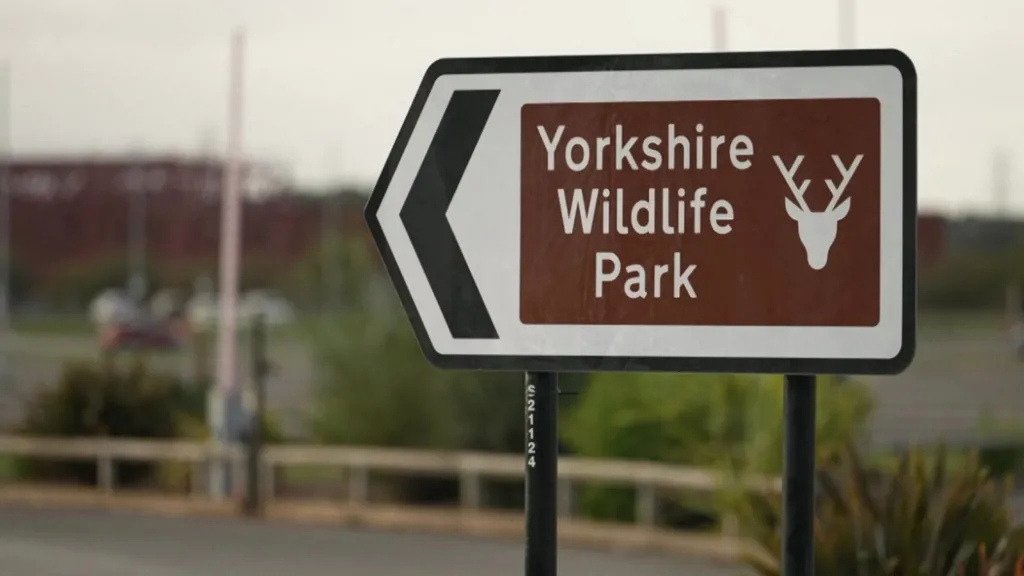
A fatal incident at Yorkshire Wildlife Park near Doncaster, England, has left a man dead after he was attacked by a tiger inside an enclosure. The incident, reported on October 10, 2026, prompted an emergency response, the temporary evacuation of the attraction and a police investigation into how the man entered the restricted area.
According to South Yorkshire Police, emergency services received reports at approximately 1:35 p.m. that a man had entered an enclosure occupied by tigers. The animal attacked him, leaving him with critical injuries. Ambulance crews and other emergency personnel arrived at the scene, but the man could not be saved.
Police subsequently confirmed that the victim had died and that his family had been informed. Specialist officers are providing support to his relatives as investigators work to establish the circumstances surrounding the tragedy.
Following the attack, Yorkshire Wildlife Park was evacuated while emergency responders attended to the incident and police began their enquiries. The attraction was temporarily closed to allow officials to assess the situation and gather information about what had happened.
Authorities confirmed that the tiger remained inside its enclosure following the incident. The animal was not reported to have been injured, and police indicated that there was no continuing threat to the wider public. Officials have not yet provided a complete explanation of how the man gained access to the restricted area.
The wildlife park is a popular attraction near Doncaster, South Yorkshire, and is home to numerous animal species. Visitors can see tigers, lions, giraffes, leopards and other wildlife in purpose-built habitats designed to provide appropriate conditions for the animals while maintaining separation from the public.
Among its attractions is the Land of the Tigers exhibit, which houses Amur tigers. These endangered animals are among the world’s largest cat species and possess considerable strength and hunting abilities. Their enclosures are designed to keep them separated from visitors, making the circumstances surrounding the fatal incident an important part of the ongoing investigation.
The Yorkshire Ambulance Service confirmed that several emergency resources attended the scene, including two land ambulances, the Yorkshire Air Ambulance and a doctor. Despite the efforts of medical personnel, the man’s injuries proved fatal.
In response to the incident, the park said it was cooperating with the relevant authorities and had activated its emergency procedures. The attraction’s management expressed its commitment to visitor and staff safety while investigators worked to determine how the incident occurred.
Police have also urged the public to avoid circulating footage of the attack online. Such material could cause further distress to the victim’s relatives and others affected by the incident. The man’s identity has not been publicly released in the available reports.
The investigation is expected to examine the events leading up to the attack, including how the man entered the enclosure and whether any safety procedures were breached. However, authorities have not yet announced any conclusions about the cause of the incident or whether further action will be taken.
The tragedy has renewed attention on safety arrangements at wildlife parks and other attractions that house potentially dangerous animals. Although encounters of this nature are rare, the consequences can be severe when a person enters an enclosure occupied by a large predator.
Wildlife facilities must balance opportunities for visitors to observe animals with the need to maintain secure barriers and restricted access. The findings of the investigation may help clarify whether any changes to existing procedures are necessary at the park.
For the time being, police enquiries remain ongoing, and further details about the victim and the circumstances of his entry into the enclosure have yet to be confirmed. The park’s temporary closure has also affected visitors who had planned to attend during the weekend.
The fatal attack has resulted in a tragic loss of life and prompted questions about the events that led to the man’s death. Investigators will now work to establish the full sequence of events, while the victim’s family receives support during this difficult period.
India government-na Saudi Arabia-gi Riyadh-da leiba King Khalid International Airport-ta thokpa attack-sing adu achouba maram ama oina condemn toukhre. Report-singgi matung-inna, airport-ta thokpa latest attack asida mee 12 si amadi mee 300-gi mathakta injured oikhi haibani.
Airport asi Saudi Arabia-gi international travel amasung air transport-gi maru oiba centre ama oina leibana, attack asina flight-singgi movement-ta khudongchaba thokhanba yai. India-na region asi-da peace amasung stability leihallakpa pammi.
Brendson Ribeiro claimed an important victory over fellow Brazilian fighter Felipe Franco after producing a decisive guillotine choke at UFC Fight Night: Allen vs. Duncan on October 10, 2026. The light heavyweight contest took place at the Meta APEX in Las Vegas, where Ribeiro turned Franco’s attempt to initiate a takedown into an opportunity to secure the submission.
The encounter ended in dramatic fashion as Ribeiro recognised an opening around his opponent’s neck and quickly applied the choke. Franco was unable to escape the hold, allowing Ribeiro to secure the finish and bring the contest to a close. The result offered Ribeiro a welcome opportunity to rebuild his momentum after a difficult run of performances.
Franco entered the matchup hoping to continue progressing in the UFC’s light heavyweight division. Known for his finishing ability, the Brazilian had demonstrated his capacity to end fights through both striking and grappling. However, his attempt to take Ribeiro to the ground created an unexpected problem that ultimately decided the contest.
Rather than allowing Franco to establish control, Ribeiro reacted quickly and used the position to launch his submission attack. The guillotine choke proved effective, highlighting his awareness and ability to capitalise on mistakes during fast-moving exchanges. In mixed martial arts, such moments can determine the outcome of a fight, particularly when one competitor leaves an opening while attempting to gain positional control.
The victory was especially meaningful for Ribeiro because of the challenges he had faced in his previous appearances. The Brazilian light heavyweight had suffered three consecutive defeats before meeting Franco, including losses against Magomed Tuchalov and Abdul-Rakhman Yakhyaev. Those setbacks had increased the importance of delivering a convincing performance in his latest outing.
Ribeiro’s submission win demonstrated that his grappling skills remain an important part of his fighting style. Although he has earned numerous victories through knockout and technical knockout, his record also reflects considerable experience in finishing opponents on the ground. The guillotine against Franco provided another example of his ability to adapt to an opponent’s movements and identify opportunities beyond striking exchanges.
Franco, meanwhile, arrived with a record that reflected his own finishing potential. Before the matchup, he had recorded 11 professional victories against two defeats. His previous performances included wins by knockout, technical knockout and submission, making him a dangerous opponent in different phases of a contest.
Despite those credentials, the fight illustrated the risks associated with poorly timed takedown attempts. While grappling can help fighters control the pace and position of a contest, changes in level can expose the neck and create opportunities for submissions. Ribeiro took advantage of precisely that situation, transforming Franco’s offensive move into the decisive sequence.
The matchup formed part of the preliminary card at UFC Fight Night: Allen vs. Duncan, an event held at the Meta APEX in Las Vegas. Ribeiro’s performance provided a notable moment on the card and offered a reminder of how quickly a fight can change when a submission opportunity appears.
For Ribeiro, the result could provide renewed confidence as he looks toward future competition in the light heavyweight division. A victory by submission after a series of losses gives him an opportunity to demonstrate improvement and strengthen his position within the organisation. However, maintaining that progress will require consistent performances against upcoming opponents.
Franco will have to assess the sequence that led to his defeat and consider how to defend against similar attacks in future bouts. The loss does not erase his previous achievements, but it highlights the importance of technical awareness when entering grappling exchanges with an opponent who possesses strong submission skills.
Ultimately, Ribeiro’s guillotine choke proved to be the defining moment of the fight. By reacting decisively to Franco’s takedown attempt, he secured a submission victory and ended his difficult stretch with a positive result. The finish also reinforced the unpredictable nature of mixed martial arts, where a single opening can transform an opponent’s attack into a fight-ending opportunity.
India-gi Prime Minister Narendra Modi-na numit October 11, 2026-da Chennai-da lakpa matamda ₹13,000 crore-gi project-sing inaugurate tougani. Project-sing asi transport, infrastructure amasung public service-sing henna phajabada mateng pangnaba semkhrabani.
Visit asi-gi maru oiba event ama oina Chennai Metro Rail Project-gi Phase 2-gi corridor ama launch tougani. Poonamallee amadi Porur-gi marakta metro service asi Chennai-gi traffic pressure khanghanba amasung public-gi travel suvidha hen-gat-hanba hotnaba project ama oini.
Metro service phajabana school, college, office amasung business-ta chatpa meeoisingda mateng panggani. Traffic jam khanghanba, travel time khudongchaba oihallakpa amasung public transport-gi use hen-gat-hanba phaoba project asina mateng pangba ngamba.
Government-gi khudongchaba asina Chennai-gi development amasung urban transport system hen-gat-hanba hotnari. Project-singgi implementation amadi public-na matam chana use touba ngamgadaba matamda asigi maru oiba maram oigani.
The escalating cost of diesel fuel is creating serious challenges for truck drivers and freight companies across the United States, raising concerns about the potential impact on supply chains and consumer prices. Industry representatives warn that if fuel expenses continue climbing, the financial strain could spread beyond transportation businesses and affect multiple sectors of the American economy.
Truckers are among the first to experience the effects of rising fuel prices because diesel is essential to their daily operations. From independent drivers to large freight carriers, businesses depend on affordable fuel to transport goods between manufacturers, distribution centres, warehouses and retail outlets. When diesel becomes more expensive, operating costs increase, leaving companies with difficult decisions about routes, schedules and profitability.
Recent increases in diesel prices have been linked to disruptions in global energy markets and geopolitical tensions involving Iran. Higher fuel costs have placed additional pressure on an industry already dealing with maintenance expenses, insurance payments, vehicle repairs and fluctuating freight rates.
For independent owner-operators, the situation can be particularly difficult. Unlike larger companies, which may have greater financial resources or fuel-purchasing agreements, smaller businesses often have limited capacity to absorb sudden increases in expenses. If freight payments remain unchanged while diesel prices rise, drivers may find that less of their revenue remains after operating costs are deducted.
Truck driver Suave Dorsett, based in Miami, described the pressure facing drivers in comments to Fox News Digital. He reported encountering diesel prices as high as $7.40 per gallon in Ohio and expressed concern that earnings were no longer keeping pace with fuel expenses. His experience illustrates the difficulties faced by operators who must travel long distances while managing unpredictable costs.
The pressure is not limited to fuel alone. Trucking companies must also pay for maintenance, tyres, repairs, parking and other operational requirements. Additional expenses associated with emissions-control systems can further affect budgets. When these costs rise simultaneously, some businesses may struggle to maintain their existing level of service.
Other drivers have reported adjusting their working schedules to control expenses. Tyler Rinaldi, a Louisiana-based trucker who transports hazardous materials and other freight, said his company had reduced certain weekend routes. Such changes can help limit fuel consumption, but they may also reduce the number of trips available and affect drivers’ earnings.
Avante Jackson, who transports steel and construction materials from Charlotte, North Carolina, has also expressed concerns about the industry’s financial outlook. Rising diesel prices can make it increasingly difficult for operators to determine whether particular journeys will generate sufficient income to justify the expense.
The potential consequences extend throughout the supply chain. Trucks play a crucial role in moving food, construction supplies, consumer products and industrial materials across the country. When transportation costs increase, manufacturers, wholesalers and retailers may eventually face higher expenses.
Those additional costs could be passed on to consumers if businesses are unable to absorb them. Grocery prices, construction costs and the prices of everyday products may come under pressure if freight expenses remain elevated. However, the size and timing of any increases will depend on several factors, including fuel prices, shipping contracts, competition and overall demand.
Government officials have considered measures intended to improve fuel availability and ease pressure on consumers and businesses. Nevertheless, such measures may provide only limited relief if global supply disruptions and geopolitical uncertainty continue affecting energy markets.
The situation has renewed memories of the fuel-price surge in 2022, when diesel costs reached record levels and transportation companies faced substantial increases in operating expenses. The current pressure has once again highlighted the close relationship between energy prices, freight costs and the broader economy.
For the trucking industry, the main concern is how long elevated diesel prices will persist. If fuel costs remain high and freight rates fail to rise accordingly, smaller operators may reduce their services, postpone expansion plans or leave the market. Any widespread reduction in trucking capacity could create further challenges for businesses that depend on reliable deliveries.
America’s truckers are therefore warning that the effects of rising diesel prices could extend well beyond the pump. The combination of higher operating expenses, pressure on business income and possible increases in transportation charges creates a risk of broader economic consequences. Whether that feared domino effect develops will depend largely on future fuel prices, freight demand and the industry’s ability to manage its mounting costs.
Delhi-da protest-sing thokpa matamda United Nations Human Rights Office-na mass detention-singgi maramda pukning hongba phongdokpa matung, India government-na UN-gi comment-sing asi India-gi internal affairs-ta interference touba oina lakkhre.
India-gi Permanent Mission-na UN Human Rights Office-gi concern-sing asi “misplaced” oina phongdokhre. Government-na India-gi democratic institution-sing, constitutional rights amasung legal framework-singgi matamda India-na mahakki responsibility loina pangthok-i haiba waheising phongdokhre.
Report-singgi matung-inna, October 10-da Delhi-gi protest matamda mee 6,000 phaoba detain toukhi haibani. Protest-na national capital-gi security arrangement-sing henna tight oihalli, amasung Jantar Mantar amadi Parliament Street-gi mapanda police amasung paramilitary force-sing khudongchaba pumnamakta thambikhi.
UN amasung India-gi marakta thokpa wahei-wahangi maram asi protest touba hak, public safety amasung human rights-gi matamda debate ama oihalli. Situation asi houjik phaoba political amasung international attention phanglibani.
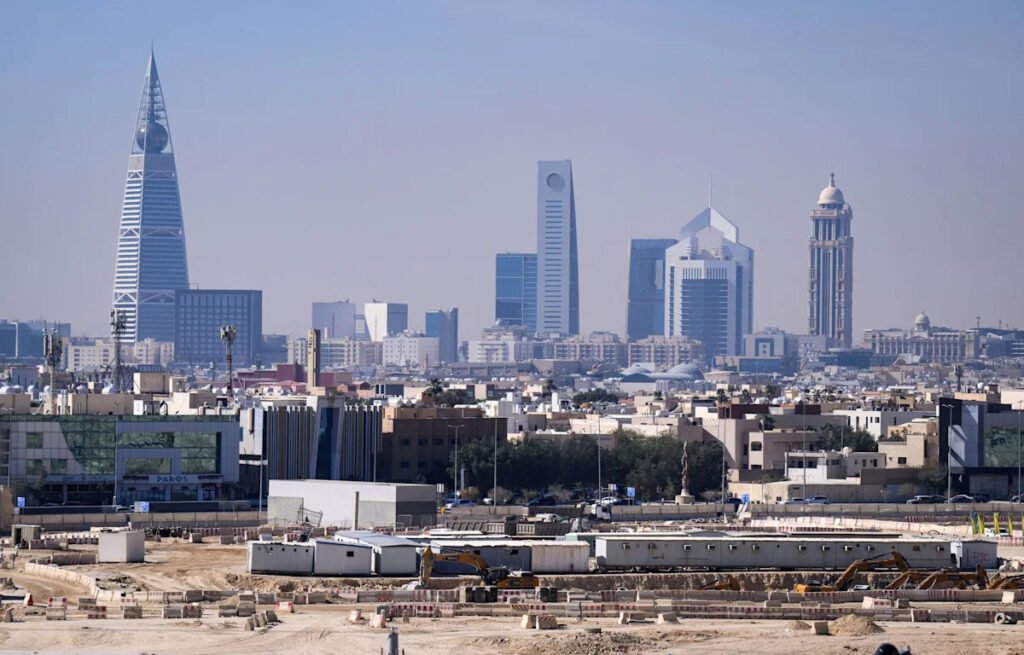
A reported attack on King Khalid International Airport in Riyadh, Saudi Arabia, has left 12 people dead and 309 others injured, according to reports attributed to the country’s civil aviation authority. The incident, which reportedly occurred on October 10, 2026, prompted an emergency response and disrupted operations at one of the kingdom’s major international transport hubs.
Authorities reportedly moved quickly to assess the situation, coordinate emergency assistance and determine the extent of the damage. Medical teams were involved in treating the injured, with some victims said to be in critical condition. Officials have also been examining the circumstances surrounding the attack as concerns grow over the security of civilian infrastructure.
The reported incident has drawn attention to the risks facing airports in regions affected by armed conflict. King Khalid International Airport is an important gateway for international travellers, commercial activity and domestic connections across Saudi Arabia. Any interruption to its operations can affect passengers, airlines and businesses that rely on dependable air transport.
Following the attack, airport operations were reportedly suspended temporarily while officials evaluated the security situation. Such measures are generally intended to protect passengers and staff while allowing emergency responders to work safely. Travellers may experience delays, cancellations or changes to scheduled services as authorities and airlines respond to the situation.
The incident has also raised questions about the effectiveness of security arrangements at major aviation facilities. Airports are critical national infrastructure, and attacks against them can have consequences extending beyond the immediate casualties. Disruptions may affect tourism, trade, cargo transportation and international business travel, particularly when uncertainty continues for an extended period.
The wider regional situation has added to concerns about the reported attack. Saudi Arabia has been involved in the conflict in Yemen for years, supporting the internationally recognised Yemeni government in its struggle against the Houthi movement. Periods of renewed fighting have previously raised fears of cross-border attacks and threats to strategic facilities.
However, responsibility for the latest reported incident, along with the precise method used and the full circumstances surrounding the casualties, requires confirmation from reliable official sources. Investigators will need to establish what happened before conclusions can be drawn about those responsible or the security failures, if any, that may have contributed to the incident.
The immediate focus remains on medical assistance for those injured and support for the families of the victims. Emergency personnel and relevant authorities are expected to continue reviewing the situation, assessing any damage and determining what measures may be necessary before normal airport activity can safely resume.
The reported casualties have also renewed discussion about protecting civilian facilities during periods of conflict. Airports serve millions of passengers and provide essential connections for families, workers and international visitors. Attacks that affect these facilities can create widespread uncertainty and place additional pressure on emergency services.
For travellers planning to fly through Riyadh, checking directly with airlines and monitoring official airport announcements would be important if services are affected. Flight schedules can change quickly during security incidents, and passengers should rely on verified updates rather than unconfirmed claims circulating online.
The economic consequences will depend on the duration of any disruption and the extent of the damage. A prolonged suspension could affect airline schedules, cargo movements and businesses that depend on the airport. The incident may also lead authorities to reconsider existing security arrangements and introduce additional precautions.
As further information becomes available, officials are expected to clarify the circumstances of the reported attack and provide updates on the injured, the investigation and airport operations. Until those details are confirmed, the reported death toll of 12 and injury count of 309 should be treated with appropriate caution.
The incident underscores the serious humanitarian consequences that can arise when civilian infrastructure becomes caught up in regional hostilities. The investigation and the authorities’ response will be central to establishing the facts and determining what steps may be needed to prevent similar incidents in the future.