India-gi benchmark share market index Sensex-na Thursday-da 32 months-gi lowest level-da thokle. Sensex asi 71,593.24-da close toure, aduga Nifty 50-na 1.64 per cent haptuna 22,231.8-da settle toure.
Market-da pressure hen-gatpa gi maramdi global oil price hen-gatpa, Indian rupee gi value haptaba, global bond yields hen-gatpa amasung inflation-gi concern sing oigani. Brent crude oil price su $104 per barrel-dagi henna changle, aduna investors-singgi concern hen-gatle.
Foreign investors-na India-gi shares-sing sell touba hen-gatle. Report matung-inna, nine days-gi matamda foreign investors-na around ₹46,990 crore worth shares sell toure. Asi Indian stock market-da pressure hen-gatnaba major reason ama oigani.
Reserve Bank of India-na Wednesday-da repo rate 25 basis points-na 5.5 per cent-da raise toukhiba matungda market-da additional pressure thokle. Higher interest rate-na borrowing cost amasung business activity-da impact piba yai.
Market decline asi major sectors pumnamakta yengjare. Banking, technology, energy amasung consumer-related stocks-su pressure-da leire. Analysts-na oil price amasung foreign fund outflow asi continue tourabadi Indian equities-da volatility leiba ngamgani haiduna hairi.
India-gi share market-gi movement asi domestic economy khaktagi nattaduna global oil price amasung international financial market-singga su directly connected oiba maramna investors-na current situation adu thakna monitor toujari.
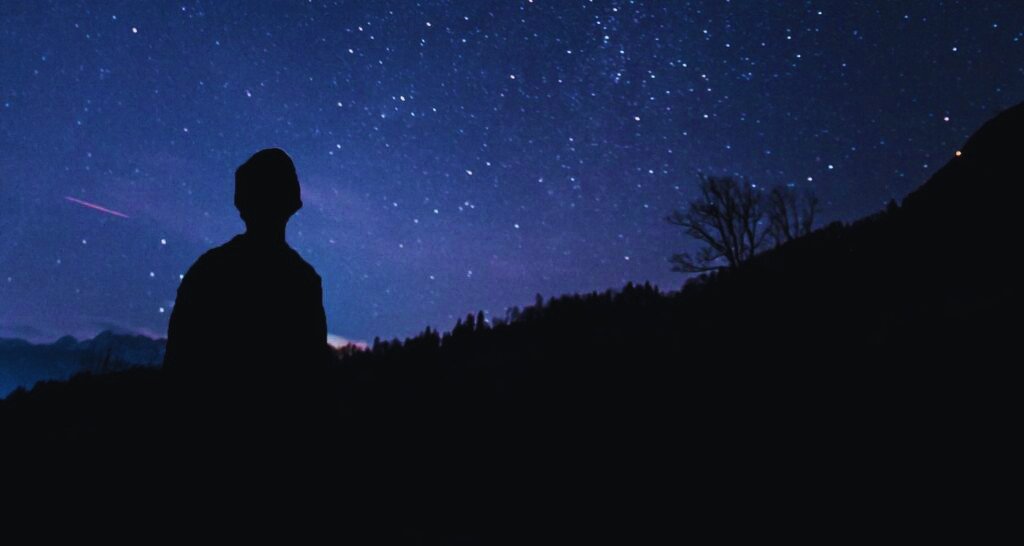
Stargazers have plenty to look forward to this October, with seven separate meteor showers expected to be active during different periods of the month. While some of the showers are relatively modest, their combined activity makes October an appealing time for anyone interested in watching the night sky.
Meteor showers happen when Earth moves through trails of dust and debris that have been scattered along the paths of comets or asteroids. As these small particles enter the atmosphere at extremely high speeds, friction causes them to heat up and produce brief flashes of light. These streaks are commonly called shooting stars, although they are not actually stars.
The meteor showers active during October include the Draconids, Southern Taurids, Delta Aurigids, Epsilon Geminids, Orionids, Leonis Minorids and Northern Taurids. Because their active periods overlap, skywatchers can potentially spot meteors on many nights throughout the month.
The Draconids are among the first showers to attract attention in October. Their activity generally occurs during the early part of the month. Unlike many major meteor showers, which are often best viewed after midnight, the Draconids can be observed during the evening hours, giving viewers an earlier opportunity to look for meteors.
The Southern Taurids also remain active during October. This shower typically does not produce a large number of meteors, but it has another attraction: bright fireballs. These unusually brilliant meteors can leave striking trails across the sky and may be visible even when overall meteor activity is relatively low.
As the month progresses, the Orionids become one of the main attractions for skywatchers. The shower is associated with debris from Halley’s Comet and is known for fast-moving meteors. Under sufficiently dark conditions, observers can see a number of bright streaks during the shower’s peak period.
The Orionids are among the more notable meteor events of the month, but viewing conditions will vary. Cloudy weather, artificial lighting and bright moonlight can all reduce the number of meteors visible from a particular location.
Several less-active showers are also part of October’s skywatching calendar. The Delta Aurigids, Epsilon Geminids and Leonis Minorids generally produce fewer meteors, but individual bright streaks can still appear. For dedicated observers, these showers provide additional opportunities to catch unexpected flashes.
The Northern Taurids become increasingly relevant toward the end of October and continue into November. Like their southern counterpart, they are not famous for producing large meteor counts. Instead, observers often watch them for occasional fireballs that can be considerably brighter than ordinary meteors.
Choosing the right location can make a significant difference. Bright urban areas create light pollution that can hide faint meteors. People hoping to watch the showers should, when possible, travel away from city lights and find an open location with a broad view of the sky.
Special equipment is generally unnecessary. Telescopes and binoculars can actually make meteor watching less convenient because they restrict the amount of sky visible at once. A comfortable chair or blanket and a clear view are usually enough.
Viewers should also give their eyes time to adapt to darkness. Looking at bright phone screens can make it harder to see faint meteors, so reducing screen use while watching can improve night vision.
The Moon is another factor to consider. A bright lunar sky can overpower weaker meteors, whereas darker conditions can make smaller streaks much easier to detect. Checking the Moon’s position and phase before choosing a viewing night can therefore help improve the experience.
Meteor activity can also come in bursts rather than appearing at a steady rate. Some periods may be quiet, followed by several meteors within a short time. Remaining outside for an extended period generally provides a better chance of seeing the more impressive events.
With seven meteor showers active during October, the month offers repeated opportunities to observe natural activity in the night sky. From the early-season Draconids to the later Taurid activity, each shower brings its own characteristics.
For both experienced astronomers and casual skywatchers, October could provide numerous chances to see shooting stars. All that is needed is a clear night, a sufficiently dark location and enough patience to let the sky reveal its activity.
India-na satellite internet services-gi approval process asi fair amasung non-discriminatory oina toujari haiduna hairi. Asi Elon Musk-na India-da Starlink service launch touba matamda approval process adugi maramda criticism toukhiba matungda government-na piba response ani oigani.
Indian authorities-na satellite communication services-singbu India-gi existing rules amasung security requirements matung-inna approve toujari haiduna hairi. Government-na konagumbasu company ama-da special treatment piba nattaba, application-sing asi same regulatory framework matung-inna examine toui haiba hairi.
Elon Musk-na India-da Starlink launch touba adu delay oiriba maramna approval process adu question toukhi. Mahakna India-gi satellite internet market-da competition amasung service availability-gi maramda concern phongdokhi.
India-da satellite-based internet services asi remote areas, rural regions amasung high-speed broadband coverage leiba areas-da internet access hen-gat-hanbagi maramda important oigadabani. Aduga government-na national security amasung communication infrastructure-gi protection su important oina thammi.
Satellite internet sector asi India-gi digital connectivity amasung telecommunications industry-da significant role ama oigadabani. Maram aduna Starlink amasung atoppa satellite internet providers-singgi approval process adu industry na thakna yengli.
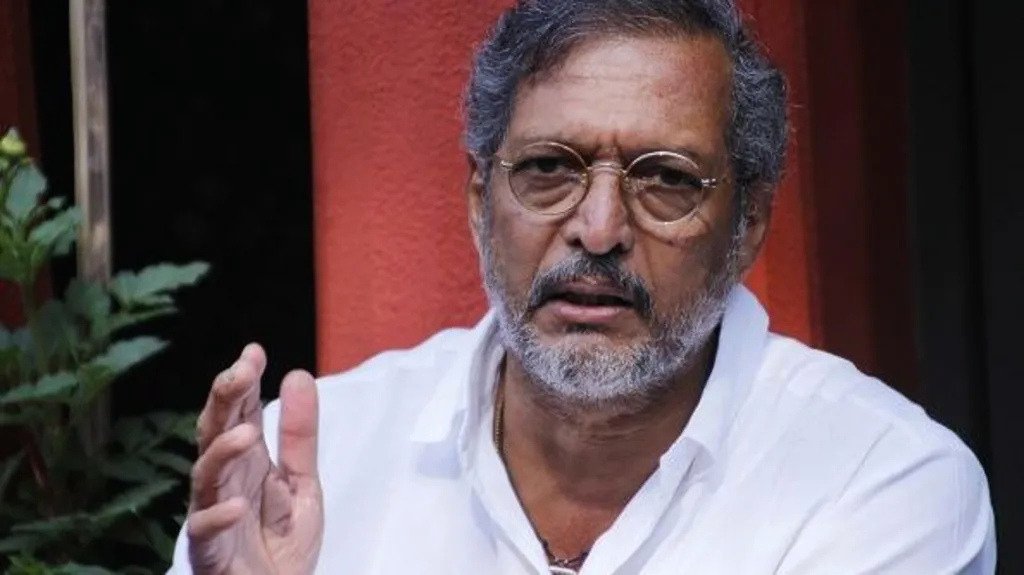
Indian cinema is mourning the death of veteran actor Nana Patekar, who has died at the age of 75. Known for his commanding screen presence, distinctive voice and powerful performances, Patekar leaves behind a career that stretched across nearly five decades.
Patekar died in Goa on Thursday, October 8, following a cardiac arrest, according to reports. His death marks the passing of one of the most recognizable performers in Hindi and Marathi cinema, whose work earned widespread critical acclaim as well as a devoted audience.
Born Vishwanath Patekar in Maharashtra in 1951, he developed an interest in performance through theatre before establishing himself in the Indian film industry. His early experience on stage helped shape the intense and expressive acting style that later became closely associated with him.
He made his film debut in Gaman in 1978 and gradually built a reputation through roles that were often complex and demanding. Rather than focusing exclusively on traditional leading roles, Patekar became known for portraying troubled characters, antagonists, authority figures and emotionally conflicted protagonists.
Some of his most influential performances came in films including Parinda, Prahaar, Angaar and Krantiveer. His work in Parinda earned him a National Film Award, while his performance in Krantiveer brought him the National Award for Best Actor. He later received another National Film Award for Agni Sakshi.
Patekar’s versatility became one of the defining features of his career. He could move from intense dramas to commercial entertainers without losing the individuality that audiences associated with him. Films such as Tiranga, Khamoshi: The Musical, Ab Tak Chhappan and Apaharan further demonstrated his range.
A different side of the actor emerged in the popular comedy Welcome, released in 2007. His portrayal of Uday Shetty showed that his talents extended beyond serious dramatic roles and established him as a memorable comic performer as well.
His acting was often characterized by powerful dialogue delivery, expressive gestures and an ability to create tension without relying on exaggerated performances. Even in supporting roles, he frequently became one of the most memorable figures on screen.
Patekar also explored filmmaking beyond acting. He directed Prahaar: The Final Attack, released in 1991, expanding his involvement in cinema to work behind the camera.
His contribution to Indian arts received major recognition throughout his career. Alongside three National Film Awards, he was awarded the Padma Shri in 2013 for his contribution to the arts.
His work extended into Marathi cinema as well, with Natsamrat becoming one of the notable later achievements of his career. The film allowed him to deliver an emotionally demanding performance and reinforced his standing as an actor capable of carrying complex dramatic material.
Outside the entertainment industry, Patekar was also associated with social work. He became involved in initiatives supporting farmers and rural communities in Maharashtra and co-founded the Naam Foundation with fellow actor Makarand Anaspure. The organization has worked on rural development, water conservation and support for farmers.
Despite decades in the industry, Patekar continued appearing in films during his later years. His longevity allowed him to remain familiar to audiences across several generations, while his earlier performances continued to influence Indian cinema.
Tributes following his death have focused on his unusual acting style, powerful performances and contribution to both Hindi and Marathi filmmaking. Colleagues and admirers have remembered him as an artist who brought intensity and authenticity to a wide variety of roles.
From serious dramas and socially driven films to mainstream comedies, Patekar created a body of work that crossed genres and generations. His performances in films such as Parinda, Krantiveer, Agni Sakshi, Natsamrat and Welcome remain among the most recognizable chapters of his career.
With his death at 75, Indian cinema loses an actor whose distinctive personality and uncompromising approach to performance made him difficult to imitate. His decades-long contribution ensures that his work will continue to be revisited by audiences and remembered as an important part of India’s cinematic history.
October 8 , 2026 : Union Home Minister Amit Shah-gi Manipur visit, adu originally October 7-da oigaduna leirammi, adubu houjik later October-da oigadabani haiba reports thokle.
Visit aduda state-gi current situation, peace process amasung development-related issues-singgi maramda discussion touba ngamgadabani. Opposition INDIA bloc-na protest-sing touba matamda visit adu postpone toure haiba reports-na hairi.
Government-gi side-dagi Manipur-da peace amasung normalcy amuk phanghanaba efforts-singda focus toujari. Amit Shah-gi visit adu state-gi political amasung security situation yengshinbagi maramda important oigadabani.
Southern California is being urged to keep a close watch on Hurricane Rachel as the Pacific storm moves through the region, with forecasters tracking the possibility of heavy rain, powerful gusts, rough seas and coastal hazards.
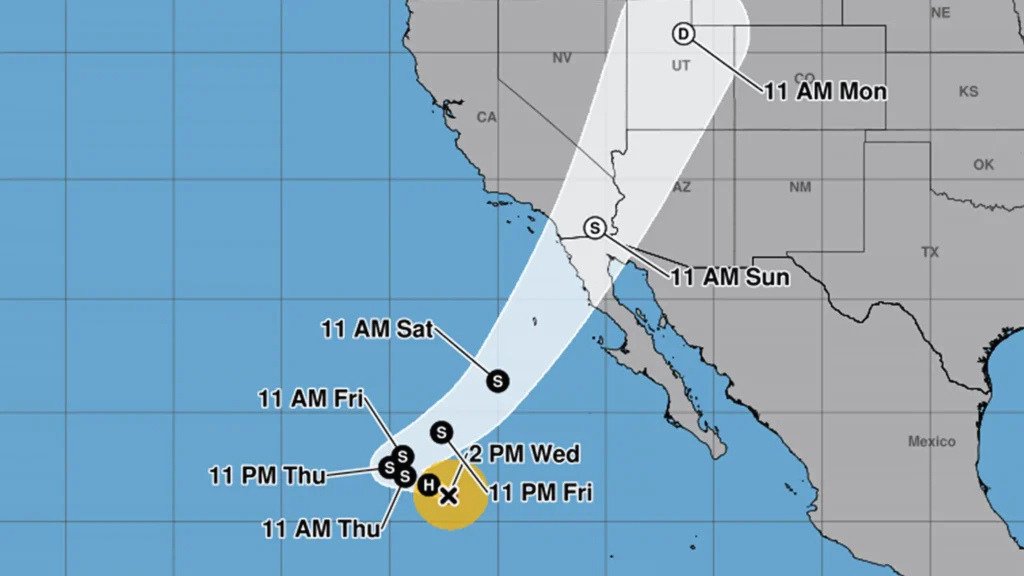
Rachel has weakened from its earlier strength, but the storm could still create dangerous conditions along parts of the California coastline. Large swells generated by the system may reach Southern California and northern Baja California, increasing the threat of powerful waves and strong rip currents.
The storm’s changing path is a major factor in determining its eventual impact. Forecast models have indicated that Rachel could turn toward the northeast after moving generally westward and west-northwestward. A shift in that direction could bring the storm’s remaining moisture closer to Southern California.
Even if Rachel loses additional strength before reaching the area, tropical systems can still produce significant weather after weakening. Moisture associated with the storm could contribute to periods of rainfall, while interactions with other atmospheric conditions could influence the intensity and location of precipitation.
Coastal communities are expected to remain particularly vulnerable. Large waves and elevated surf can create hazardous conditions for swimmers, surfers and people visiting beaches. Rip currents can also become stronger and more difficult to escape, creating serious risks for anyone entering the ocean.
Marine conditions could deteriorate as Rachel’s swells move toward the coast. Boaters may face rougher seas, while smaller vessels could be especially vulnerable to changing conditions. Officials may issue additional advisories if the storm’s track or strength creates a greater threat.
Strong winds are another potential concern. Gusty weather could affect coastal and exposed locations, while stronger-than-normal winds farther inland could cause problems such as falling branches and difficult travel. Power disruptions are also possible in areas that experience particularly strong gusts.
The potential for coastal flooding will depend largely on Rachel’s eventual distance from the coastline and its remaining strength. Storm surge can raise water levels along the shore, while large waves can worsen flooding and erosion in vulnerable coastal locations.
The National Hurricane Center has continued monitoring Rachel and has highlighted the possibility of dangerous surf along portions of the Southern California and northern Baja California coasts. The storm’s weakening trend does not necessarily eliminate coastal hazards, particularly because ocean swells can travel far from the storm’s center.
Residents should continue checking updated forecasts as meteorologists refine Rachel’s projected path. Earlier predictions can change considerably as tropical systems interact with surrounding weather patterns, making the latest official guidance more useful than older forecasts.
Beach visitors are also being encouraged to exercise caution if surf and rip-current advisories are issued. People who are unfamiliar with changing ocean conditions should avoid entering the water during periods of dangerous surf.
The storm’s eventual impact on Southern California remains dependent on its track, intensity and interaction with nearby atmospheric systems. Rachel could weaken substantially before approaching the region, but its remaining moisture and ocean energy could still produce disruptive conditions.
For Southern California, the immediate focus remains on coastal hazards, particularly high surf and dangerous rip currents. Rainfall, strong winds and possible coastal flooding will become clearer as Rachel’s movement is monitored in the coming days.
Residents and travelers should therefore remain attentive to official weather updates and be prepared for changing conditions. Authorities will continue assessing the storm as its trajectory develops, with additional warnings or advisories possible if Rachel poses a greater threat to the California coast.
Imphal, October 8: Manipur Chief Minister Yumnam Khemchand Singh-na Manipur-da lasting peace amasung development phangnaba hill amasung valley areas-gi people-singna amaga amaga cooperation tougadabani haiduna hairi.
CM-na peace efforts asi valley areas-da khaktada limit tougadabani amasung state-gi hill areas-da amasung outreach amasung dialogue tougadabani hairi. Mahakna Manipur-gi geographical area-gi valley asi around 8 per cent khaktani haiduna, state pumnamakki participation illaba peace process adu complete oiganu haiduna hairi.
Mahakna different communities-gi marakta trust, understanding amasung cooperation hen-gatpa asi state-gi future-gi maramda khangjaba matam ama oigadabani hairi. Development amasung peace asi amaga amaga sambandhit oiba maramna government-na inclusive approach ama sijinnagadabani mahakna hairi.
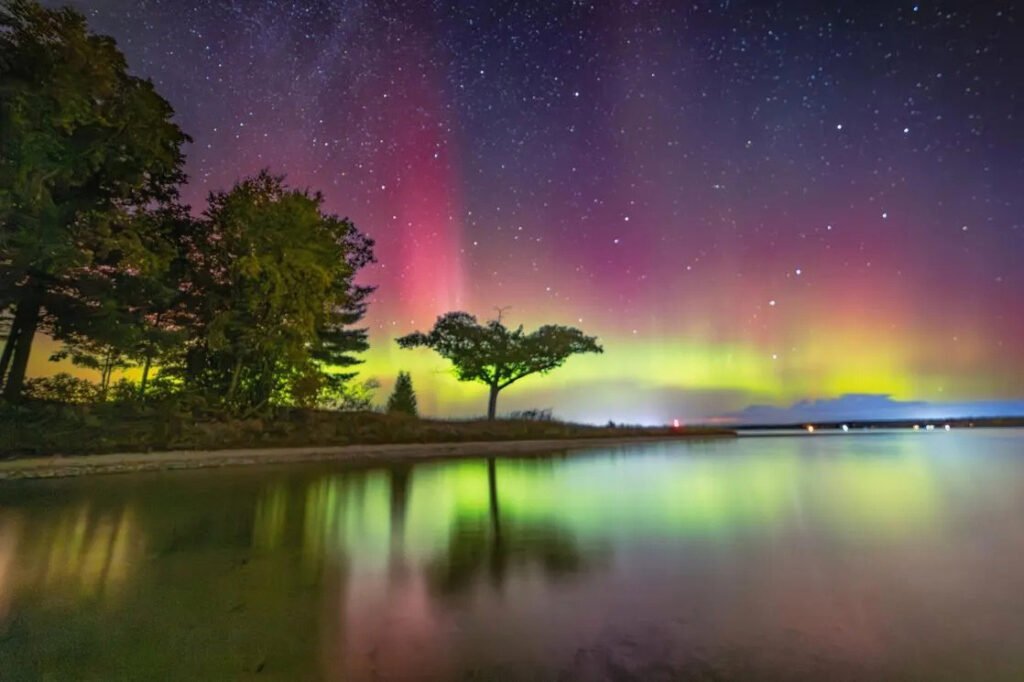
Skywatchers in parts of the United States could be treated to a rare nighttime spectacle Thursday and early Friday, with the northern lights potentially becoming visible across a broad stretch of the country.
The possible display is being driven by increased solar activity and the arrival of a coronal mass ejection, commonly known as a CME. This large release of charged particles and magnetic energy from the Sun can interact with Earth’s magnetic field and produce a geomagnetic storm, potentially pushing the aurora farther south than usual.
Forecasts suggest that the strongest chances of seeing the aurora will remain across the northern United States. Alaska is expected to have some of the best opportunities, while areas close to the Canadian border could also experience favorable conditions.
Potential viewing areas include Washington, Idaho, Montana, North Dakota, South Dakota, Minnesota, Wisconsin, Michigan, Maine, Vermont and New Hampshire. If geomagnetic activity becomes stronger, the aurora could potentially reach farther south into Oregon, Wyoming, Nebraska, Iowa, Illinois, Indiana, Ohio, Colorado, Pennsylvania and New York.
That does not mean residents throughout all 22 states will definitely see the lights. Aurora visibility depends on several conditions, including the strength of the geomagnetic storm, the timing of the disturbance, local weather and the amount of artificial light in the area.
Clouds could be one of the biggest obstacles for skywatchers. Even strong auroral activity may remain hidden if skies are overcast. People hoping to view the phenomenon are therefore likely to have better opportunities in areas with clear weather and minimal light pollution.
Rural locations away from major cities could offer particularly favorable viewing conditions. Observers should ideally find an open area with an unobstructed view toward the northern horizon. Because the display can change quickly, patience may also be necessary.
The most promising period is expected to occur overnight Thursday and into the early hours of Friday. The darkness during those hours will provide the best opportunity for the aurora to become visible if geomagnetic conditions develop as anticipated.
Cameras and smartphones may also capture the phenomenon more clearly than the human eye. Night-mode settings and longer exposures can sometimes reveal colors that appear faint when viewed directly, making photography an attractive option for people hoping to document the event.
The solar activity is being monitored not only because of its potential visual effects but also because stronger geomagnetic storms can influence technology. Significant solar disturbances can affect satellites, radio communications and navigation systems. More powerful storms can also place stress on electrical infrastructure, although the anticipated event does not necessarily mean major disruptions will occur.
The northern lights themselves are created when energized particles from the Sun interact with gases high in Earth’s atmosphere. The resulting reactions produce the glowing colors commonly associated with the aurora, including green, red and purple hues.
The exact reach of the display will become clearer as the solar disturbance approaches Earth. If the storm becomes stronger than expected, the aurora could spread farther south. Conversely, weaker geomagnetic activity could limit the display primarily to northern locations.
Weather conditions will also remain an important factor. A favorable space-weather forecast cannot guarantee visibility from a particular location, making it important for potential observers to check both aurora forecasts and local cloud conditions.
For those living within the potential viewing zone, Thursday night could provide an opportunity to witness an unusual celestial event without specialized equipment. Finding a dark location, allowing the eyes time to adjust and watching the northern horizon could improve the chances of spotting the lights.
As solar conditions continue to develop, forecasters are expected to refine their predictions. Skywatchers across the northern United States will be watching closely to see whether the anticipated geomagnetic activity produces a widespread aurora display stretching well beyond its usual range.
New Delhi, October 8, 2026: India-gi foreign exchange reserves asi fourth consecutive week-da thokle amasung around $734.6 billion-da thokle. September 4-da reserve asi $785.71 billion-gi peak phangjaba matungda nearly $50 billion thokle.
Reserve asi thokpa-gi major reason ama RBI-na rupee-gi value protect tounaba dollar sell toubani. RBI-na spot market-da dollar sell touduna amasung foreign-exchange swaps use touduna rupee-gi depreciation asi control tounaba effort toure.
Adubu rupee asi amuk pressure-da leiri. High crude oil prices, US Treasury yields gi increase amasung foreign investors-na Indian equity market dagi money withdraw touba aduna rupee-gi value-da pressure piri.
Wednesday-da rupee asi 96.8450 per US dollar-da thokkhi, record-low 96.96-gi nakakta leire.
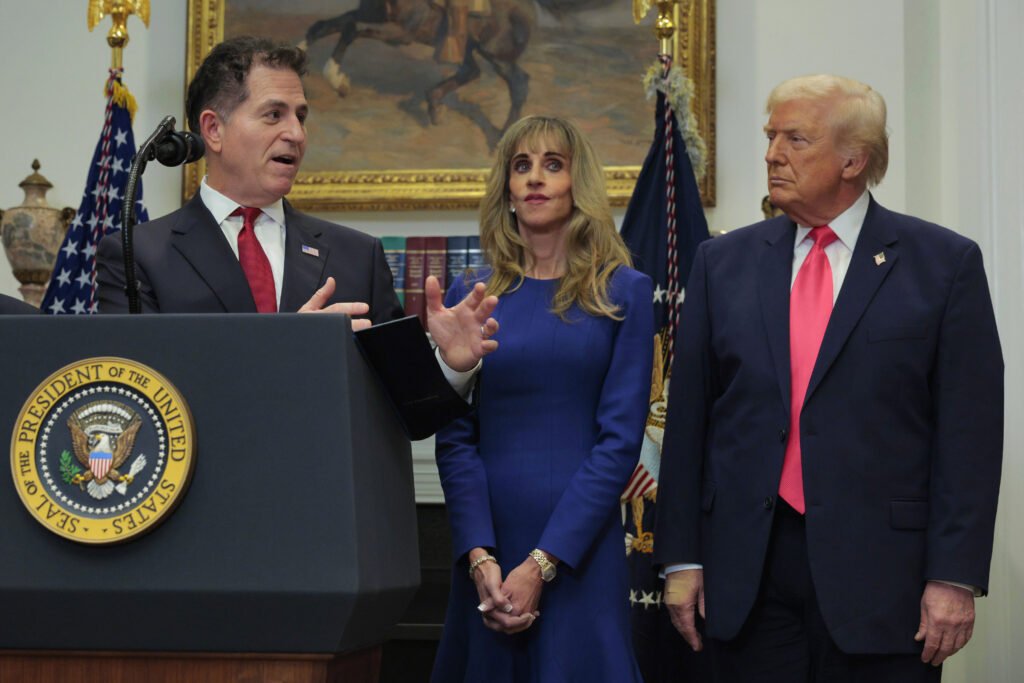
Michael Dell is backing a proposal that could give Trump Account holders the ability to invest in individual company stocks, saying greater investment choice could make the new savings program more appealing and potentially encourage long-term wealth building.
Trump Accounts were established as a new savings and investment vehicle aimed at helping families build financial resources for children. Rather than leaving contributions in cash, the accounts are designed to place money into investments, allowing funds to potentially grow over many years.
The discussion surrounding individual stocks has become one of the more notable issues connected with the program. Dell, the founder and chief executive of Dell Technologies, has defended the idea of allowing account holders to have a more direct role in deciding where their money is invested.
Supporters of the proposal argue that giving families access to individual companies could make investing easier to understand and more engaging. Many consumers already recognize major corporations through the products and services they use, and supporters believe that familiarity could encourage greater interest in financial markets.
The approach would also provide investors with more control than a system limited to broad investment funds. Individuals could potentially choose companies they believe have strong long-term prospects, giving them a direct connection to the businesses in which their savings are invested.
However, the proposal also comes with potential risks. Individual stocks can experience significant price swings, and concentrating money in a limited number of companies can expose investors to larger losses. If a particular business encounters financial difficulties or suffers a major decline in its share price, investors holding that stock could see the value of their accounts fall sharply.
Diversification is therefore an important part of the debate. Holding a broad collection of companies can reduce the impact of poor performance from any single business. Critics of expanded individual-stock access argue that this approach may be particularly important for accounts intended to help secure a child’s financial future.
Supporters counter that Trump Accounts are designed with a long investment horizon. Because the money may remain invested for many years, investors could have more time to withstand periods of market volatility. Nevertheless, a long time frame does not completely remove the risks associated with individual-company investments.
The discussion also reflects a broader effort to introduce Americans to saving and investing at an earlier age. Starting to invest early can provide more time for potential returns to compound, making even relatively modest contributions potentially more valuable over the long term.
Financial education could become another important part of the program. Giving families greater investment responsibility could encourage parents and children to learn about companies, stock markets, risk and the importance of maintaining a long-term strategy.
Much will depend on the final rules governing Trump Accounts. Questions surrounding eligible investments, contribution limits, fees, diversification requirements and investor protections could all influence how the program operates.
Dell’s support adds a significant business voice to the debate over how much freedom should be available within the accounts. His position reflects the argument that individual-stock options could provide flexibility and encourage greater participation in investing.
As policymakers continue shaping the details of Trump Accounts, the question of investment choice is likely to remain central. The eventual rules will determine whether families can select individual companies, rely primarily on diversified investments, or have access to a combination of both approaches.