
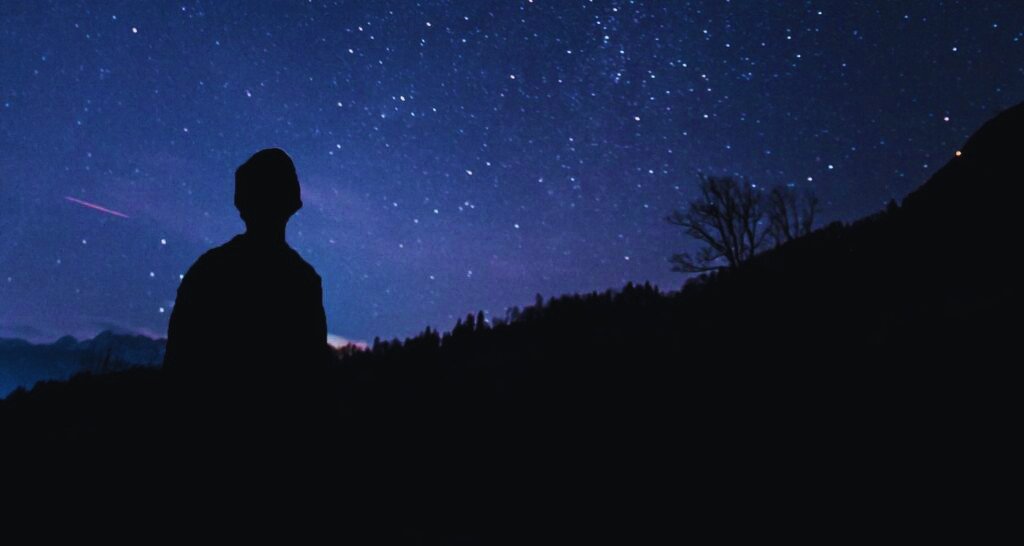
Stargazers have plenty to look forward to this October, with seven separate meteor showers expected to be active during different periods of the month. While some of the showers are relatively modest, their combined activity makes October an appealing time for anyone interested in watching the night sky.
Meteor showers happen when Earth moves through trails of dust and debris that have been scattered along the paths of comets or asteroids. As these small particles enter the atmosphere at extremely high speeds, friction causes them to heat up and produce brief flashes of light. These streaks are commonly called shooting stars, although they are not actually stars.
The meteor showers active during October include the Draconids, Southern Taurids, Delta Aurigids, Epsilon Geminids, Orionids, Leonis Minorids and Northern Taurids. Because their active periods overlap, skywatchers can potentially spot meteors on many nights throughout the month.
The Draconids are among the first showers to attract attention in October. Their activity generally occurs during the early part of the month. Unlike many major meteor showers, which are often best viewed after midnight, the Draconids can be observed during the evening hours, giving viewers an earlier opportunity to look for meteors.
The Southern Taurids also remain active during October. This shower typically does not produce a large number of meteors, but it has another attraction: bright fireballs. These unusually brilliant meteors can leave striking trails across the sky and may be visible even when overall meteor activity is relatively low.
As the month progresses, the Orionids become one of the main attractions for skywatchers. The shower is associated with debris from Halley’s Comet and is known for fast-moving meteors. Under sufficiently dark conditions, observers can see a number of bright streaks during the shower’s peak period.
The Orionids are among the more notable meteor events of the month, but viewing conditions will vary. Cloudy weather, artificial lighting and bright moonlight can all reduce the number of meteors visible from a particular location.
Several less-active showers are also part of October’s skywatching calendar. The Delta Aurigids, Epsilon Geminids and Leonis Minorids generally produce fewer meteors, but individual bright streaks can still appear. For dedicated observers, these showers provide additional opportunities to catch unexpected flashes.
The Northern Taurids become increasingly relevant toward the end of October and continue into November. Like their southern counterpart, they are not famous for producing large meteor counts. Instead, observers often watch them for occasional fireballs that can be considerably brighter than ordinary meteors.
Choosing the right location can make a significant difference. Bright urban areas create light pollution that can hide faint meteors. People hoping to watch the showers should, when possible, travel away from city lights and find an open location with a broad view of the sky.
Special equipment is generally unnecessary. Telescopes and binoculars can actually make meteor watching less convenient because they restrict the amount of sky visible at once. A comfortable chair or blanket and a clear view are usually enough.
Viewers should also give their eyes time to adapt to darkness. Looking at bright phone screens can make it harder to see faint meteors, so reducing screen use while watching can improve night vision.
The Moon is another factor to consider. A bright lunar sky can overpower weaker meteors, whereas darker conditions can make smaller streaks much easier to detect. Checking the Moon’s position and phase before choosing a viewing night can therefore help improve the experience.
Meteor activity can also come in bursts rather than appearing at a steady rate. Some periods may be quiet, followed by several meteors within a short time. Remaining outside for an extended period generally provides a better chance of seeing the more impressive events.
With seven meteor showers active during October, the month offers repeated opportunities to observe natural activity in the night sky. From the early-season Draconids to the later Taurid activity, each shower brings its own characteristics.
For both experienced astronomers and casual skywatchers, October could provide numerous chances to see shooting stars. All that is needed is a clear night, a sufficiently dark location and enough patience to let the sky reveal its activity.
You can watch the video below