
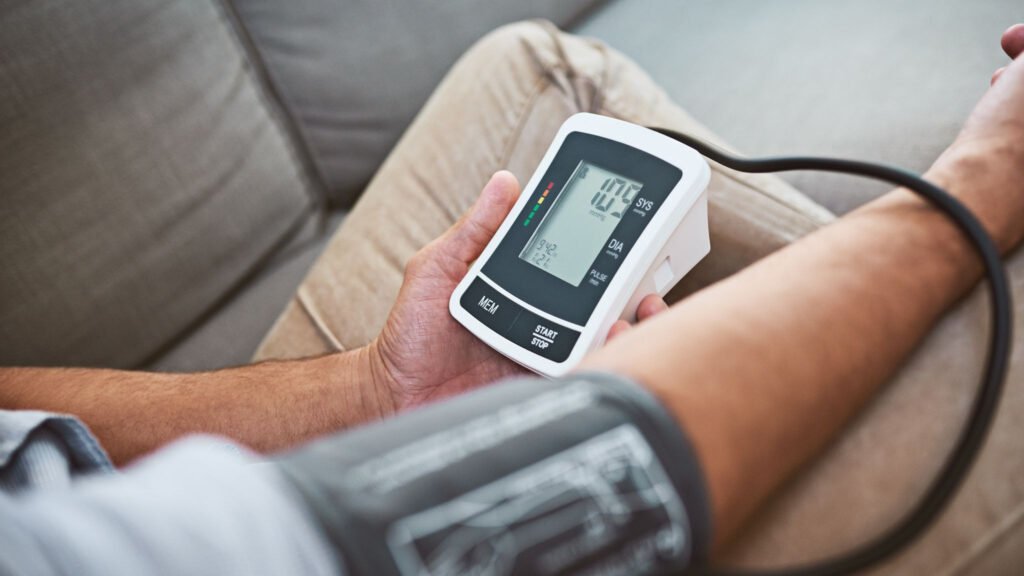
Health authorities in England are expressing concern over a considerable rise in the number of patients requiring emergency hospital treatment for high blood pressure. Recent NHS figures indicate that admissions associated with hypertension have increased by 77% in six years, highlighting the growing importance of early diagnosis and preventive healthcare.
The number of emergency hospital admissions linked to the condition rose from 24,481 during 2019/20 to 43,306 in 2025/26. The figures underline the increasing burden of hypertension on healthcare services and the potential consequences of leaving the condition untreated.
The data also revealed differences in hospital care episodes between men and women. During 2025/26, women accounted for 31,582 recorded episodes involving hypertension, compared with 23,317 among men. This represents approximately one-third more episodes among female patients.
NHS officials have described the upward trend as alarming, warning that uncontrolled blood pressure can contribute to several serious health complications. These include strokes, heart attacks, heart failure and kidney disease. The condition is also recognised as one of the major preventable risk factors for cardiovascular illness.
High blood pressure, commonly referred to as hypertension, often develops without noticeable warning signs. Consequently, many people may remain unaware of their condition until they experience a serious health problem. Medical professionals therefore stress that regular monitoring is essential, particularly for individuals who may have additional cardiovascular risk factors.
Helen Williams, National Clinical Director for Cardiovascular Disease Prevention at NHS England, has highlighted the importance of recognising hypertension before it leads to more serious complications. Early identification, timely medical intervention and healthier daily habits can all help reduce the risks associated with the condition.
To improve detection, the NHS is encouraging eligible adults between 40 and 74 years old to attend free NHS Health Checks. The programme aims to identify potential health risks and provide guidance on preventing cardiovascular disease. People who qualify and have not received a check within the previous five years are encouraged to contact their GP surgery.
Despite these efforts, participation remains a challenge. Figures for 2025/26 show that approximately 3.8 million people were invited to attend an NHS Health Check, while only around 1.3 million accepted the invitation. Healthcare officials believe greater participation could help identify more individuals with previously undiagnosed hypertension.
Local pharmacies are also contributing to early detection through the NHS Hypertension Case Finding Service. More than 3.3 million blood pressure checks were conducted through the programme in the 12 months leading up to July 2026. Of those assessed, over 375,000 people were identified as requiring further monitoring or medical evaluation by their GP.
Alongside screening initiatives, healthcare professionals are encouraging people to make practical changes to their daily routines. Reducing salt intake, following a nutritious diet, exercising regularly, maintaining a healthy weight and avoiding smoking can help support normal blood pressure levels. Managing stress and limiting excessive alcohol consumption are also recommended.
For individuals already diagnosed with hypertension, treatment may involve prescribed medication combined with lifestyle improvements. The appropriate approach depends on individual blood pressure readings, medical history and other health considerations.
The latest figures have renewed attention on the importance of preventing hypertension-related complications before they require emergency treatment. NHS leaders are continuing to encourage regular screening and greater public awareness as part of wider efforts to reduce cardiovascular risks.
With hospital admissions showing a substantial increase, health officials are urging adults not to ignore routine blood pressure checks. Detecting the condition early and receiving appropriate treatment can help protect long-term health while reducing the likelihood of serious medical emergencies.
You can watch the video below