A roofing contractor from Wales has been given a suspended prison sentence after being convicted of repeatedly dumping construction materials and other waste at unauthorised sites across Neath Port Talbot. The case highlights the continued efforts of local authorities to tackle fly-tipping and take action against individuals who disregard environmental regulations.
Jeremy Andrew John, aged 66, from Tonna near Neath, was sentenced at Swansea Crown Court on November 3, 2026, after admitting to six offences involving the illegal disposal of controlled waste. His actions were investigated by Neath Port Talbot Council following several complaints about rubbish being abandoned at different locations.
The investigation began when residents raised concerns about recurring incidents of fly-tipping in their communities. Council enforcement officers examined the reports and gradually identified evidence connecting the discarded construction materials to a roofing business operated by John.
As the investigation developed, officers discovered that the incidents appeared to involve repeated waste disposal rather than a single occurrence. This prompted authorities to carry out additional inquiries to establish who was responsible and how the materials were being transported.
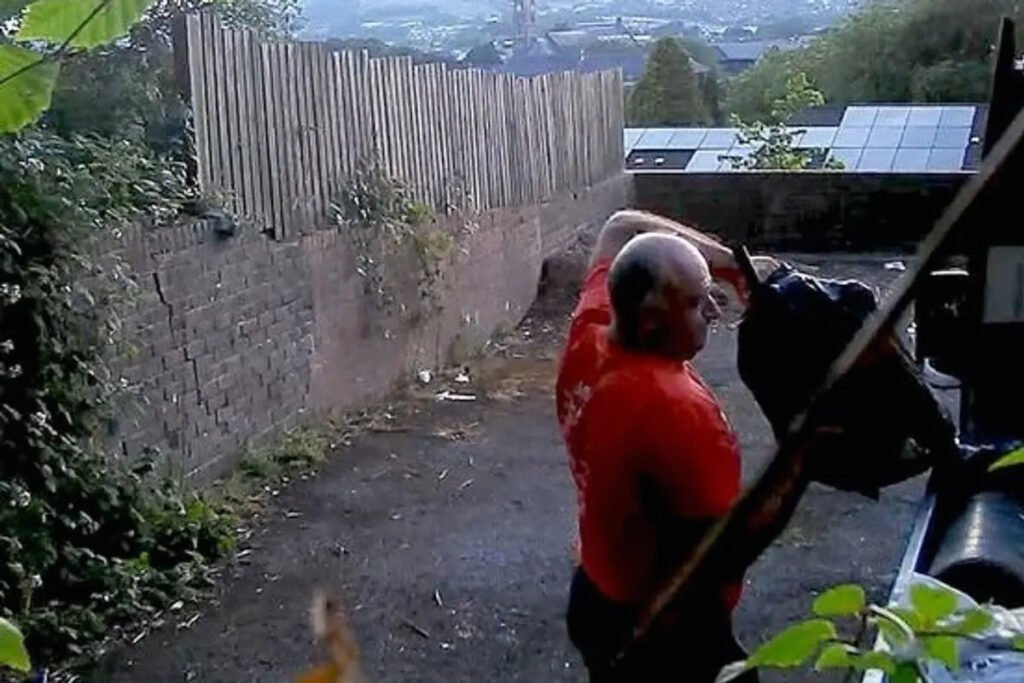
A surveillance operation was subsequently arranged at a location in Neath associated with illegal dumping. During the operation, enforcement officers gathered evidence linking John to a hired Ford Transit tipper truck and several incidents involving the unlawful disposal of waste.
The information collected during surveillance helped investigators establish a connection between the contractor and the discarded materials. Officers were able to use the evidence to strengthen their case and identify his involvement in the offences.
John initially denied responsibility when questioned under caution. However, he later acknowledged his involvement and pleaded guilty to six charges under Section 33 of the Environmental Protection Act 1990, legislation that makes it an offence to deposit controlled waste without the appropriate authorisation.
At Swansea Crown Court, Judge Paul Thomas KC described the repeated offences as environmental vandalism. The judge also expressed concern about the time taken to bring the proceedings to a conclusion, pointing to the defendant’s initial denial before he eventually admitted the charges.
The court imposed a 40-week prison sentence, suspended for 18 months. This means John will not be required to enter prison immediately, provided he meets the conditions attached to the suspended sentence throughout the specified period.
Alongside the prison term, he was ordered to reimburse Neath Port Talbot Council £3,600 towards its legal expenses. The court permitted the amount to be paid in monthly instalments of £100, spreading the repayment over approximately three years.
The council welcomed the outcome, describing it as an important demonstration of its commitment to investigating environmental offences and taking enforcement action against those responsible.
Councillor Carl Jordan, the authority’s Cabinet Member for Streetscene, stressed that the incidents represented more than an isolated mistake. He said repeated illegal dumping was deliberate behaviour that damages the local environment and places unnecessary financial pressure on communities.
Jordan also recognised the work of the enforcement team, praising the officers for conducting a detailed investigation and using surveillance technology to gather evidence against the contractor.
Fly-tipping remains a significant environmental concern throughout Wales and other parts of the United Kingdom. Unlawfully discarded building materials, household rubbish and commercial waste can spoil public spaces, create potential hazards and affect the quality of life for nearby residents.
Local councils often have to dedicate substantial resources to investigating complaints, removing abandoned rubbish and restoring affected locations. These responsibilities can place additional demands on public funds, particularly when illegal dumping occurs repeatedly.
Authorities continue to remind contractors and businesses that they are responsible for ensuring waste is handled and transported through properly authorised disposal facilities. Ignoring these requirements can result in prosecution, financial penalties and imprisonment, depending on the seriousness of the offence.
Neath Port Talbot Council has also encouraged members of the public to report suspicious dumping activities and provide relevant information, including vehicle details, photographs and precise incident locations.
The prosecution serves as a warning that repeated breaches of environmental legislation can carry serious consequences. Council officials have reaffirmed their commitment to tackling fly-tipping, protecting public spaces and holding those responsible for illegal waste disposal accountable.
You can watch the video below