
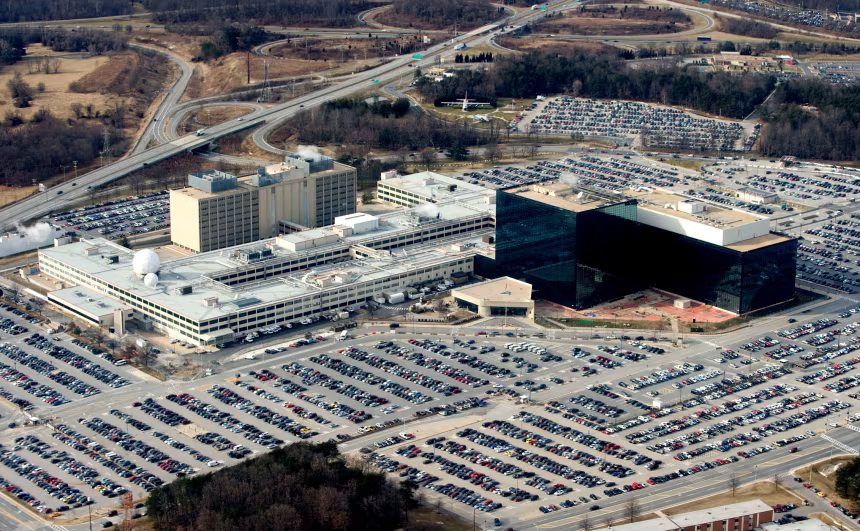
The United States National Security Agency (NSA) faced a major technical disruption on November 17, 2026, after its highly secure internal communications network experienced an unexpected outage. The incident affected NSANet, a classified platform used by agency employees to exchange sensitive intelligence and other confidential information, according to sources familiar with the matter.
The disruption raised questions about the reliability of critical government infrastructure, particularly systems responsible for supporting national intelligence operations. Several individuals familiar with the situation reported that the network had become unavailable, prompting officials to investigate the technical difficulties and consider alternative arrangements.
NSANet is an essential component of the NSA’s internal operations. It enables personnel to communicate securely, distribute classified information and coordinate intelligence activities involving foreign surveillance, cybersecurity and potential threats to the United States.
The temporary loss of access reportedly affected certain workplace activities at the agency’s headquarters in Fort Meade, Maryland. Employees were given adjusted instructions as technical teams worked to restore normal network functions. Some personnel were reportedly asked to follow staggered arrival schedules, while staff responsible for emergency and essential duties continued their regular responsibilities.
Initial concerns surrounding the incident included the possibility of a cyberattack or interference by hostile actors. However, preliminary information did not indicate that malicious activity was responsible for the disruption. Instead, the technical difficulties were reportedly associated with routine software upgrades and scheduled maintenance.
The NSA later addressed the situation, describing the problem as a temporary degradation of its internal systems during planned maintenance activities. The agency emphasized that its essential intelligence capabilities continued operating despite the network disruption.
Officials also highlighted the importance of backup infrastructure in maintaining the agency’s operational readiness. Multiple layers of redundancy and alternative communication arrangements are designed to ensure that critical intelligence functions can continue even when individual systems experience technical problems.
These contingency measures are particularly important for an organization responsible for collecting and analysing signals intelligence, monitoring foreign communications and supporting national cybersecurity efforts. Even a temporary interruption to internal systems can create operational challenges when employees depend on secure digital platforms to exchange sensitive information.
Sources familiar with the situation indicated that alternative facilities and communication channels could help support important activities while technical personnel addressed the affected network. Such arrangements are intended to reduce the possibility that a localized technical failure could develop into a wider operational problem.
The incident has also drawn attention to the broader difficulties facing government agencies as they modernize their digital infrastructure. Intelligence organizations increasingly depend on sophisticated networks, software platforms and interconnected technologies to carry out their responsibilities. Although regular updates are necessary to improve security and performance, maintenance activities can sometimes produce unexpected complications.
Recent technical disruptions involving other major American institutions have further highlighted concerns about the resilience of essential digital services. Problems affecting transportation systems, financial platforms and technology companies have demonstrated how interruptions to complex infrastructure can create significant difficulties for organizations and the public.
Nevertheless, authorities have not established any connection between the NSA outage and other reported technology disruptions. Officials have also cautioned against interpreting separate technical failures as evidence of a coordinated cyber campaign.
The episode has renewed discussions about the importance of strengthening backup systems and ensuring that sensitive government communications remain accessible during unexpected technical failures. For intelligence agencies, maintaining secure and dependable communication channels is essential to responding to emerging threats and sharing time-sensitive information.
Despite the disruption, the NSA has maintained that its most important national security responsibilities were not interrupted. The agency has not publicly released a complete technical explanation of the incident or provided extensive details about the systems affected.
Further information regarding the duration of the outage and the precise circumstances surrounding the failure remains limited. However, the agency’s response indicates that contingency arrangements played an important role in maintaining essential operations.
The incident serves as a reminder that even highly protected intelligence networks are not completely immune to technical failures. As the United States continues investing in advanced intelligence and cybersecurity capabilities, ensuring the stability of classified communication systems will remain a significant priority.
You can watch the video below