
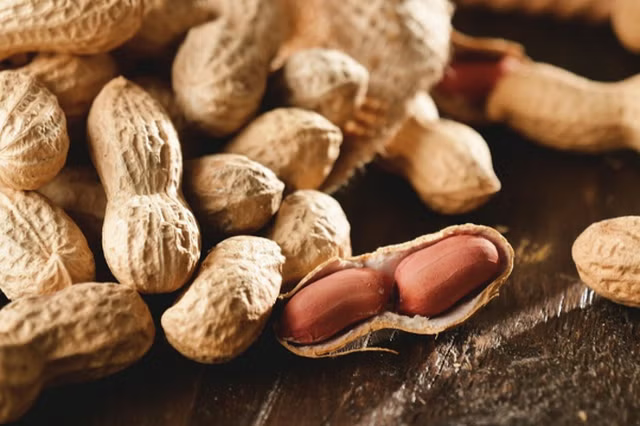
Maintaining brain function during later life may be influenced by everyday food choices, according to emerging nutritional research. Peanuts, a familiar and inexpensive snack, are receiving attention from scientists after studies suggested that consuming them regularly could benefit blood circulation in the brain and support certain memory-related abilities.
Researchers from Maastricht University Medical Center in the Netherlands investigated the potential relationship between peanut consumption and cognitive health in older individuals. Their findings contribute to wider scientific discussions about how nutrition may influence the ageing process and help maintain normal brain activity.
The study, published in the journal Clinical Nutrition in 2025, involved 31 healthy adults aged between 60 and 75. Participants incorporated approximately 60 grams of unsalted, skin-roasted peanuts into their daily diets for 16 weeks. Scientists subsequently assessed changes in their cerebral circulation and memory performance.
The results revealed improvements in blood circulation throughout the brain following the dietary intervention. Overall cerebral blood flow increased by approximately 3.6 per cent, while circulation in grey matter improved by around 4.5 per cent.
Researchers also recorded positive changes in verbal memory. Participants demonstrated an improvement of approximately 5.8 per cent in delayed recall, an ability that involves remembering information after some time has passed.
Memory plays an essential role in everyday activities, from recognising familiar faces to remembering conversations and retaining new information. Although some cognitive changes naturally accompany ageing, maintaining healthy brain function remains an important consideration for older populations.
Scientists suggest that improved blood circulation may be one possible explanation for the observed results. The brain depends on a steady supply of oxygen and nutrients to carry out its activities. Efficient circulation helps deliver these resources to brain cells and supports the communication required for normal cognitive functioning.
Peanuts contain several nutritional components that make them a valuable addition to a balanced diet. They provide plant-based protein, fibre, vitamin E, unsaturated fats and essential minerals. These nutrients contribute to various bodily functions, while their antioxidant compounds have also attracted scientific interest.
Another aspect being explored is the connection between insulin activity and brain health. Insulin is widely known for controlling blood glucose levels, but it also contributes to processes within the nervous system. Appropriate insulin signalling helps regulate communication between nerve cells and supports functions associated with learning and memory.
Further research published in Food & Function in October 2026 explored how daily peanut consumption might influence insulin responsiveness in the brains of older adults. The findings indicated changes in insulin-related activity within particular brain regions, including areas involved in memory processing.
One region of particular interest is the hippocampus, which plays a major role in learning and the formation of memories. Its functioning is important because changes in this area have been linked to age-related cognitive difficulties and neurological conditions.
Despite the encouraging findings, researchers stress that further investigation is necessary. The studies involved relatively small participant groups and examined the effects of peanut consumption over a limited timeframe. Larger trials and longer observation periods will be required to determine whether similar outcomes occur across broader populations.
Importantly, the research does not establish that peanuts can prevent Alzheimer’s disease, eliminate dementia or reverse existing memory problems. Brain health is influenced by several interconnected factors, including genetics, physical activity, sleep quality, cardiovascular wellbeing and overall dietary habits.
Nevertheless, the findings add to growing evidence that nutritious foods may contribute to healthy ageing. Unsalted peanuts can be enjoyed alongside fruits, vegetables, whole grains and other nutrient-rich foods as part of a varied eating routine.
People with peanut allergies should avoid consuming them, while individuals with specific nutritional requirements should seek appropriate dietary guidance.
Overall, the research offers an interesting perspective on the possible relationship between a simple daily snack and cognitive wellbeing. Although peanuts cannot guarantee protection against memory loss, their potential effects on cerebral circulation and memory performance provide an encouraging direction for future scientific studies.
You can watch the video below