
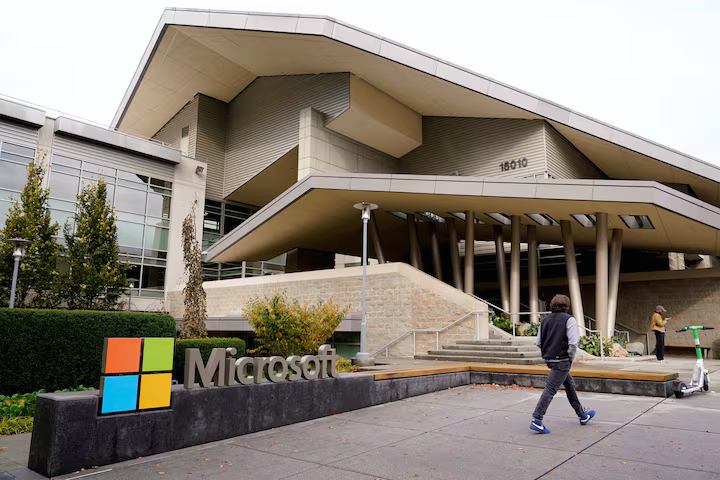
Microsoft is reportedly expanding its workforce restructuring efforts through a voluntary departure program that could cover approximately 60,000 employees. The initiative comes as the technology company continues to prioritise artificial intelligence, improve operational efficiency and reassess staffing requirements across its business divisions.
The reported scheme would give eligible workers the opportunity to leave the organisation in exchange for financial compensation and transition assistance. Rather than relying exclusively on compulsory layoffs, voluntary separation arrangements allow companies to adjust their workforce while giving employees greater control over their career decisions.
The proposed initiative comes amid Microsoft’s growing investment in artificial intelligence and cloud computing. The company has been integrating AI-powered features into its products and services, including Microsoft 365, Windows, Azure and Copilot. These developments form part of its broader strategy to expand its presence in the rapidly evolving AI market.
However, developing and operating advanced AI systems requires substantial financial resources. Investments in data centres, specialised processors, computing infrastructure and research have increased the importance of balancing long-term technological ambitions with operating expenses. Microsoft’s reported buyout initiative reflects the wider challenges technology companies face as they attempt to fund innovation while maintaining financial discipline.
The program is reportedly intended for selected employees rather than the entire workforce. Eligibility may depend on departmental requirements, individual roles and operational considerations. Consequently, the number of employees who could qualify should not be confused with the number expected to accept the offer.
Microsoft has been adjusting its workforce structure as business priorities change. Its operations span cloud services, enterprise software, gaming, consumer products and artificial intelligence, each of which faces different market conditions and staffing needs. A voluntary exit scheme could help the company reorganise selected teams while redirecting resources towards areas considered strategically important.
The development also highlights the growing influence of automation on employment across the technology sector. AI tools can assist with software development, customer service, data analysis and administrative work, potentially allowing certain tasks to be completed more efficiently. As these capabilities expand, companies are reassessing how employees contribute to business operations and which skills will be required in the future.
Nevertheless, artificial intelligence does not automatically eliminate the need for human workers. Expanding AI services also creates demand for specialists in software engineering, cybersecurity, cloud infrastructure, AI safety and data management. The ultimate effect on employment will depend on how businesses introduce these technologies and whether workers can transition into emerging roles.
For employees considering a voluntary departure, the decision involves more than the immediate financial package. Workers must also consider future employment opportunities, healthcare and retirement benefits, career prospects and the uncertainty associated with changing jobs. Financial assistance and career-transition support may help, but the suitability of leaving will vary according to individual circumstances.
For Microsoft, voluntary departures could provide a means of adjusting staffing levels without requiring every workforce reduction to involve compulsory redundancies. The approach may also allow the company to retain greater flexibility as it directs investment towards AI development and other growth areas.
The broader technology industry is undergoing a similar transformation, with businesses reviewing organisational structures and reallocating resources as competition in artificial intelligence intensifies. Companies are under pressure to demonstrate that their investments can generate sustainable revenue, improve productivity and strengthen their competitive positions.
Despite the attention surrounding Microsoft’s reported initiative, important details require confirmation, including the final eligibility criteria, the number of employees expected to participate and the precise terms of the separation packages. The reported figure of 60,000 should therefore be independently verified before publication.
The initiative illustrates the growing connection between technological transformation and workforce planning. As Microsoft advances its AI strategy, the balance between investment, productivity, employment and long-term growth will remain central to its next phase of development.
You can watch the video below