
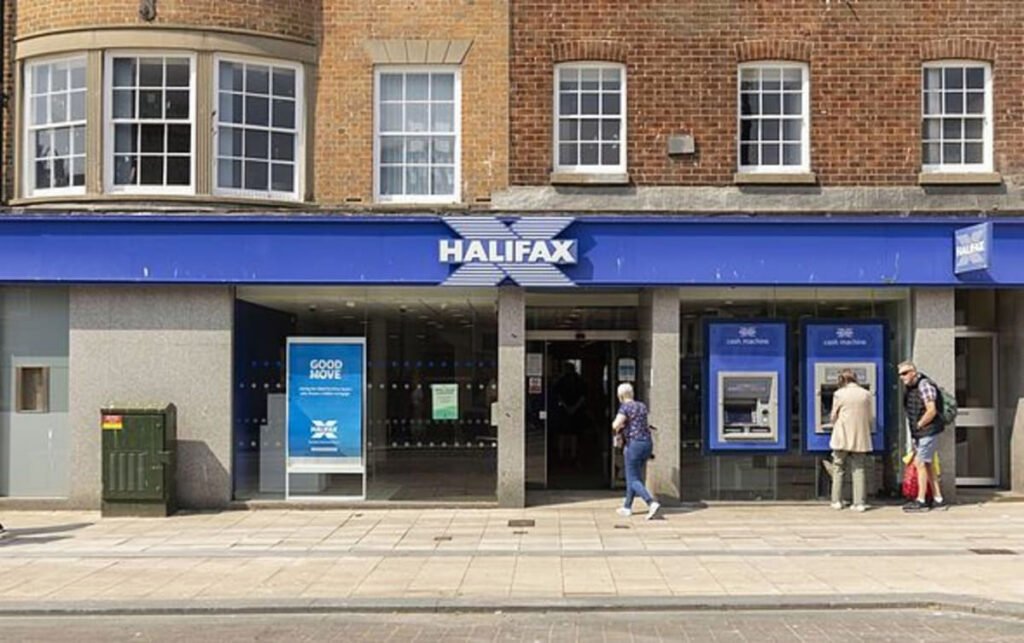
Customers of Halifax and Lloyds Bank are set to experience further changes to their local banking services, with 17 branches scheduled to close across the UK in November 2026. The planned shutdowns reflect the continuing transformation of Britain’s banking sector, as financial institutions respond to growing demand for digital services and changing customer habits.
The two banking brands, both part of Lloyds Banking Group, are preparing to close eight Halifax branches and nine Lloyds Bank locations. The affected sites are spread across several towns and cities, leaving some customers facing changes to their usual arrangements for accessing banking services.
Under the published schedule, Halifax branches in Clacton-on-Sea, Dalston, Ilford, Leigh, Liverpool, Llanelli, Redcar and Sheffield are due to shut during the month. The closures are scheduled to begin on November 2, with additional branches expected to cease operations on November 3, 4 and 9.
Lloyds Bank is also planning to discontinue services at branches in Accrington, Harrogate, Ilkeston, Leicester, Liverpool, Wakefield, Wallsend and Worksop. Two locations in the Leicester area are included in the list. The planned closure dates extend from early November through November 19.
The announcement means some customers may need to travel farther to complete transactions that previously required only a short visit to their local branch. Services such as cash withdrawals, deposits, cheque handling and face-to-face financial assistance could become less convenient for people who depend on traditional banking facilities.
Digital Services Reshape Banking
The growing popularity of online banking has played a significant role in the industry’s changing approach to physical branches. Customers increasingly use mobile applications and internet banking platforms to transfer money, check balances, pay bills and manage their accounts remotely.
Lloyds Banking Group has expanded its digital services as part of its efforts to adapt to these changing preferences. As more everyday transactions move online, banks are reassessing the use of their physical locations and adjusting their branch networks accordingly.
Nevertheless, the reduction in high street banking facilities continues to raise concerns about accessibility. Older customers, people with disabilities and individuals who are unfamiliar with digital technology may find it more difficult to manage their finances without nearby branches.
Small businesses and customers who regularly deal with cash could also experience inconvenience, particularly in areas where alternative banking facilities are limited or public transport connections are poor.
Alternative Banking Options for Customers
Customers affected by the closures may still be able to access many everyday banking services through other locations within Lloyds Banking Group’s network. Branches belonging to Lloyds, Halifax and Bank of Scotland provide certain shared services, although availability can vary depending on the transaction and location.
Participating Post Office branches also offer selected banking facilities, including cash withdrawals and deposits. In addition, shared banking hubs in some communities provide access to basic services for customers of different financial institutions.
Community Bankers may also be available in certain areas to help customers understand their options and manage everyday banking needs. However, these arrangements may not offer every service available at a full-service bank branch.
Customers are advised to confirm the final operating date of their local branch and identify alternative facilities before the closures take effect. Those who regularly rely on in-person assistance should check which services will remain accessible in their area.
Further Changes to Britain’s High Streets
The planned November shutdowns highlight the continuing decline of traditional bank branches across the UK. Although digital banking offers greater convenience for many people, the reduction of physical locations has intensified discussions about access to cash and financial support for local communities.
The consequences of the closures will depend on how easily affected customers can reach alternative branches, Post Office facilities and banking hubs. For some, the transition may be straightforward, while others could face additional travel and practical difficulties.
As November approaches, Halifax and Lloyds customers are encouraged to review their banking arrangements and prepare for the changes. Ensuring access to suitable alternatives will be important in minimizing disruption when the 17 branches close.
You can watch the video below