
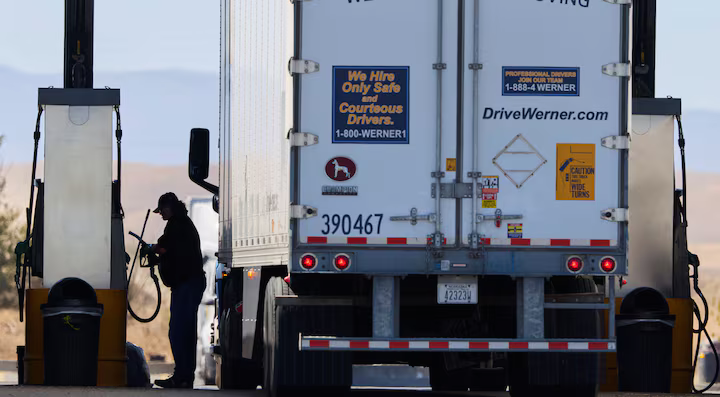
The Trump administration is increasing its efforts to help American farmers and other diesel-dependent businesses cope with elevated fuel costs as the November 3 midterm elections draw closer. Recent measures include a multibillion-dollar agricultural assistance package and temporary regulatory changes intended to provide additional flexibility for diesel users.
Despite these interventions, fuel prices remain a concern for businesses across the United States. Farmers, trucking companies and other industries that depend on diesel continue to face higher operating expenses, raising questions about whether the administration’s initiatives will provide sufficient relief.
The pressure comes at a challenging time for the agricultural sector, with farmers relying on fuel-intensive machinery to complete seasonal harvesting and transport crops to markets. Higher diesel costs can increase the expense of producing and distributing food, potentially adding to broader inflationary pressures.
Farm Assistance Package Targets Rising Expenses
President Donald Trump announced an $8 billion assistance package on October 19 to help eligible farmers manage higher agricultural production costs and financial losses during the 2026 crop year.
The proposed Harvest Fuel Relief Program is intended to provide one-time payments to qualifying agricultural producers. The initiative is being administered through the U.S. Department of Agriculture’s Farm Service Agency, although payment arrangements and distribution timelines remained under development as of October 23.
According to administration officials, payments could arrive toward the end of the year, meaning many recipients may not receive the assistance before the election.
The package adds to previous federal support intended to help farmers navigate trade disruptions, increased input expenses and other financial challenges. Agricultural groups have welcomed additional funding but continue to emphasize the need for measures that address the underlying causes of rising production costs.
One-time payments may help participating farmers cover immediate expenses, but they do not necessarily provide lasting protection against continued increases in fuel prices, fertilizer costs and transportation charges.
Diesel Prices Continue to Challenge Businesses
Diesel prices have remained elevated, putting pressure on industries that rely on the fuel for daily operations. The U.S. Energy Information Administration reported that the national average increased by nearly 10 cents per gallon in the latest reported week, reaching $6.28.
The increase followed two consecutive weeks of declines, highlighting the volatility affecting the fuel market.
For farmers, diesel is essential for operating tractors, harvesters and other heavy equipment. Trucking companies also depend on the fuel to transport agricultural products, manufactured goods and everyday supplies across the country.
When fuel becomes more expensive, businesses may raise their prices to offset higher operating costs. These increases can eventually affect consumers through more expensive groceries, transportation services and other goods.
International developments have added to the uncertainty. Disruptions to global energy supplies, including tensions involving Iran, have contributed to concerns about oil availability and refined fuel prices.
Temporary Rules Offer Additional Flexibility
The administration has also pursued regulatory changes intended to make diesel supplies more accessible during the period of elevated prices.
An executive order temporarily eased certain reporting requirements and penalties associated with the use of red-dyed diesel on highways. This type of fuel is generally designated for off-road purposes, including agricultural machinery, and is subject to specific tax rules.
The temporary changes are intended to give fuel users greater flexibility. However, they do not automatically eliminate the federal diesel tax or guarantee lower prices at the pump.
The administration has also explored international supply-related measures, including adjustments involving certain Russian fuel restrictions and calls for European allies to release emergency oil reserves.
These steps have attracted differing reactions. Supporters argue that increasing available supplies could help ease pressure on energy markets, while critics have raised concerns about the economic and geopolitical consequences of relaxing certain restrictions.
Election Approaches as Economic Concerns Persist
The continued rise in diesel prices presents an economic and political challenge for the administration ahead of the midterm elections. Fuel expenses affect not only agricultural producers but also logistics companies, small businesses and households exposed to higher transportation costs.
The assistance package could provide financial support to eligible farmers, but it is unlikely to resolve every difficulty associated with elevated energy prices. International supply conditions, refining capacity and wider market developments will continue to influence what consumers and businesses pay.
The timing of the payments may also limit their immediate effect on farmers facing expenses during the current harvest season.
For now, the administration is attempting to combine direct financial assistance with temporary regulatory measures and broader efforts to support fuel availability. The ultimate impact will depend on how quickly the programs are implemented and whether energy market conditions improve.
As the election approaches, farmers, truckers and consumers will be watching closely to determine whether the government’s response delivers meaningful savings or provides only temporary relief from persistent fuel costs.
You can watch the video below