
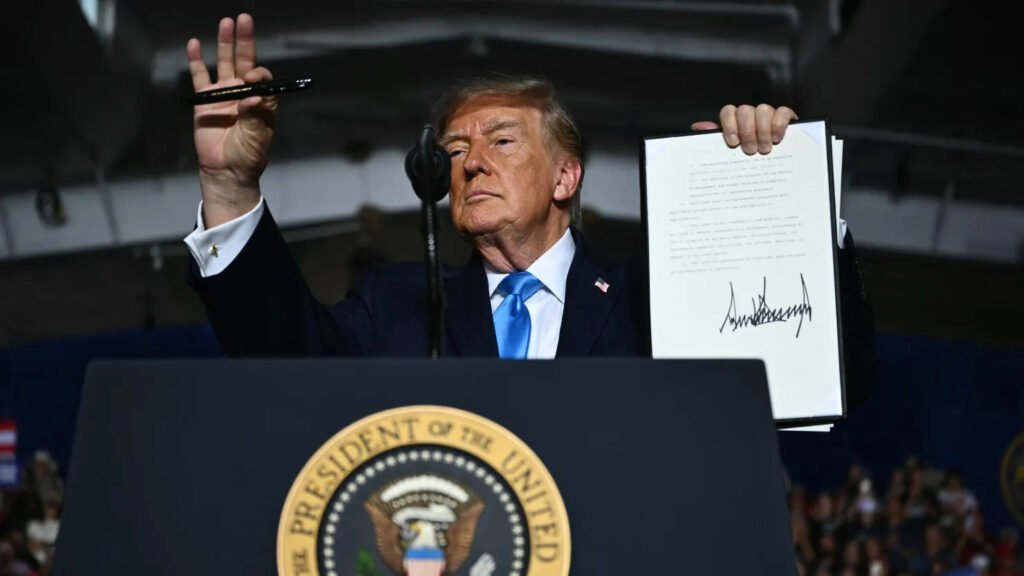
The Trump administration has introduced a new federal housing initiative aimed at easing some of the financial burdens associated with buying, refinancing and maintaining a home. The measures focus on mortgage insurance premiums, refinancing expenses and other costs that can make homeownership difficult for American families.
Announced through an executive order, the initiative directs federal housing agencies to explore ways to reduce expenses for eligible borrowers using certain government-backed mortgage programs. It also seeks to expand alternatives to traditional title insurance arrangements and promote more affordable housing options.
The announcement comes as many households continue to face challenges from high home prices, borrowing expenses and limited housing availability. Although the initiative could provide financial relief to some borrowers, the extent of its impact will depend on the implementation of individual measures and the eligibility requirements established by federal agencies.
Mortgage Insurance and Refinancing Under Review
Mortgage insurance can increase the overall cost of purchasing a home, particularly for borrowers who make smaller down payments. These premiums generally protect lenders against certain losses if a borrower fails to repay a loan, but they can add a substantial amount to monthly housing expenses.
The administration’s plan seeks to identify opportunities to reduce mortgage insurance costs for qualifying borrowers. The potential benefits will depend on the type of mortgage involved and the final terms of any programs introduced under the initiative.
Refinancing costs are another area receiving attention. Homeowners may refinance their mortgages to obtain a lower interest rate, change their repayment period or adjust their monthly obligations. However, closing fees and other transaction expenses can make refinancing less attractive, even when a new loan could offer long-term savings.
The administration intends to explore ways to make refinancing more affordable for eligible homeowners. Whether borrowers experience meaningful reductions will depend on the measures adopted, their existing loan arrangements and prevailing interest rates.
Alternatives to Traditional Housing Transaction Costs
The executive order also calls for examining alternatives to certain traditional title insurance arrangements. Title insurance protects property buyers and lenders against specified losses arising from ownership disputes, undiscovered liens and other defects in a property’s title history.
Expanding available options could encourage greater competition and potentially lower some transaction expenses. However, any alternative would need to maintain adequate protection against legal and financial risks associated with property ownership.
The initiative also includes efforts to support more affordable manufactured housing. Factory-built homes can offer an alternative to conventional properties, although the final cost depends on factors such as land ownership, installation, transportation, financing and local requirements.
To advance this objective, the order establishes a Task Force on Manufactured Housing Innovation. The group is expected to examine opportunities to encourage construction innovation, improve efficiency and address obstacles that may limit the availability of manufactured homes.
Federal Loan Programs Could See Adjustments
The order further directs the U.S. Department of Agriculture and the Department of Veterans Affairs to reduce interest rates on certain single-family home loans issued directly through their respective programs.
These changes could benefit eligible rural homebuyers and veterans who qualify for the relevant federal lending options. Lower interest rates generally reduce borrowing costs, although the actual savings will depend on the loan amount, repayment period and final terms.
The measures form part of a wider effort to make housing expenses more manageable for households facing affordability pressures. However, they do not guarantee that mortgage rates across the private lending market will fall or that home prices will decline.
What Borrowers Should Expect
For homeowners, the proposed changes could create opportunities to reduce selected expenses, particularly those related to mortgage insurance and refinancing. Nevertheless, not every borrower will automatically qualify for assistance, and some provisions require further agency action before their effects become clear.
The mortgage insurance cancellation pilot is intended to cover eligible loans originated after the program begins. Consequently, homeowners with existing mortgages should not assume that the initiative will automatically eliminate their current insurance payments.
Borrowers considering refinancing or purchasing a property should continue comparing loan offers, reviewing fees and checking the specific eligibility requirements of available programs.
Ultimately, the administration’s housing initiative seeks to address several costs that contribute to the financial burden of homeownership. Its broader success will depend on how the individual measures are implemented, how lenders and housing agencies respond, and whether the resulting savings reach eligible families.
You can watch the video below