
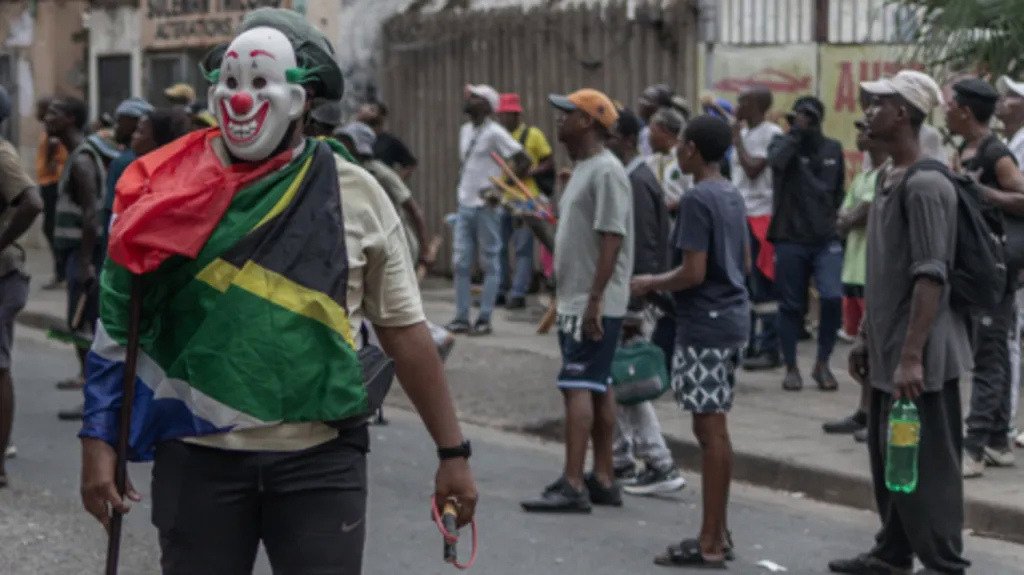
A foreign national has died following a brutal assault involving approximately 50 people in Durban, South Africa, as authorities investigate the circumstances surrounding the killing amid heightened tensions over immigration.
The fatal incident reportedly occurred on Thursday, October 22, 2026, in central Durban. According to police accounts cited in local media reports, a group of people was moving through the area when two individuals allegedly approached a man standing beside the road. The confrontation escalated when additional members of the crowd joined the attack, leaving the victim fatally injured. Emergency responders pronounced him dead at the scene.
The victim’s identity and nationality have not been officially disclosed. Police have opened a murder investigation and are working to establish what led to the assault, including whether the incident was connected to demonstrations against undocumented immigration.
Authorities have cautioned against drawing conclusions about the motive before the investigation establishes the facts. Although the attack occurred amid heightened anti-migrant sentiment, investigators have not publicly confirmed that xenophobia was responsible for the killing.
The incident has nevertheless renewed concerns about the safety of foreign nationals in South Africa, where immigration-related protests have occasionally escalated into violence. Durban, a major commercial centre in KwaZulu-Natal province, has recently witnessed demonstrations demanding stricter immigration enforcement and action against undocumented residents.
Earlier in October, unrest in parts of Durban and Johannesburg’s Soweto township was accompanied by reports of looting, property damage and vehicles being set alight. The disturbances increased pressure on authorities to strengthen security measures and prevent further attacks on businesses and residents.
The latest killing has also raised fears among local traders and workers, particularly those from other countries. Media reports indicated that some businesses near the scene temporarily closed following the incident, reflecting concerns about further disturbances. However, the full circumstances surrounding the attack and the identities of those involved remain under investigation.
South Africa has experienced repeated episodes of xenophobic violence, with migrants from other African countries sometimes becoming targets of hostility over allegations involving employment, crime and access to public services. Economic inequality, unemployment and frustration over government services have contributed to contentious public debates about immigration.
Protest groups have called for stronger border controls and more effective action against undocumented migration. Human rights advocates, however, have warned that these concerns must not be used to justify collective punishment, intimidation or violence against foreign communities.
The unrest has also attracted attention from other African countries concerned about the welfare of their citizens living in South Africa. Previous outbreaks of violence have prompted calls for greater protection of migrants and raised questions about the government’s ability to prevent attacks linked to anti-immigrant sentiment.
Police have not announced a confirmed motive or publicly identified suspects in connection with the Durban killing. Investigators are expected to examine available evidence and pursue leads to determine who participated in the assault and whether anyone else was involved.
The incident highlights the difficulties confronting South African authorities as they respond to public concerns about immigration while seeking to maintain law and order. Officials face growing pressure to ensure that grievances are addressed through lawful procedures rather than mob violence.
As the investigation proceeds, the killing remains a stark reminder of the risks faced by vulnerable communities during periods of social tension. Establishing accountability for the attack and preventing further violence will be essential to restoring confidence and protecting residents across the affected areas.
You can watch the video below