
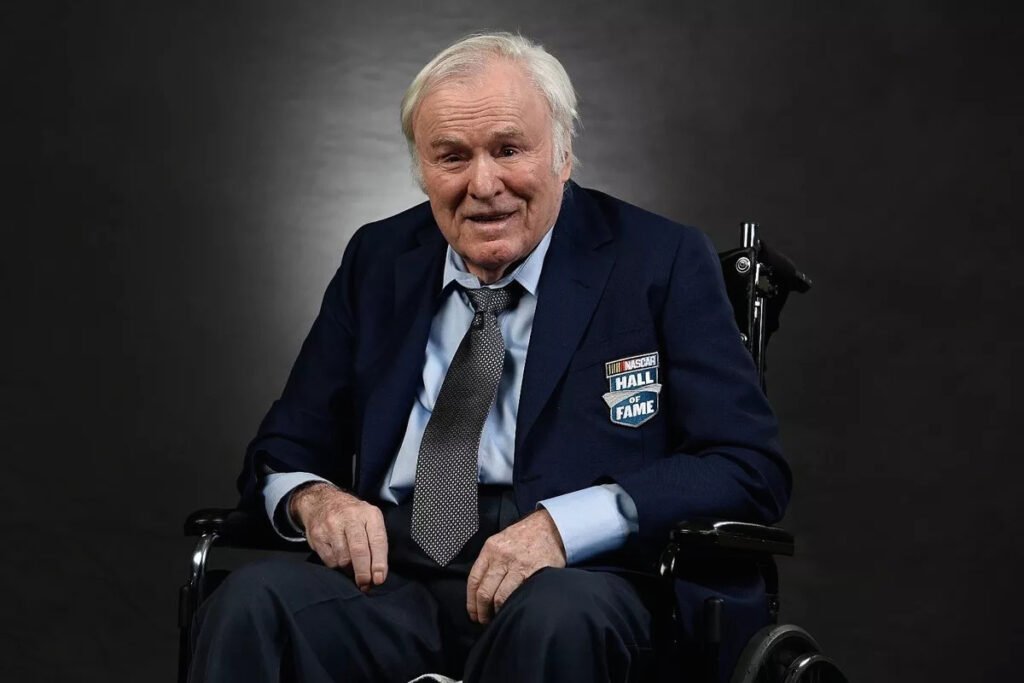
Former NASCAR racing star Fred Lorenzen has been found to have chronic traumatic encephalopathy (CTE), a progressive brain disease associated with repeated head impacts. The discovery followed an examination of his brain after he donated it for scientific research, bringing renewed attention to the potential long-term health risks faced by professional racing drivers.
Lorenzen, who died in December 2024 at the age of 89, was diagnosed with Stage 3 CTE by researchers at Boston University’s CTE Center. The findings were announced on October 20, 2026, by his family through the Concussion & CTE Foundation. His case has been described as the first confirmed CTE diagnosis reported in a NASCAR driver, highlighting an area of motorsports health that requires further investigation.
The former driver had pledged to donate his brain in 2016, hoping his contribution would help scientists understand the consequences of repeated head trauma. According to his family, Lorenzen experienced dementia for roughly two decades, with his condition worsening as he grew older. The postmortem findings have provided additional information about his neurological health, although researchers cannot determine every aspect of his illness from the diagnosis alone.
CTE is a degenerative neurological condition linked to repeated blows to the head. Such impacts can occur even when an individual does not experience a diagnosed concussion. The disease has been widely discussed in contact sports, particularly American football, but Lorenzen’s case has drawn attention to the possibility of similar risks in professional auto racing.
Currently, CTE can only be definitively identified through an examination of brain tissue after death. Researchers classify its pathological severity into four stages, with Stage 3 indicating substantial disease-related changes. However, the severity of the pathology does not necessarily correspond directly to the symptoms experienced by an individual during their lifetime.
Lorenzen remains one of the most recognizable figures in NASCAR history. Nicknamed “The Golden Boy” and “Fast Freddie,” he recorded 26 victories in NASCAR’s premier series during his career. Among his most notable accomplishments was winning the Daytona 500 in 1965, a victory that strengthened his reputation as one of the sport’s leading competitors. His achievements were later recognized with his induction into the NASCAR Hall of Fame in 2015.
Despite his success, Lorenzen competed during a period when racing safety was substantially different from modern standards. Protective equipment, vehicle construction and track safety systems have advanced considerably since the 1960s. Drivers in that era were exposed to dangerous crashes and forceful impacts, raising questions about whether repeated exposure may have contributed to neurological problems later in life.
His diagnosis has also encouraged renewed discussion about how motorsports organizations can better understand and address the long-term consequences of head injuries. Although modern safety improvements have reduced numerous racing hazards, the effects of repeated head impacts over a driver’s career remain an important subject for scientific study.
Lorenzen’s family has responded to the findings by pledging $1 million to the Concussion & CTE Foundation. The donation is intended to support further research and establish the Fred Lorenzen Memorial HelpLine, which will provide assistance and resources for drivers and families affected by brain injuries.
The contribution reflects the family’s hope that Lorenzen’s experience can help others recognize neurological problems and obtain appropriate guidance. It also highlights the role that families and former athletes can play in advancing research into conditions that remain difficult to diagnose during life.
While the findings do not establish how prevalent CTE may be among NASCAR competitors, they provide an important reason to investigate the issue more closely. Researchers will need additional brain donations and long-term studies to understand the relationship between racing-related head impacts and neurological disease.
Beyond his achievements on the track, Lorenzen’s decision to contribute to scientific research has added another dimension to his legacy. His case serves as a reminder that the consequences of professional sports can extend far beyond retirement, reinforcing the need to prioritize athlete health, improve awareness and continue investigating the long-term effects of repeated head trauma.
You can watch the video below