
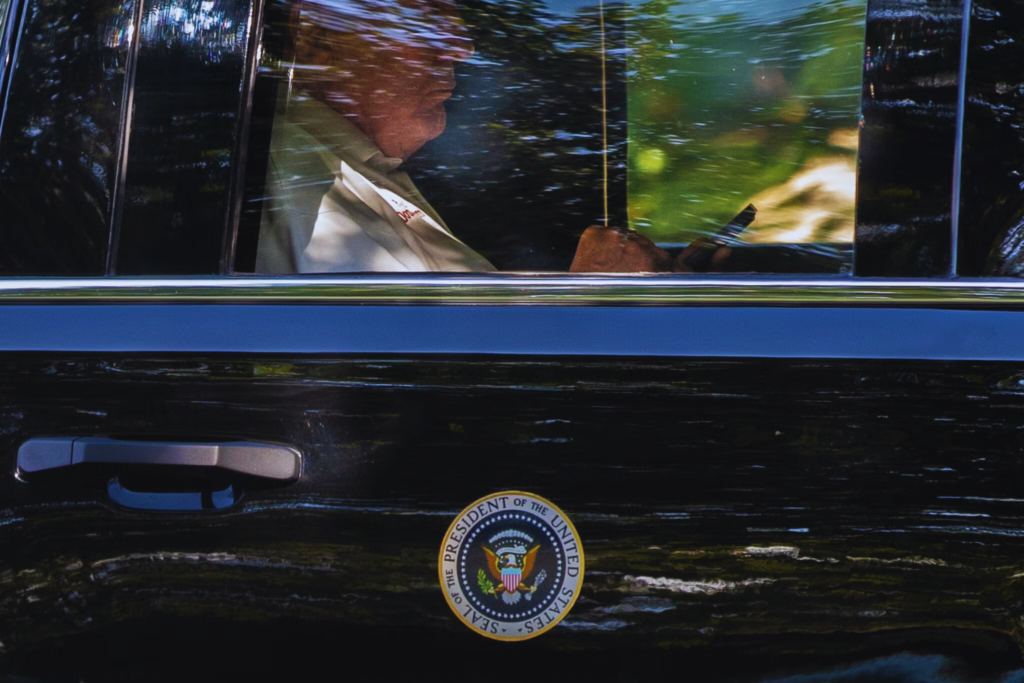
A legal battle over the control and preservation of White House documents has reached a federal appeals court, where judges are examining the Justice Department’s challenge to a law governing presidential records. The case raises questions about the limits of executive authority, Congress’s legislative powers and the government’s responsibility to preserve official documents.
During a hearing on October 16, 2026, judges from the U.S. Court of Appeals for the District of Columbia Circuit questioned the Justice Department’s argument that the Presidential Records Act of 1978 is unconstitutional. The proceedings form part of a broader dispute over whether the federal government can require presidents and their staff to retain records created while carrying out official duties.
The court has yet to issue a final ruling, leaving the future of the legal challenge unresolved.
Enacted after the Watergate scandal, the Presidential Records Act established rules for managing and preserving documents produced during a president’s administration. The legislation was intended to ensure that official records remain under government control rather than becoming the private property of an outgoing president.
Under the statute, presidential records must be preserved and transferred to the National Archives and Records Administration when an administration concludes. Although many documents may eventually become available to the public, some remain protected by restrictions involving national security, personal privacy and other legal considerations.
The current dispute stems from a legal opinion issued by the Justice Department’s Office of Legal Counsel in April 2026. The office argued that the legislation exceeds Congress’s constitutional authority and places improper restrictions on the executive branch.
According to the administration’s legal position, requirements governing presidential recordkeeping could interfere with the president’s ability to manage executive operations. The challenge therefore centres on the constitutional relationship between the presidency and Congress, rather than simply the physical possession of individual documents.
Opponents of the administration’s position argue that official government records must be protected to maintain accountability and preserve an accurate historical record. They contend that Congress has a legitimate interest in establishing rules for documents created through the exercise of public authority.
The appeals court hearing focused on these competing interpretations of constitutional power. Questions from the judges indicated that the Justice Department’s argument faced scrutiny, particularly regarding the possible consequences of declaring the existing law invalid.
The proceedings follow a May 2026 decision by a federal district court requiring relevant White House offices and officials to comply with the Presidential Records Act while the case continues. The Trump administration subsequently appealed that order, seeking to challenge the legal basis for the preservation requirements.
The litigation has drawn attention from organisations concerned with government transparency and access to historical documents. Such groups argue that presidential records can provide essential information about policy decisions, government operations and the exercise of executive power.
The implications of the case could extend well beyond the current administration. If the appeals court agrees with the Justice Department’s constitutional challenge, the legal framework governing presidential records could face significant changes. A decision upholding the existing law would leave the current preservation requirements in place, subject to any further appeals or proceedings.
The dispute also highlights a broader question about the separation of powers in the United States. Presidents require authority to direct executive branch operations, while Congress has the power to enact laws governing federal institutions. Determining where those responsibilities intersect is central to the court’s consideration of the case.
For historians, journalists and researchers, the outcome could influence how government documents are preserved for future examination. Maintaining official records allows subsequent generations to understand the decisions and events that shaped a presidential administration.
Nevertheless, the judges’ questions during the hearing should not be interpreted as a final decision on the merits of the administration’s challenge. The appeals court must assess the arguments and applicable constitutional principles before issuing its ruling.
The case remains an important test of the legal protections surrounding presidential records. Its eventual resolution could clarify the extent of congressional authority over official documents and establish how future administrations must handle records created during their time in office.
You can watch the video below