
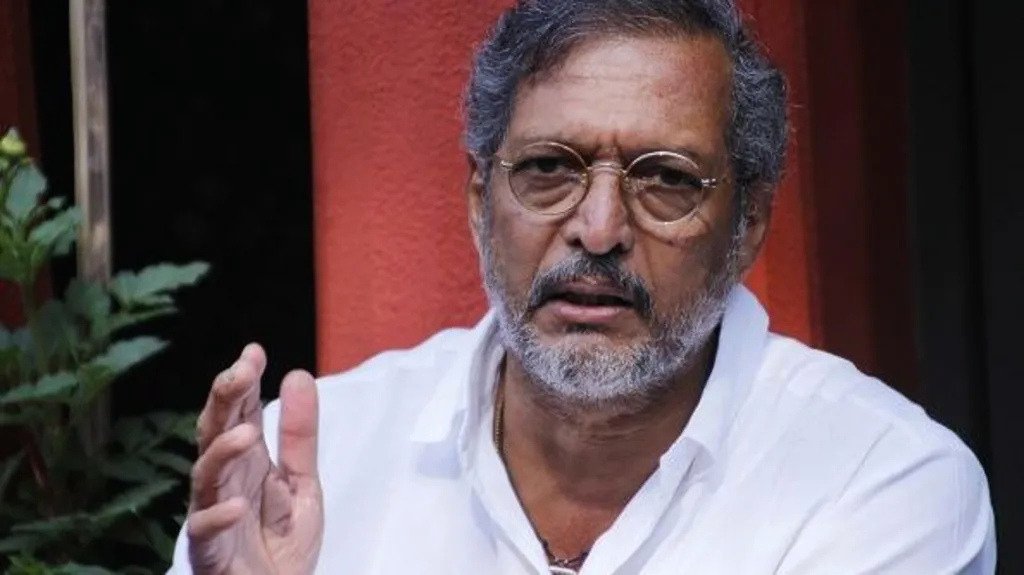
Indian cinema is mourning the death of veteran actor Nana Patekar, who has died at the age of 75. Known for his commanding screen presence, distinctive voice and powerful performances, Patekar leaves behind a career that stretched across nearly five decades.
Patekar died in Goa on Thursday, October 8, following a cardiac arrest, according to reports. His death marks the passing of one of the most recognizable performers in Hindi and Marathi cinema, whose work earned widespread critical acclaim as well as a devoted audience.
Born Vishwanath Patekar in Maharashtra in 1951, he developed an interest in performance through theatre before establishing himself in the Indian film industry. His early experience on stage helped shape the intense and expressive acting style that later became closely associated with him.
He made his film debut in Gaman in 1978 and gradually built a reputation through roles that were often complex and demanding. Rather than focusing exclusively on traditional leading roles, Patekar became known for portraying troubled characters, antagonists, authority figures and emotionally conflicted protagonists.
Some of his most influential performances came in films including Parinda, Prahaar, Angaar and Krantiveer. His work in Parinda earned him a National Film Award, while his performance in Krantiveer brought him the National Award for Best Actor. He later received another National Film Award for Agni Sakshi.
Patekar’s versatility became one of the defining features of his career. He could move from intense dramas to commercial entertainers without losing the individuality that audiences associated with him. Films such as Tiranga, Khamoshi: The Musical, Ab Tak Chhappan and Apaharan further demonstrated his range.
A different side of the actor emerged in the popular comedy Welcome, released in 2007. His portrayal of Uday Shetty showed that his talents extended beyond serious dramatic roles and established him as a memorable comic performer as well.
His acting was often characterized by powerful dialogue delivery, expressive gestures and an ability to create tension without relying on exaggerated performances. Even in supporting roles, he frequently became one of the most memorable figures on screen.
Patekar also explored filmmaking beyond acting. He directed Prahaar: The Final Attack, released in 1991, expanding his involvement in cinema to work behind the camera.
His contribution to Indian arts received major recognition throughout his career. Alongside three National Film Awards, he was awarded the Padma Shri in 2013 for his contribution to the arts.
His work extended into Marathi cinema as well, with Natsamrat becoming one of the notable later achievements of his career. The film allowed him to deliver an emotionally demanding performance and reinforced his standing as an actor capable of carrying complex dramatic material.
Outside the entertainment industry, Patekar was also associated with social work. He became involved in initiatives supporting farmers and rural communities in Maharashtra and co-founded the Naam Foundation with fellow actor Makarand Anaspure. The organization has worked on rural development, water conservation and support for farmers.
Despite decades in the industry, Patekar continued appearing in films during his later years. His longevity allowed him to remain familiar to audiences across several generations, while his earlier performances continued to influence Indian cinema.
Tributes following his death have focused on his unusual acting style, powerful performances and contribution to both Hindi and Marathi filmmaking. Colleagues and admirers have remembered him as an artist who brought intensity and authenticity to a wide variety of roles.
From serious dramas and socially driven films to mainstream comedies, Patekar created a body of work that crossed genres and generations. His performances in films such as Parinda, Krantiveer, Agni Sakshi, Natsamrat and Welcome remain among the most recognizable chapters of his career.
With his death at 75, Indian cinema loses an actor whose distinctive personality and uncompromising approach to performance made him difficult to imitate. His decades-long contribution ensures that his work will continue to be revisited by audiences and remembered as an important part of India’s cinematic history.
You can watch the video below