
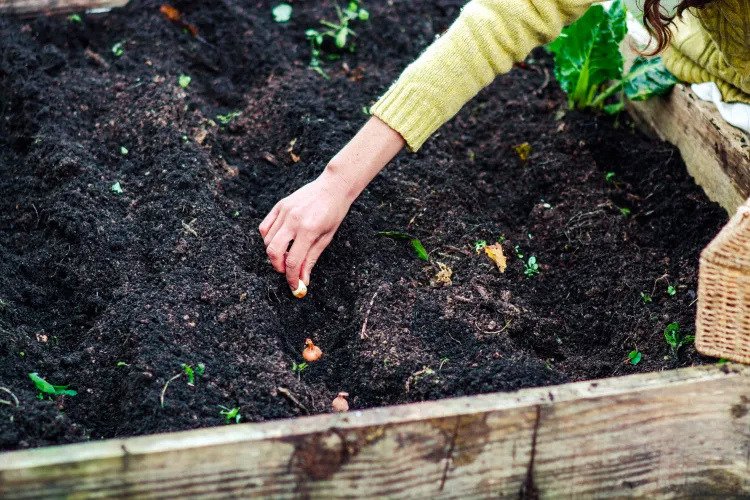
A vibrant spring garden often begins months before the first flowers appear. Gardeners hoping to enjoy tulips, daffodils, crocuses, hyacinths and other spring-blooming flowers should start planning ahead, but experts say timing is important. Getting bulbs into the soil too early can create problems, while waiting until the ground becomes frozen can make planting difficult.
For most hardy spring-flowering bulbs, fall is considered the ideal planting season. Gardeners should generally wait until the summer heat has faded and the soil has cooled, then plant before the ground freezes. The precise window depends on the region, the type of bulb and when the first hard freeze is expected.
Spring bulbs need exposure to cold temperatures before they can produce flowers successfully. Planting them during fall gives the bulbs enough time to develop a strong root system before winter sets in.
Tulips, daffodils, crocuses and hyacinths are among the popular spring bulbs that benefit from this period of cold. Once winter passes and temperatures begin to rise, the bulbs can emerge and begin their seasonal growth.
Gardeners therefore shouldn’t assume that seeing spring bulbs in stores means they need to plant them immediately.
Although late summer may seem like a convenient time to begin gardening, warm soil isn’t necessarily ideal for spring bulbs. Planting too soon can encourage unwanted growth before winter and may increase the possibility of bulbs developing rot, particularly when soil remains warm and damp.
In many areas, gardeners are advised to wait until soil temperatures have dropped to around 55 degrees Fahrenheit or until approximately six to eight weeks remain before the expected hard freeze.
Because climates differ significantly, there isn’t one planting date that works everywhere. Gardeners in colder regions may need to plant earlier, while those living in warmer areas may have to wait until later in the fall.
The best planting time can also vary from one bulb to another. Daffodils and crocuses are often planted during the early or middle part of fall, while tulips can generally be planted later as long as the soil is still workable.
Gardeners should also avoid treating every flowering bulb the same way. Tender varieties, including dahlias and gladiolus, follow a different growing schedule and are typically planted after the threat of spring frost has passed.
When planting day arrives, selecting healthy bulbs is an important first step. Bulbs should feel firm and should not show obvious signs of mold, damage or decay.
Good drainage is equally important. Soil that remains excessively wet can cause bulbs to rot, so gardeners should choose areas where water does not collect.
As a general rule, bulbs are planted at a depth of approximately two to three times their height. However, gardeners should check the recommendations for each specific variety because planting requirements can differ. In most cases, the pointed portion of the bulb faces upward, while the root end is positioned toward the bottom.
Once planted, the soil should be watered enough to help settle it and encourage root development. Overwatering should be avoided, especially in regions that receive substantial rainfall. Adding a modest layer of mulch can also provide some protection against winter temperature swings.
Successful spring flowers depend heavily on what happens months earlier. Rather than rushing to plant bulbs during late summer, gardeners should watch local soil and weather conditions and wait for the cooler temperatures of fall.
Planting at the appropriate time, choosing healthy bulbs and providing well-drained soil can give spring-flowering plants a strong start. With a little preparation before winter, gardeners can look forward to a colorful display when spring finally arrives.