Iran is facing mounting economic pressure as the country grapples with a weakening currency, high inflation, restricted oil revenues and the continuing consequences of conflict and international sanctions.
Mohsen Rezaei, secretary of Iran’s Supreme National Security Council, has issued a serious warning about the state of the country’s economy, describing the current period as one of the most challenging in Iran’s recent history. His comments came during a meeting of the government’s economic coordination headquarters on October 3, as officials considered the growing difficulties facing the country.
The warning comes against a backdrop of increasingly severe financial pressures. Iran has been dealing with restrictions on its oil exports, limited access to foreign currency and disruptions to trade. These problems have placed additional strain on government finances and made it more difficult for authorities to respond to rising costs.
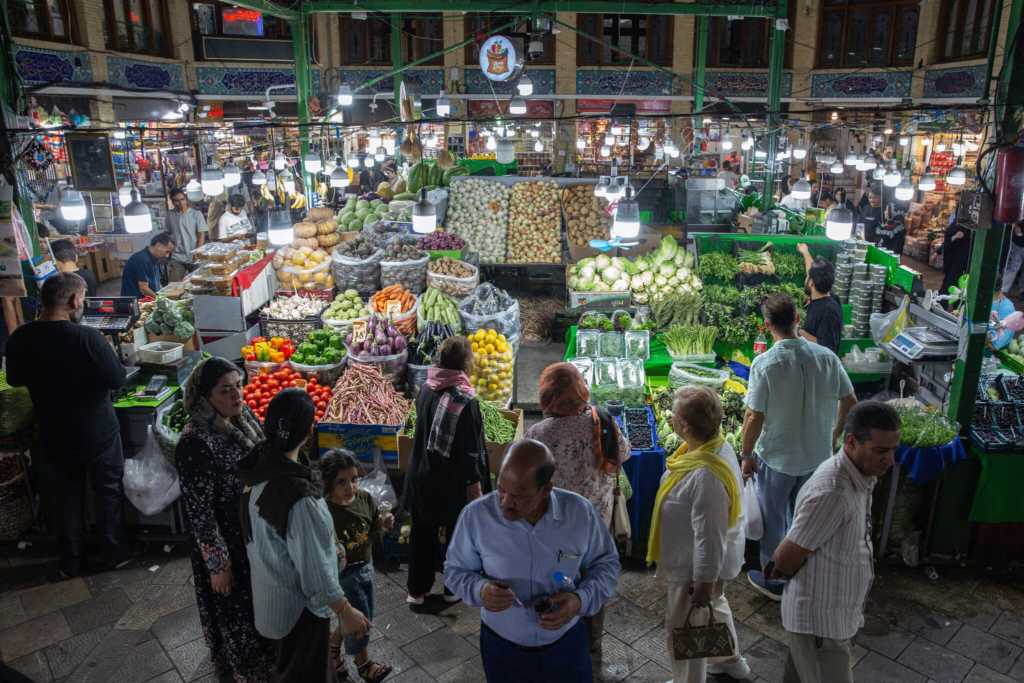
The Iranian rial has emerged as one of the clearest indicators of the economic deterioration. The currency has fallen to record lows, sharply reducing the purchasing power of ordinary citizens. As the rial loses value, imported products and essential goods become more expensive, putting additional pressure on households already struggling with higher living costs.
Inflation has become another major concern. Recent reports have indicated that annual inflation has approached extremely high levels, while food prices have increased at an even faster pace. For many families, the rising cost of basic necessities has meant reducing spending, changing purchasing habits and relying increasingly on savings.
Businesses are also facing difficult conditions. Higher costs, weaker consumer demand and uncertainty surrounding future trade have complicated operations across parts of the economy. Companies dependent on imported materials or foreign currency are particularly vulnerable to fluctuations in the rial.
Iran’s energy sector remains at the center of the country’s financial difficulties. Oil exports are a crucial source of revenue for Tehran, but international sanctions and restrictions connected to the conflict have limited the government’s ability to sell crude and bring in much-needed foreign currency.
The economic situation has also created divisions over how the crisis should be addressed. Some Iranian officials have emphasized the role of foreign sanctions and international pressure, while others have pointed to domestic economic policies and management. The continuing fall of the rial and rising prices have made those debates increasingly significant.
The wider regional confrontation is adding another layer of uncertainty. The Strait of Hormuz, a vital route for global energy shipments, remains closely connected to the dispute. Iran has indicated that the waterway will not fully reopen until certain conditions are met, keeping international attention focused on the potential impact on energy markets and global trade.
Developments surrounding the strait have also affected oil prices. International markets remain sensitive to any threat to Middle Eastern energy supplies, although additional production from other exporters and the release of emergency reserves have helped reduce some concerns about shortages.
For Iranian households, however, the economic consequences are much more immediate. Falling purchasing power and higher prices have made everyday expenses increasingly difficult to manage. Food, housing and other essential costs are consuming a larger share of household budgets, while uncertainty over future prices is making financial planning harder.
Rezaei’s remarks are particularly significant because he is one of Iran’s senior security officials rather than an economic policymaker. His warning indicates that economic instability has become an issue extending beyond financial policy and into the country’s broader national-security concerns.
Iranian authorities now face the challenge of attempting to stabilize the domestic economy while simultaneously dealing with international pressure and regional tensions. Restoring confidence in the rial, limiting inflation and securing reliable sources of revenue will be crucial if Tehran is to prevent the current difficulties from becoming even more severe.
The coming weeks could therefore prove important for Iran’s economic outlook. Any progress on sanctions, oil exports, diplomatic negotiations or regional security could influence the country’s financial situation. Until then, the government remains under growing pressure to contain the economic damage and protect a population already facing rapidly rising costs.
You can watch the video below