Operation asi drug trafficking amasung illegal arms movement control touba gi maramda pangthokpani. Manipur amasung Assam-gi strategic location amasung international border-gi proximity maramna security agencies-na narcotics trafficking gi against da regular operations toure.
Authorities-na seized items-gi source amasung network gi maramda investigation makha tana toure. Arrest toukhiba mi singgi maramda-su investigation matungda further legal action lougani.
Bruce Campbell is speaking openly about the reality of living with cancer after revealing that doctors have given him a prognosis of approximately five years. The Evil Dead star, however, says he is determined not to allow the diagnosis to become a countdown or overshadow the life he still wants to lead.
Campbell discussed his health during a recent appearance on The Adam Carolla Show, where he was asked about the cancer diagnosis he first made public earlier this year. According to Campbell, his current prognosis has been described as a “five-year deal.” When host Adam Carolla clarified whether that meant he had roughly five years to live, Campbell responded, “Give or take.”
The latest disclosure provides a clearer picture of Campbell’s situation than his initial announcement in March. At that time, the actor revealed that he had been diagnosed with a form of cancer that was treatable but not curable. He did not publicly identify the specific type of cancer and said he did not intend to provide extensive medical details.
Campbell also indicated that his illness has affected him mentally as much as, or perhaps more than, physically. Speaking about the experience, he described cancer as something that can create a series of complications requiring constant attention. Rather than becoming consumed by researching the disease or focusing on worst-case scenarios, he said he has chosen to approach his circumstances differently.
“I’ve decided pretty specifically though to live with it, not die from it,” Campbell said during the podcast appearance.
That outlook has become a central part of the actor’s approach to his diagnosis. Campbell has acknowledged that receiving a serious prognosis can change a person’s perspective, but he does not want cancer to determine how he spends his remaining time.
Earlier in the year, Campbell had already begun scaling back some professional commitments so he could concentrate on treatment. His decision affected appearances and fan conventions, areas that have played an important role in his relationship with audiences throughout his career.
Despite those changes, the actor has continued working on creative projects. He is currently promoting Ernie & Emma, a film he wrote, directed, produced and stars in. The project is also taking him on an 18-city screening tour, giving him an opportunity to remain professionally active while sharing the movie with audiences.
Campbell’s career has made him particularly familiar to horror and genre fans. He became widely recognized for playing Ash Williams in Sam Raimi’s The Evil Dead, a role he later reprised in Evil Dead II, Army of Darkness and the television series Ash vs. Evil Dead. He has also appeared in projects outside the franchise, including the television series Burn Notice and Raimi’s Spider-Man films.
His latest comments have generated renewed attention because they reveal the seriousness of his current prognosis, but Campbell has continued to emphasize the importance of living in the present rather than constantly thinking about the future.
He has also spoken about gaining a stronger appreciation for everyday life since receiving his diagnosis. In a conversation with TheWrap, Campbell described a newfound sense of appreciation and gratitude, suggesting that the experience has changed the way he looks at the present.
Campbell’s five-year estimate should not be interpreted as a precise prediction of his lifespan. The actor has not publicly disclosed the specific cancer involved, its stage or the medical factors behind the prognosis. His comments represent the outlook he says has been given to him by his doctors.
For now, Campbell appears focused on continuing his treatment while maintaining his work and personal priorities. Rather than allowing the diagnosis to define his identity, he has chosen to keep moving forward and make use of the opportunities available to him.
His latest message reflects a combination of realism and determination. While acknowledging the uncertainty surrounding his future, Campbell is making clear that he intends to spend that future living rather than simply waiting for the disease to determine what happens next.
New Delhi, September 5, 2026: India amasung China na prolonged border dispute gi maramda Corps Commander-level military talks makha tana pangthokpa gi preparation toure. Development asi National Security Adviser Ajit Doval amasung Chinese Foreign Minister Wang Yi-gi recent high-level meeting matungda thoklakpa ni.
Talks-gi main aim asi Line of Actual Control (LAC)-da tension reduce touba, peace maintain touba amasung remaining differences singbu dialogue gi matungda settle touba ni. Eastern Ladakh-da previous military standoff sing matungda two countries na confidence building measures amasung disengagement gi maramda discussion toukhi.
India-na border areas-da peace amasung stability maintain touba asi bilateral relations improve touba gi important condition ama oina yengsinre. China ga military dialogue makha tana chatpa asi diplomatic efforts-gi saruk ama oigani.
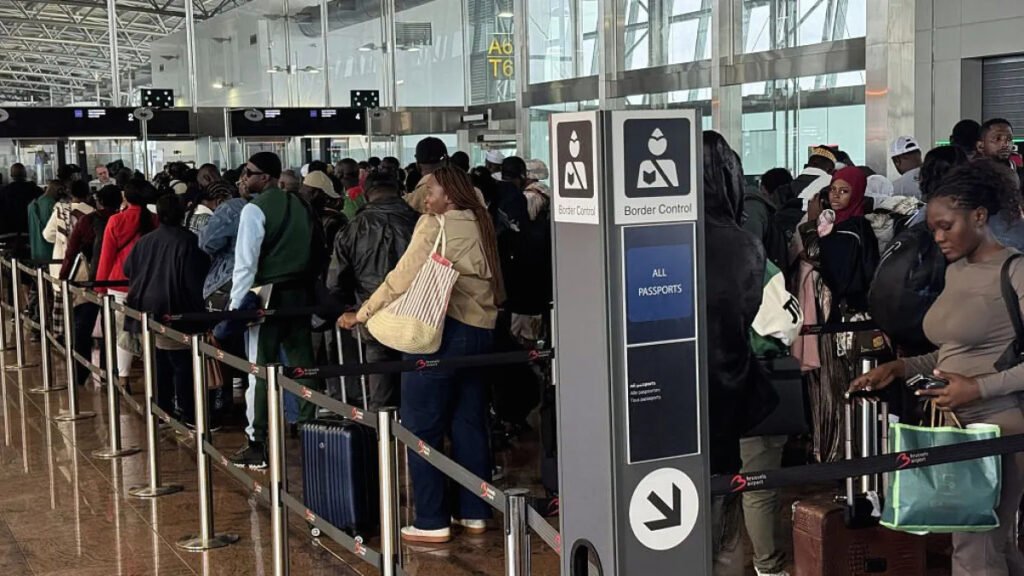
European airports are facing fresh concerns over lengthy border-control queues as the European Union’s Entry/Exit System (EES) moves into a stricter phase. The digital border system is expected to place continued pressure on airports, particularly during busy travel periods when large numbers of passengers arrive at the same time.
The EES is designed to modernize border controls across the Schengen area by replacing traditional passport stamps with a digital registration system. Non-EU travellers visiting for short stays are generally required to have their passport details recorded electronically, along with biometric information such as fingerprints and facial images.
Although the system is intended to improve border security and make passenger processing more efficient over time, its introduction has created challenges for airports and border authorities. The additional procedures can take longer, especially when travellers are completing their biometric registration for the first time.
Airports in popular destinations such as Greece, Spain and France are among those facing particular attention as authorities prepare for periods of increased passenger traffic. Several European airports have already experienced significant congestion during the rollout, with queues becoming especially difficult to manage when technology, staffing and passenger volumes combine to slow processing.
The situation could become more challenging as temporary measures introduced to manage exceptionally long queues are phased out. During earlier stages of the rollout, some countries were able to temporarily ease or suspend biometric checks when border areas became severely congested. Authorities are now expected to have fewer opportunities to use such measures, increasing concerns about how airports will cope during peak periods.
Airlines have also raised concerns about the effect of longer border checks on flight connections. Passengers who spend hours waiting to complete immigration formalities can miss onward flights, potentially creating further disruption across busy European airports.
Recent reports have highlighted the scale of the problem during the summer travel season. Some airports, including destinations such as Corfu and Tenerife, experienced pressure linked to the new border procedures. Airlines and industry representatives have warned that delays at immigration controls can have consequences well beyond the airport terminal, particularly when passengers are travelling on connecting itineraries.
The introduction of EES requires significant coordination between airport operators, border officials and technology providers. Adequate staffing and reliable biometric equipment are considered essential to preventing bottlenecks. Self-service facilities can also help reduce pressure by allowing eligible passengers to complete parts of the registration process before reaching a border-control officer.
Travel organizations have consequently called for authorities to ensure that airports are properly equipped before the system is applied without the same level of emergency flexibility. Industry representatives have emphasized the importance of sufficient personnel, functioning equipment and clear procedures for handling large passenger flows.
For travellers, the most important issue is uncertainty over how long border processing may take. While reports of potential five-hour queues have raised alarm, such delays are not expected to occur at every airport or on every day. The length of a wait can depend on passenger numbers, staffing, equipment performance and the time required to register new travellers.
Passengers heading to Europe are therefore being encouraged to allow additional time for immigration procedures, particularly if they are travelling through major airports or have a connecting flight. Tight connections could carry greater risks while airports and border authorities continue adapting to the new system.
European officials maintain that EES is ultimately intended to create a more secure and streamlined system for managing travel across the Schengen external border. Once the initial transition is complete, authorities expect digital records and biometric identification to make border management more consistent.
The immediate challenge, however, is ensuring that the transition does not create excessive disruption. As stricter EES procedures take effect, airports across Europe will be closely monitored to see whether they can handle heavy passenger volumes without a return to the lengthy queues seen during earlier stages of implementation.
For travellers, the message is straightforward: the new system is becoming an increasingly important part of European border checks, and allowing extra time at the airport could help reduce the risk of missed connections and unexpected delays.
Kangpokpi, September 5, 2026: Manipur Chief Minister Yumnam Khemchand Singh-na Kangpokpi district-gi L. Champhai village-da visit toure. Visit asi village-gi water supply project inspect touba amasung main water infrastructure repair touba gi progress yengba gi maramda ni.
Public-na clean drinking water phangba ngamnanaba government-na water supply infrastructure improve touba asi important oigani. Officials-na project-gi current condition amasung repair work-gi progress CM-da report toure.
CM-na development work sing timely oina complete touba amasung local people singbu basic facilities piba gi maramda officials-singda direction pikhre.
A fresh spell of intense heat across Europe is putting the region’s early-September weather back in the spotlight, with temperatures in parts of the south expected to approach or exceed 40°C. The surge has also prompted renewed questions about whether Britain could experience another period of unusually warm weather before autumn takes hold.
Southern Europe is bearing the brunt of the latest heat, as hot air moving north from Africa combines with a strong area of high pressure. Parts of Spain, France and Italy are among the locations facing particularly high temperatures, while areas around the Mediterranean are also expected to experience very warm conditions.
The European heat comes shortly after an exceptional summer in Britain. The UK recorded its warmest summer on record, according to provisional Met Office figures, which placed the average temperature for June, July and August at 16.5°C.
That record has naturally led to speculation about whether the UK could be heading toward another heatwave. However, forecasters have warned that a warmer spell should not automatically be interpreted as a prolonged heatwave.
The UK’s September weather is expected to remain variable. Southern and eastern parts of the country could experience periods of above-average temperatures and relatively dry conditions, while northern and western areas face a greater possibility of rain and unsettled weather.
A few particularly warm days are possible, but predicting a sustained period of extreme heat remains difficult. Weather patterns can change significantly over several days, and confidence in detailed forecasts decreases as the outlook moves further into the month.
For a spell to officially qualify as a heatwave, temperatures must reach the relevant regional threshold for at least three consecutive days. Those thresholds differ across the UK because of regional variations in typical climate conditions.
This means that even if temperatures climb noticeably in parts of England and Wales, the conditions may not necessarily meet the technical definition of a heatwave.
The contrast with continental Europe is likely to remain significant. While Britain could experience some warmer conditions, southern European countries are dealing with a much more intense heat event. The combination of high pressure and hot air from North Africa is creating the potential for temperatures close to 40°C or higher in some locations.
The latest European heat also follows a summer in which extreme temperatures were recorded across several countries. Climate scientists have increasingly linked the growing frequency and intensity of such events to human-driven climate change.
Britain has experienced its own share of extreme weather this year. The country’s record-breaking summer included several heatwaves and unusually dry conditions, placing pressure on water resources and increasing concerns about drought in some areas.
The Met Office has also indicated that human-caused climate change substantially increased the likelihood of the exceptional average temperatures recorded during the UK’s summer.
As September progresses, Britain’s weather is expected to alternate between warmer and more unsettled periods. Later in the month, there could be opportunities for more settled weather, but it is too early to say whether that would develop into another significant heat event.
For the moment, there is no firm indication that the UK will experience a prolonged heatwave comparable with the intense conditions affecting southern Europe. Temperatures may rise above seasonal averages in some areas, particularly across the south and east, but cooler and wetter conditions could also return quickly.
The latest European heat surge nevertheless demonstrates how quickly summer-like conditions can return even as autumn approaches. With southern Europe facing temperatures near 40°C, forecasters and the public in Britain will be watching closely to see how the broader weather pattern develops.
For UK residents, the message remains one of uncertainty rather than alarm. A warm September spell is certainly possible, but whether Britain sees another official heatwave will depend on how persistent the high-pressure pattern becomes and how far the continental heat is able to extend northward.
Liverpool finally secured their first Premier League victory under Andoni Iraola after Alexander Isak delivered a decisive early double in a 2–0 win over Ipswich Town at Portman Road.
The Swedish striker needed just nine minutes to make his mark, scoring twice in quick succession and giving Liverpool a comfortable advantage before Ipswich could establish any rhythm. Cody Gakpo played a key role in both goals, providing the assists that allowed Isak to punish the home defence.
The victory gave Iraola a much-needed breakthrough after Liverpool began his tenure with consecutive 2–2 league draws against Newcastle United and Nottingham Forest. The result also offered an early sign that the team is beginning to adapt to the manager’s approach.
Liverpool opened the scoring after only six minutes. Gakpo picked out Isak inside the area, and the forward reacted quickly to send a powerful shot toward goal. Ipswich goalkeeper Kjell Scherpen got a hand to the effort but was unable to keep it out.
The visitors struck again moments later. Gakpo once more found Isak, this time with a well-weighted pass into space behind the Ipswich back line. Isak stayed composed, controlled the ball and finished confidently to complete his rapid brace.
The two goals also marked an encouraging turnaround for Isak following a difficult first season at Anfield. Fitness problems limited his involvement last campaign, but the forward has started the new season in considerably stronger form. His double against Ipswich took his league tally to three goals from Liverpool’s opening three matches.
While the goals attracted most of the attention, Iraola will also have been pleased with Liverpool’s defensive display. Having conceded four goals in each of their opening league games, the visitors produced a controlled performance at the back and finished the night with a clean sheet.
Ipswich attempted to respond after the early setback but struggled to create enough clear opportunities. Liverpool remained the more threatening side and continued to find openings as the match progressed.
Isak even appeared to have completed a hat-trick after the interval when he converted a cross from Florian Wirtz. However, the goal was ruled out for offside, denying him the chance to leave the pitch with three goals.
Ipswich goalkeeper Scherpen was also called upon several times as Liverpool looked for a third. His saves helped keep the scoreline respectable and prevented the visitors from turning their early advantage into a heavier defeat.
Another notable moment came when Bradley Barcola made his Liverpool debut. The forward arrived from Paris Saint-Germain in a major transfer and was introduced during the second half, giving Iraola another attacking option as he continues to shape his squad.
Liverpool ultimately did not need another goal. Their early advantage proved sufficient, with the team managing the remainder of the contest professionally to secure all three points.
For Ipswich, the defeat represented another difficult evening after their return to the Premier League. The hosts were unable to recover from their disastrous opening spell and were left chasing the game for much of the contest.
The result moves Liverpool onto five points from their first three league fixtures and provides Iraola with his first win since taking charge. More importantly, the performance combined attacking efficiency with defensive discipline—two areas the manager will hope can become consistent features of his Liverpool side.
For Isak, meanwhile, the evening could prove especially significant. After an injury-affected campaign, his lightning-fast double has provided a timely reminder of his finishing ability and given Liverpool supporters renewed confidence in what he can contribute this season.
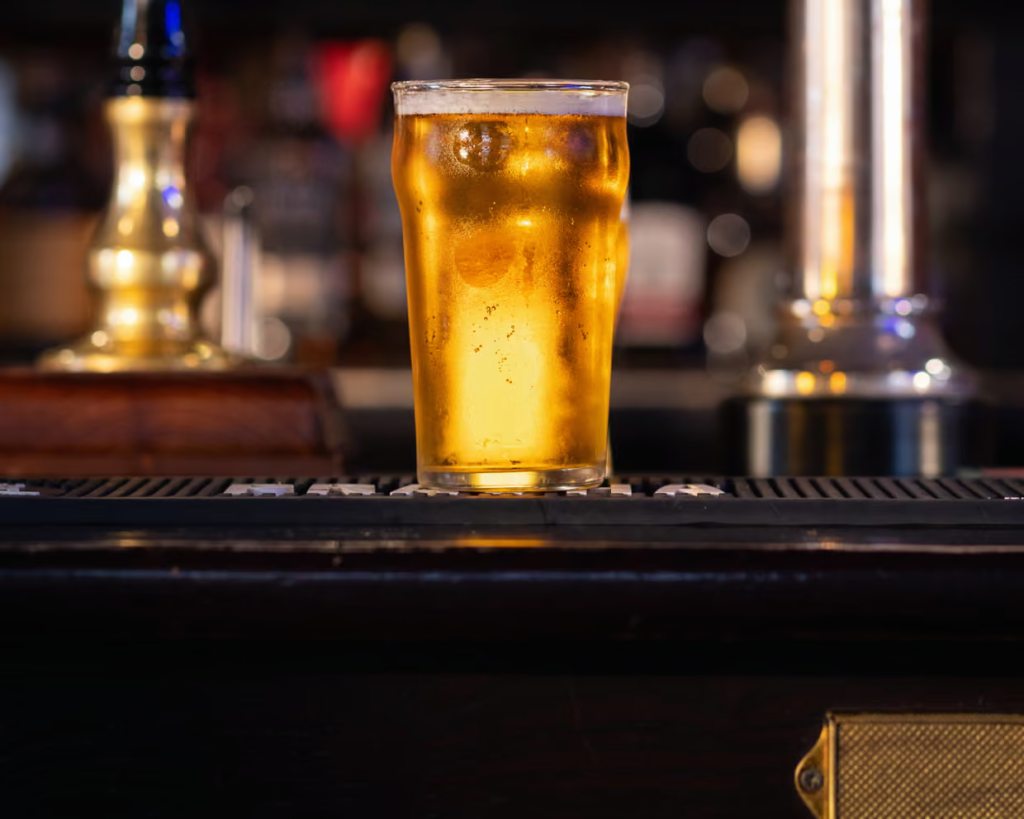
Cancer deaths associated with alcohol consumption have increased dramatically in the United States over the past three decades, according to new research that highlights the growing impact of drinking on public health.
A study led by researchers at the Sylvester Comprehensive Cancer Center at the University of Miami found that annual alcohol-attributable cancer deaths in the country climbed from 11,361 in 1990 to 23,126 in 2023. The analysis examined more than 30 years of data from the Global Burden of Disease study and was published in The Lancet Regional Health – Americas.
The findings indicate that alcohol’s contribution to cancer mortality extends well beyond liver disease. Researchers identified links between alcohol consumption and several cancers, including those affecting the breast, colorectum, esophagus, pancreas, prostate, stomach, liver, and head and neck.
Men and adults aged 55 and older experienced the greatest overall burden, although increases were reported across most age groups, cancer categories and regions. Researchers said the results demonstrate that alcohol-associated cancer is not confined to one demographic or a single type of disease.
The pattern varied between men and women. Among men aged 55 and older, liver cancer represented the largest alcohol-attributable cancer mortality burden, followed by esophageal and colorectal cancers. Breast cancer was the leading alcohol-related cancer cause of death among older women.
Younger adults also showed concerning patterns. For men between 20 and 54, colorectal cancer was the leading alcohol-attributable cause of cancer death. Among women in the same age range, breast cancer ranked first, followed by colorectal cancer.
The researchers emphasized that alcohol is a recognized carcinogen. The International Agency for Research on Cancer classifies alcohol as a Group 1 carcinogen, a category used for substances with established evidence of causing cancer in humans. Alcohol’s cancer risks are therefore not limited to the consequences of heavy or prolonged drinking.
The latest findings come amid growing attention to the amount of alcohol that may contribute to cancer risk. Federal health authorities have previously estimated that alcohol is responsible for tens of thousands of cancer cases and deaths in the United States each year. The U.S. Surgeon General has also identified alcohol consumption as an important preventable cancer risk factor.
Researchers say the connection remains poorly understood by many members of the public. Alcohol is often discussed in relation to liver damage, but its potential role in breast, colorectal, esophageal, pancreatic and other cancers receives considerably less attention.
The study’s authors argue that greater awareness could help people make more informed decisions about alcohol consumption. Because drinking is a potentially modifiable risk factor, reducing alcohol intake may form part of broader efforts to lower cancer risk.
The researchers also noted significant geographic differences across the United States, indicating that alcohol-attributable cancer mortality does not affect every area equally. Nevertheless, the national increase provides a broader warning about the changing scale of alcohol-associated cancer mortality.
The rise from 11,361 alcohol-attributable cancer deaths in 1990 to more than 23,000 in 2023 represents a substantial increase over a single generation. While overall cancer mortality trends can be influenced by many factors, researchers say the findings underscore the importance of recognizing alcohol as part of the cancer-prevention conversation.
As awareness of lifestyle-related cancer risks continues to grow, the study adds to evidence that alcohol should be considered alongside other established and potentially preventable contributors to cancer.
Thoubal, September 5, 2026: Manipur Legislative Assembly gi Congress Legislature Party (CLP) leader Keisham Meghachandra Singh gi Thoubal district, Yairipok Bishnunaha-gi yum mapanda hand grenade ama blast toure. Incident asi September 4-gi night-da thokkhi. Police-na incident-gi maram amasung attack toukhiba mi singbu identify touba gi investigation houjik makha tana toure.
Blast asi political leader-gi residence mapanda thokpa maramna state gi security situation gi maramda concern ama puthokle. Authorities-na incident-gi responsible oiba mi singbu arrest touba amasung future incidents thokhanadaba gi maramda security measures strong touri.