
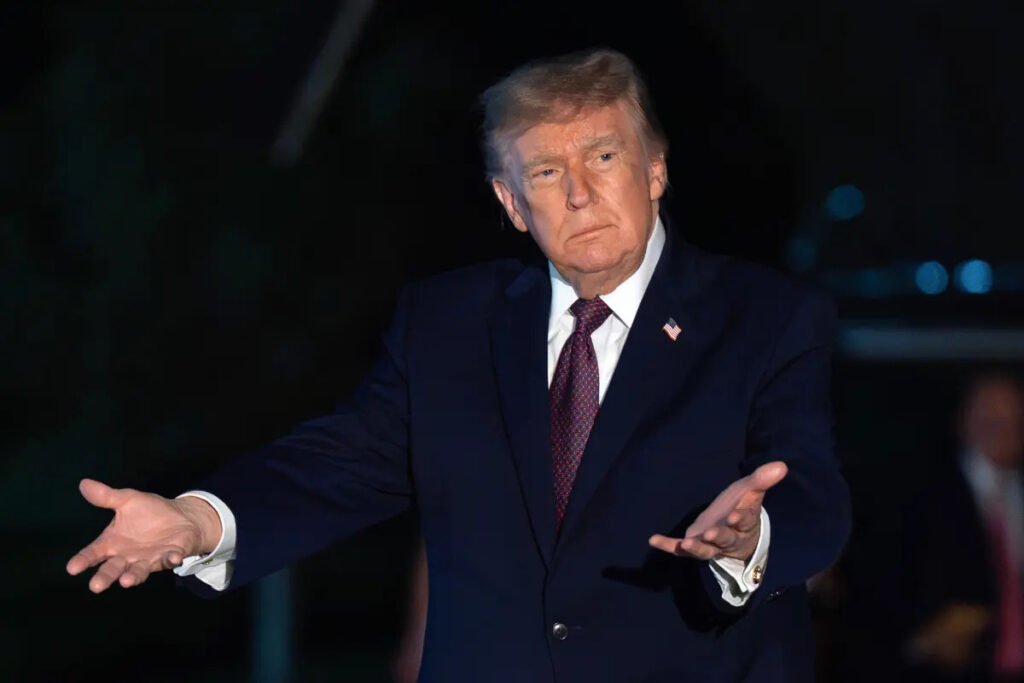
More than 20 million Medicare beneficiaries are expected to receive a one-time $90 payment under a new initiative announced by President Donald Trump, with the administration describing the measure as financial assistance for seniors facing Medicare Part B costs.
The payments are expected to begin reaching eligible recipients in early October. Beneficiaries who have direct-deposit information available are expected to receive the money electronically, while others will receive a paper check at the address recorded with Medicare.
The White House says the money will come from the Medicare Improvement Fund, which was created to support improvements within Medicare’s fee-for-service system. Congress previously provided $2 billion for the fund, and the administration says the latest decision will allow part of that money to be distributed directly to qualifying beneficiaries. “White House fact sheet” (https://reference-url-citation.invalid/0)
The announcement does not represent a permanent reduction in Medicare premiums. Instead, the $90 is a one-time payment intended to provide temporary financial relief to eligible people enrolled in Medicare Part B.
Part B generally helps cover outpatient medical services, physician services, preventive care and other healthcare costs. For 2026, the standard monthly Part B premium is $202.90. As a result, the announced payment would amount to less than half of a standard monthly premium for beneficiaries who pay the full amount.
Eligibility is not universal. The administration says people whose Part B premiums are already being paid by Medicaid will not qualify. Beneficiaries who are subject to the Income-Related Monthly Adjustment Amount, commonly known as IRMAA, are also excluded from the payment.
For those who qualify, there is reportedly no separate application process. Payments are expected to be distributed using information already available through Medicare and Social Security systems. Beneficiaries can contact Medicare for questions concerning their eligibility and the Social Security Administration for information about their payment status.
The announcement arrives at a time when healthcare affordability remains an important issue for older Americans. Even a relatively modest payment can provide some short-term assistance for beneficiaries managing premiums alongside prescription costs, medical appointments and other household expenses.
The move has also become part of a wider political debate. The announcement came shortly before the November 3 midterm elections, prompting questions from Democratic lawmakers and critics about the timing of the payments and the use of federal funds.
Trump and his administration have presented the measure as an effort to provide direct financial assistance to seniors. Critics, however, have questioned whether the payment should be viewed as a broader healthcare policy change, emphasizing that it does not permanently lower Medicare premiums.
The distinction is important for beneficiaries. The $90 payment is not an ongoing monthly benefit, nor does it alter the standard Part B premium structure. Once the one-time payment has been distributed, Medicare recipients will continue to face the regular premium requirements applicable to their individual circumstances.
The administration is also promoting other proposals aimed at reducing financial pressure on Americans. Some of those plans would require additional congressional action, meaning they should not be confused with the Medicare payment that has already been announced.
For eligible seniors, the immediate issue is therefore straightforward: watch for the payment to arrive in a bank account or through the mail. Most qualifying beneficiaries are expected to receive the $90 in early October.
The initiative could provide a small but immediate financial boost to millions of Medicare recipients. However, because it is a single payment rather than a lasting premium reduction, its effect on beneficiaries’ overall healthcare expenses will be limited.
The announcement nevertheless places Medicare costs back at the center of the national conversation, particularly as policymakers debate how to address rising healthcare expenses for older Americans. For the millions who qualify, the $90 payment represents short-term assistance, while the larger questions surrounding Medicare affordability remain unresolved.
You can watch the video below