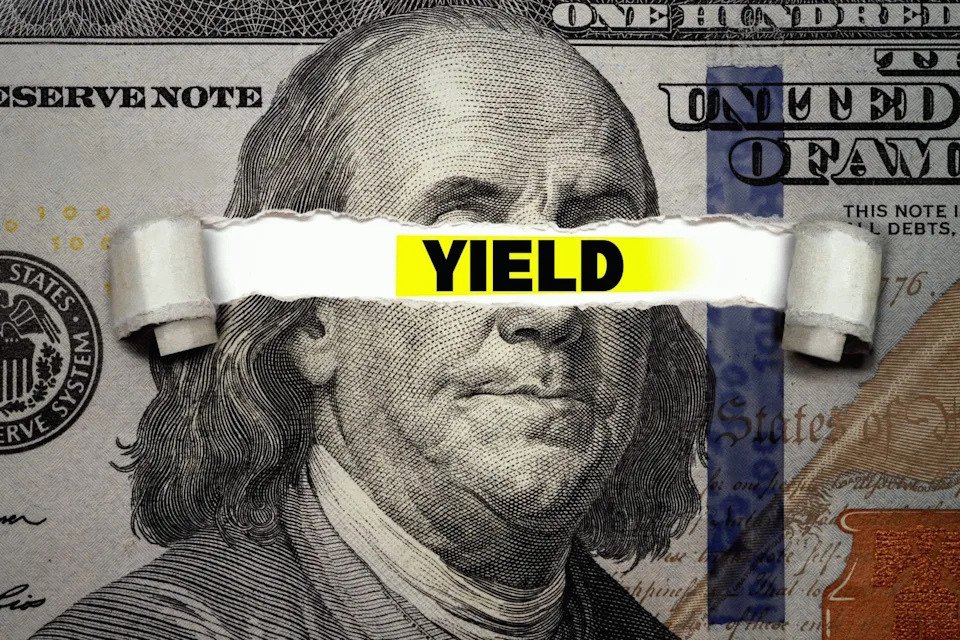
High dividend yields can be appealing to investors looking for dependable income, but they can also come with considerable risks. A number of high-yield stocks are now attracting attention amid questions about whether their current shareholder payouts can be maintained.
For income investors, the headline yield is only one part of the equation. A stock offering an unusually large dividend may appear attractive at first glance, yet a combination of weaker earnings, declining cash flow, heavy debt or challenging industry conditions can make that payout increasingly difficult to sustain.
The possibility of a dividend reduction is particularly important for investors who depend on regular distributions. A cut would directly reduce the income generated by an investment and could also undermine market confidence in the company. In some cases, concerns about a potential reduction can place additional pressure on the stock before any official decision is announced.
One of the most useful indicators of dividend sustainability is the payout ratio. This figure shows how much of a company’s earnings are being returned to shareholders through dividends. When the ratio becomes exceptionally high, the company has less earnings capacity available to withstand a downturn while continuing to maintain its existing distribution.
However, the payout ratio should not be viewed on its own. Different industries have different capital requirements and approaches to shareholder returns. Investors may therefore need to examine a company’s financial position alongside its payout ratio before reaching a conclusion about the safety of its dividend.
Free cash flow is another critical consideration. Strong reported earnings do not necessarily guarantee that a business has enough cash available to fund dividends. If operating cash generation weakens for an extended period, management may eventually have to reconsider how much money is being returned to shareholders.
Debt can add another layer of pressure. Companies with significant borrowing obligations may have to devote more of their cash to interest payments or debt repayment when financial conditions become less favorable. This can leave fewer resources available for dividends, expansion and other corporate priorities.
The economic environment surrounding a company also matters. Businesses operating in cyclical sectors can see profits fluctuate significantly as demand, prices and broader economic conditions change. A dividend that looks comfortable during a period of strong profitability may become harder to support when revenues or margins decline.
That does not mean every high-yield stock is necessarily heading toward a dividend cut. Some companies are capable of supporting large distributions because of their stable business models and consistent cash generation. The greater concern arises when a high yield is accompanied by deteriorating financial fundamentals.
Investors can look for several warning signs, including falling profits, weakening free cash flow, rising leverage and a history of dividend reductions. Management commentary and recent financial reports can also provide clues about how leadership views future shareholder distributions.
Diversification is another way income investors can manage the potential impact of a payout reduction. Concentrating too much capital in a handful of high-yield companies can make a portfolio more vulnerable if one or more businesses reduce their dividends.
The current concerns surrounding high-yield stocks serve as a reminder that a large dividend should not automatically be interpreted as a safe investment. In some situations, an elevated yield reflects investor concerns about the company’s future rather than a particularly attractive opportunity.
Ultimately, income investors may benefit from prioritizing dividend sustainability over headline yield. A moderately lower payout backed by reliable earnings and healthy cash generation could provide more dependable income over time than an exceptionally high yield that later gets cut.
As investors assess the five high-yield stocks facing scrutiny, examining their earnings, cash flows, debt obligations and dividend histories may offer a clearer picture of the risks. For those building portfolios around long-term income, understanding the strength behind a dividend can be just as important as the size of the yield itself.