The US Department of the Treasury has raised concerns about billions of dollars in potentially questionable international financial transactions conducted through money transfer companies operating across the United States. The findings have prompted renewed attention to possible weaknesses in cross-border payment systems and the risk of financial services being exploited for unlawful purposes.
The concerns were outlined on October 30, 2026, by the Financial Crimes Enforcement Network (FinCEN), a federal agency responsible for identifying suspicious financial activities and protecting the integrity of the American financial system. According to the agency, financial institutions reported more than $8 billion in potentially suspicious wire transfers between 2021 and 2025 involving foreign-directed payments processed through US-based money services businesses.
Federal officials warned that certain international payment arrangements could make it difficult to identify the original sources of funds and determine who ultimately receives the money. These transactions may create opportunities for individuals or organizations seeking to conceal financial activities associated with money laundering, fraud or other illegal operations.
The arrangements reportedly involved foreign business agents instructing American money transfer companies to send payments to third-party recipients overseas. In some instances, banks may have received incomplete information about the individuals involved, the intended beneficiaries or the commercial reasons behind the transactions.
Such arrangements can complicate financial investigations, particularly when money passes through several intermediaries before reaching its final destination. Authorities are concerned that insufficient documentation and unclear payment instructions could prevent institutions from recognizing potentially suspicious activity at an early stage.
In response, FinCEN has encouraged banks and other financial service providers to strengthen their transaction-monitoring systems. Institutions have been advised to examine unusual payment patterns, particularly repeated transfers involving unrelated parties, incomplete financial records and transactions that appear inconsistent with customers’ established business activities.
Other potential warning signs include vague descriptions accompanying international payments, missing invoices and funds being transferred overseas shortly after arriving in the accounts of money services companies. Financial institutions are being encouraged to investigate such circumstances carefully and submit suspicious activity reports when appropriate.
However, the Treasury Department has clarified that the reported $8 billion should not be interpreted as confirmed criminal proceeds or proven financial losses. Suspicious activity reports identify transactions that may require additional scrutiny, but they do not establish that illegal conduct has necessarily taken place.
Alongside the international transfer warning, FinCEN has also drawn attention to the possible misuse of charitable organizations and nonprofit institutions. The agency has encouraged financial institutions to remain alert to unusual fundraising activities, questionable donations and complicated funding arrangements that could conceal improper financial dealings.
Potential concerns include organizations established under the appearance of legitimate charitable work but used to divert donations, fraudulent fundraising campaigns and the unauthorized use of nonprofit funds by individuals in positions of responsibility.
At the same time, officials have emphasized that legitimate charities should not automatically face suspicion simply because they receive international contributions or maintain connections with organizations overseas.
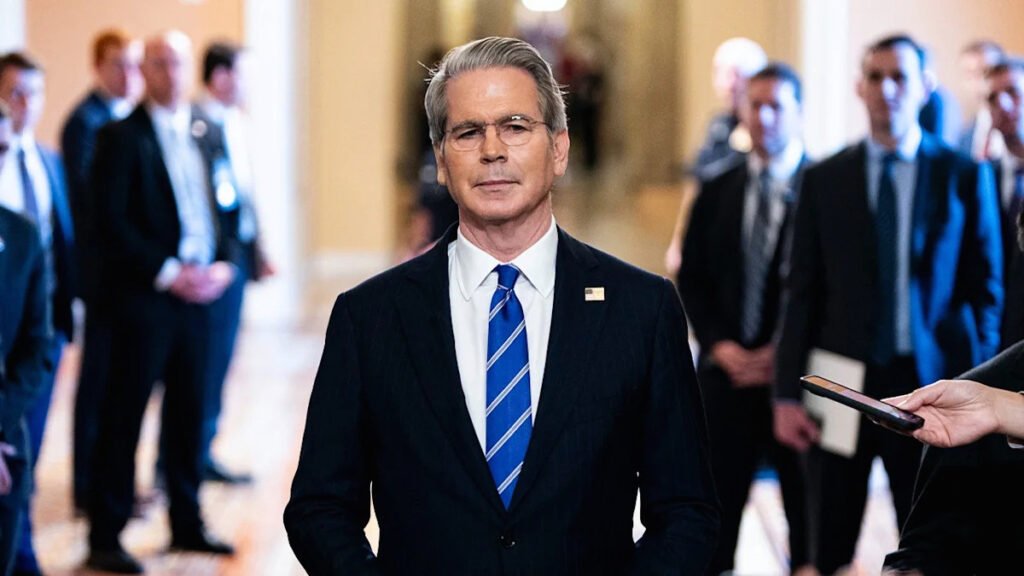
Treasury Secretary Scott Bessent discussed the broader financial enforcement efforts during an appearance in Minnesota alongside FBI Director Kash Patel and other federal officials. Bessent stated that the department had prevented nearly $190 million associated with overseas fraud and returned more than $100 million to American victims through its enforcement activities.
The latest announcements reflect a wider federal effort to improve financial transparency, identify suspicious payment networks and strengthen cooperation between government agencies and private financial institutions.
For banks and money transfer businesses, the guidance highlights the importance of proper customer verification, accurate transaction records and stronger safeguards against potentially unlawful financial activity.
As international payment systems continue to expand, monitoring complex transactions across different countries remains a significant challenge. Federal authorities are seeking to improve oversight and ensure that legitimate financial services cannot easily be exploited to conceal illicit activities.
Further monitoring and investigations will help determine whether the flagged transactions involved criminal conduct and whether additional enforcement measures are necessary.
You can watch the video below